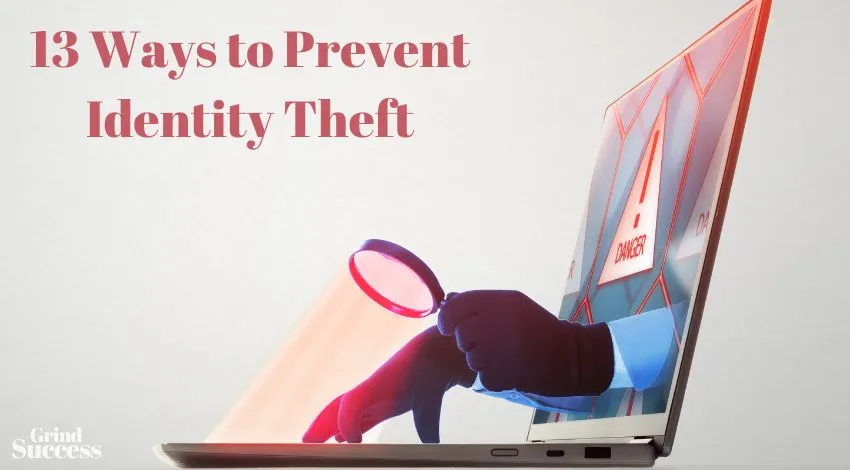
Preventing Identity Theft at Work: A Comprehensive Guide
Identity theft is a growing concern for businesses and employees alike. In today's digital age, sensitive information is easily accessible, making it a goldmine for cybercriminals. Preventing identity theft at work requires vigilance, proactive measures, and the adoption of advanced security solutions.
Key Takeaways
Employees and businesses must take active steps to prevent identity theft at the workplace by safeguarding personal and sensitive company information. On the first day of employment, employees should securely store identity documents and avoid leaving them in easily accessible areas. Smart password use and enabling multi-factor authentication (MFA) are critical to securing work devices and preventing cyber threats.
The Risks of Identity Theft
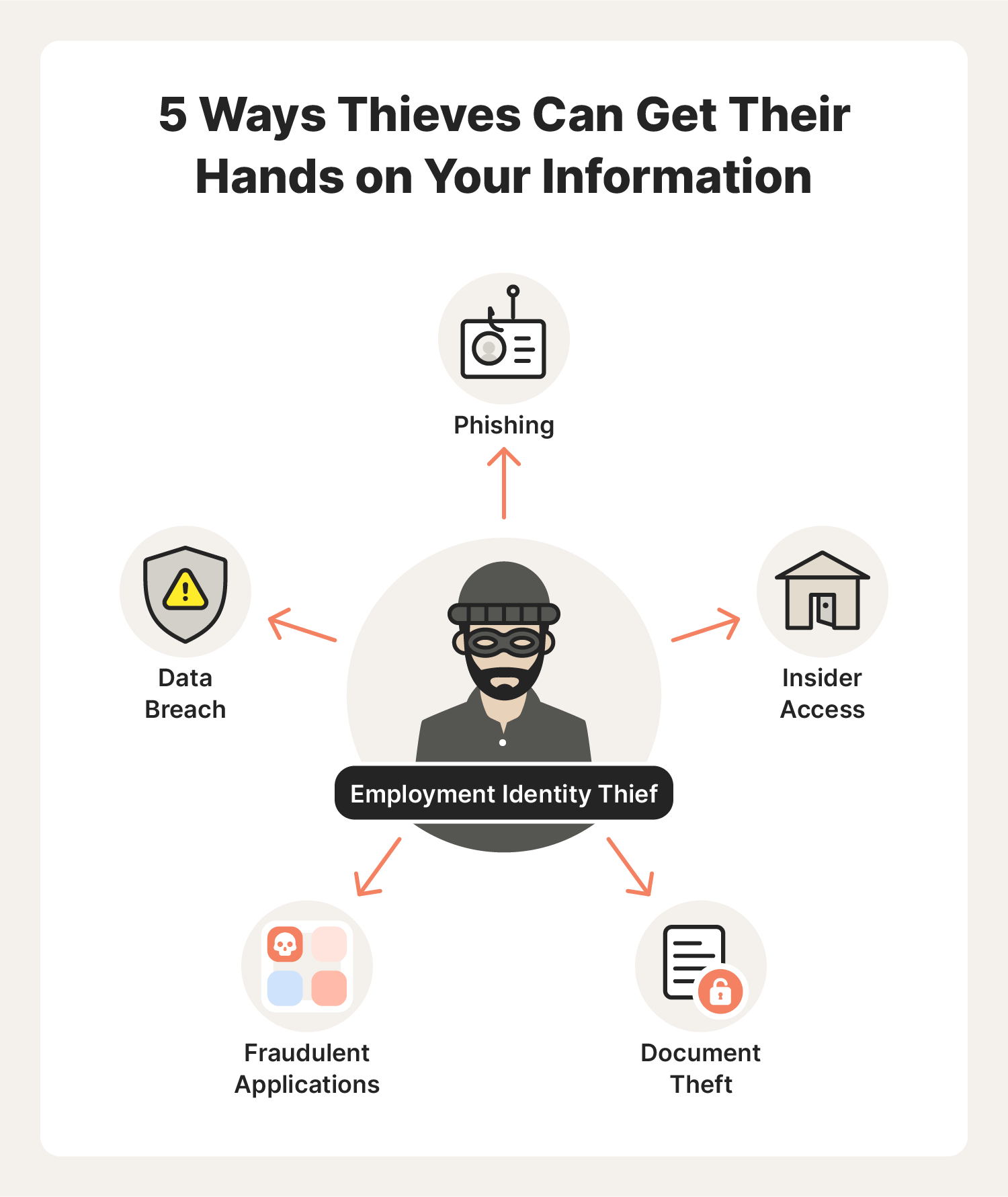
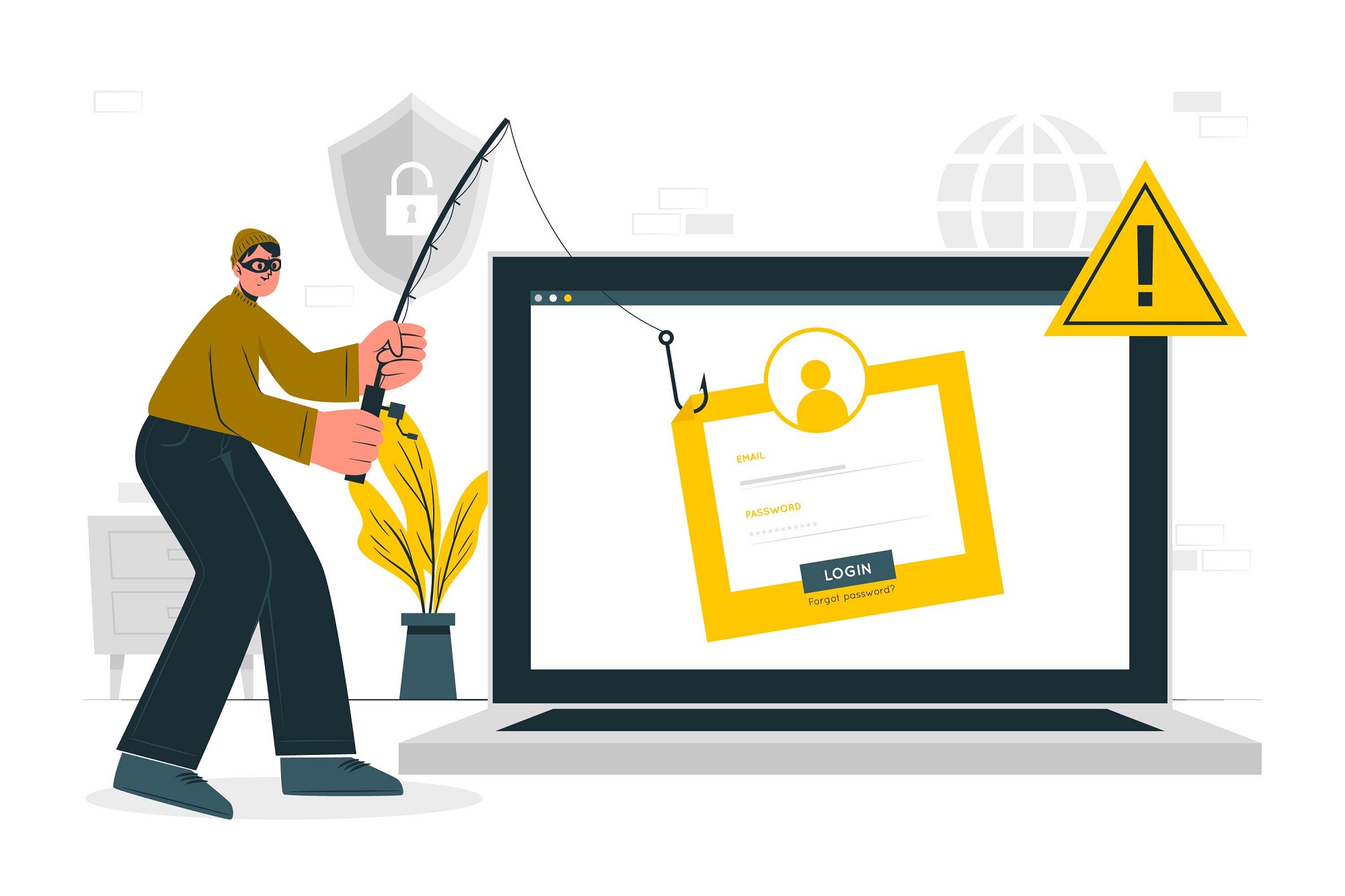
Phishing and social engineering attacks remain one of the top strategies used by cybercriminals. These attacks often target employees by exploiting personal information stolen through identity theft. For example, a cybercriminal who gains access to an employee's compromised email or social accounts can use this information to steal sensitive company data or impersonate the employee.
Phishing attacks exploit personal information stolen through identity theft.
Cybercriminals can use stolen information to steal sensitive company data or impersonate employees.
Employees and businesses must take proactive measures to prevent identity theft at the workplace.
Preventing Identity Theft: Simple Steps
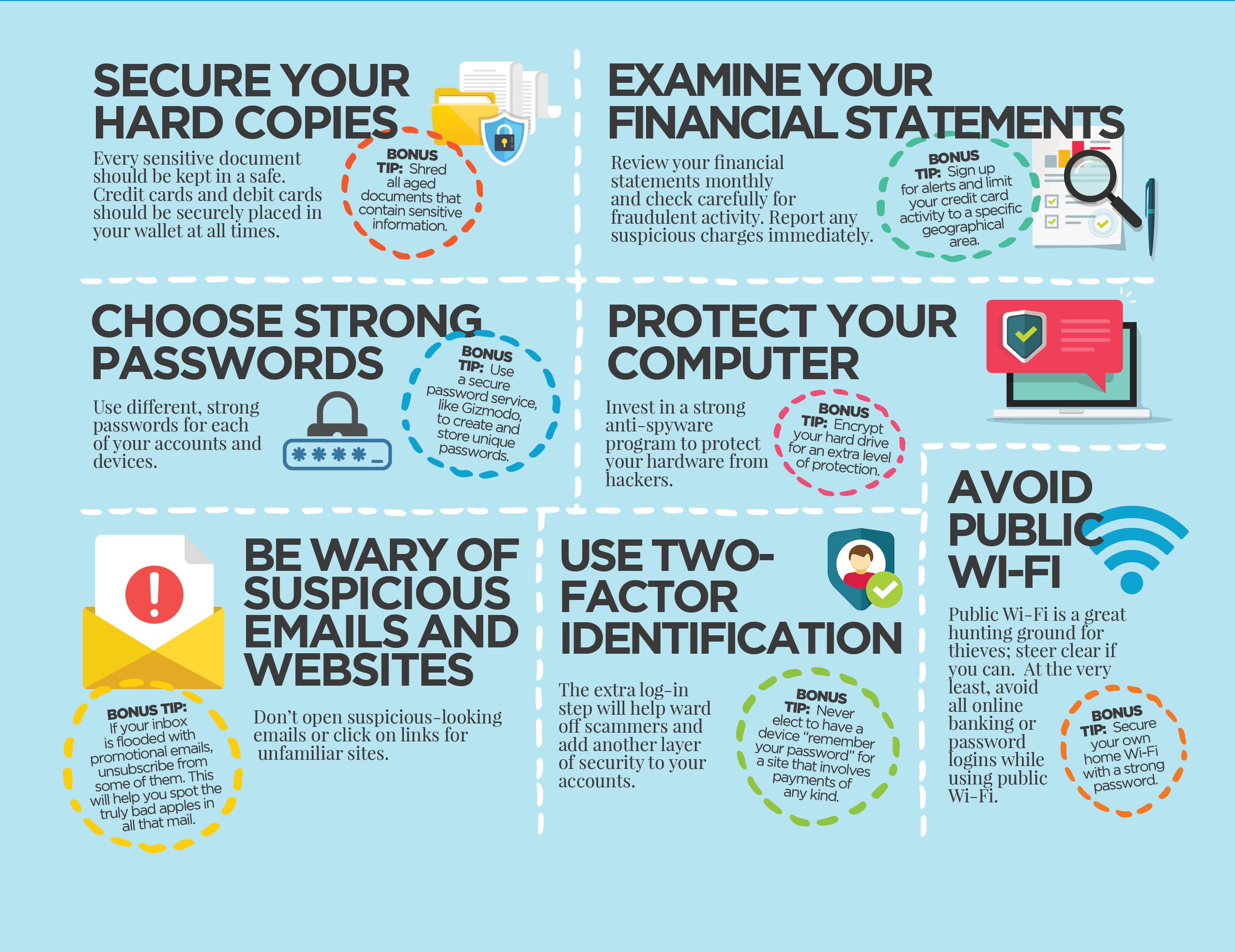
Preventing identity theft requires a combination of vigilance, proactive measures, and the adoption of advanced security solutions. Simple steps can help employees and businesses prevent identity theft, including:
Freezing credit reports to prevent new accounts from being opened in your name.
Monitoring financial accounts and credit reports for suspicious activity.
Storing personal and sensitive company information securely.
Implementing multi-factor authentication (MFA) to secure work devices.
Using strong, unique passwords for all work devices and accounts.

Consequences of Identity Theft
Identity theft can have severe consequences for employees and businesses, including:
Financial losses due to stolen sensitive information.
Damage to employee and business reputation.
Loss of sensitive company data, including trade secrets and intellectual property.
Increased risk of further cyber threats and attacks.
Reporting Identity Theft
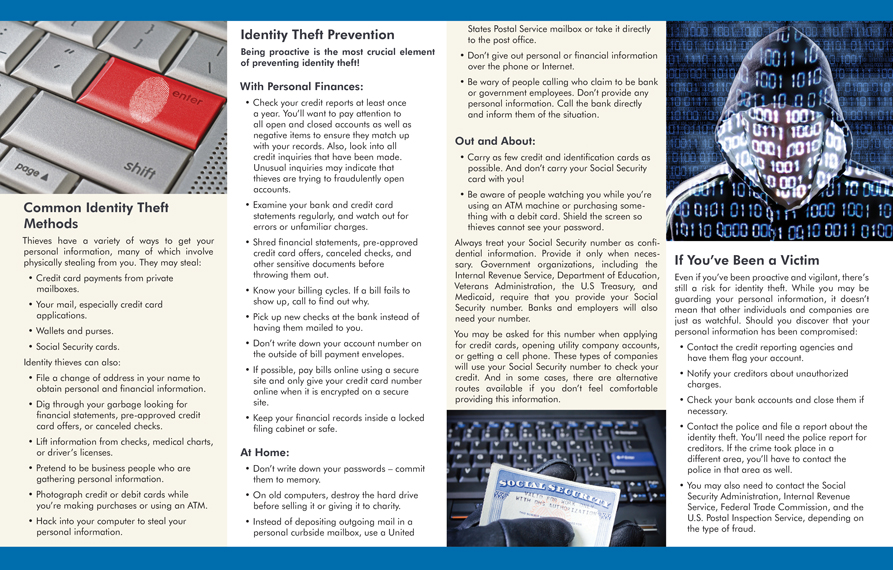
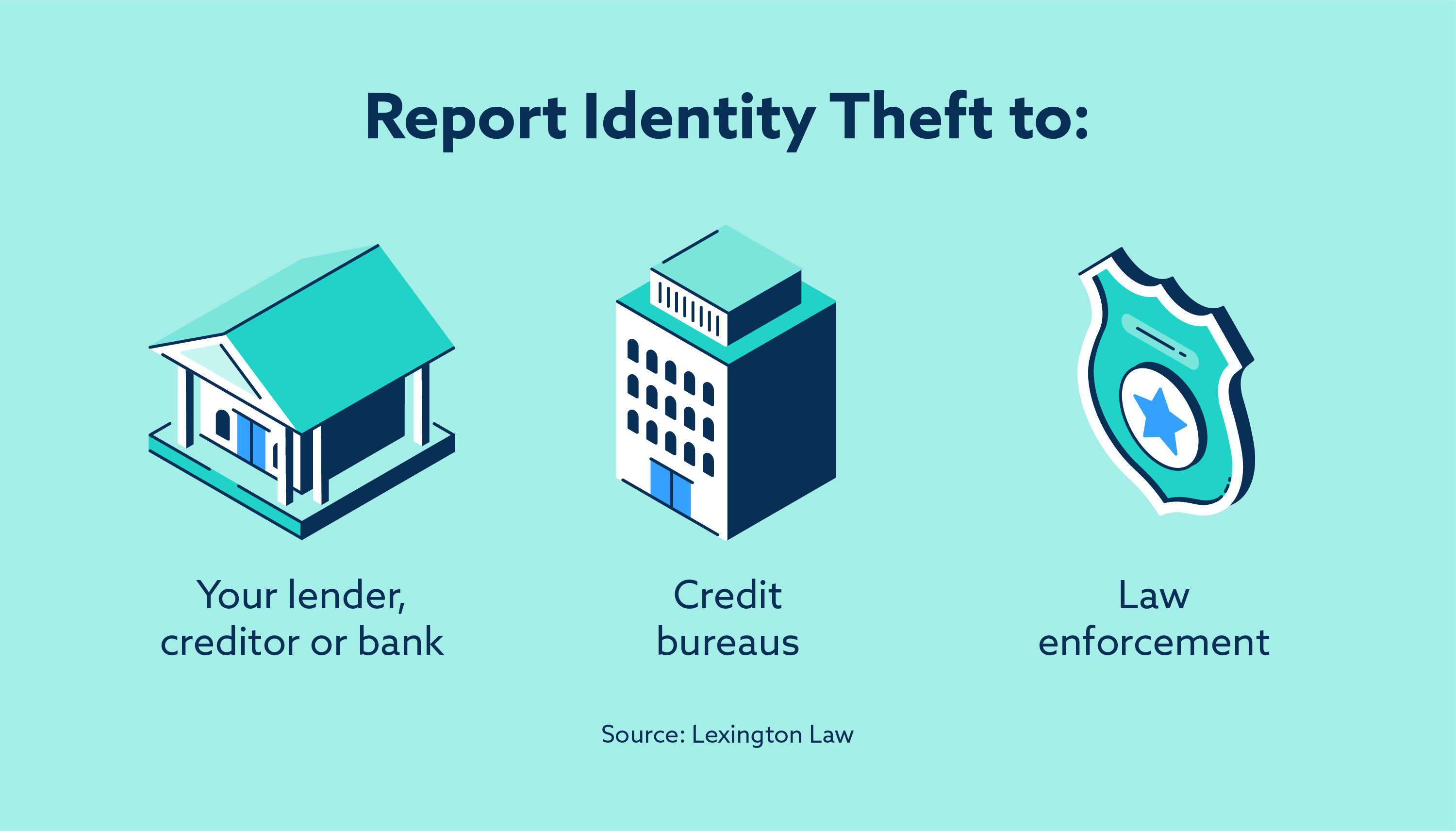
If you believe you are the victim of identity theft or have reason to believe your personal information has been misused, you should contact the Federal Trade Commission (FTC) and/or your state's attorney general office for information on how to report and prevent identity theft.
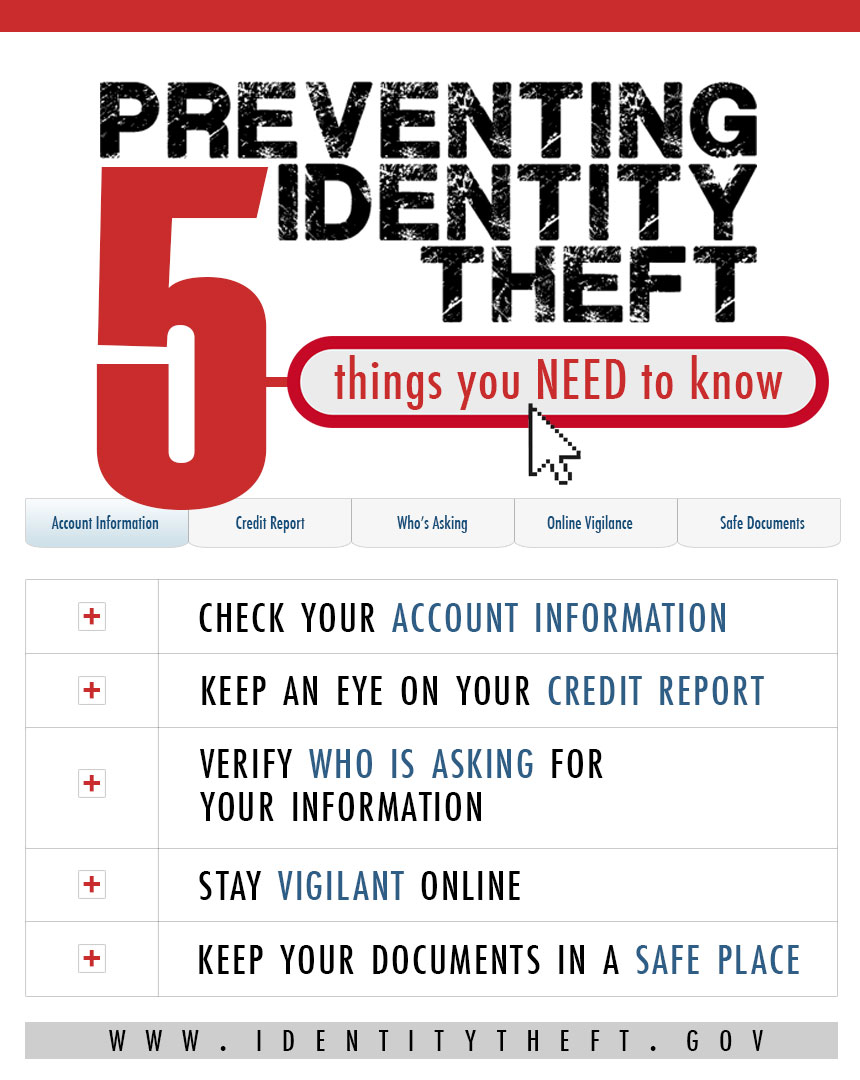
Consumers can report identity theft at IdentityTheft.gov, the federal government's one-stop resource to help people report and recover from identity theft. The site provides step-by-step advice and helpful resources like easy-to-print checklists and sample letters.
Conclusion
Preventing identity theft at work requires a comprehensive approach that involves employees, businesses, and technology. By taking proactive measures to safeguard sensitive information, implementing advanced security solutions, and reporting suspicious activity, employees and businesses can significantly reduce the risk of falling victim to identity theft.
Remember, preventing identity theft at work requires vigilance, proactive measures, and the adoption of advanced security solutions. By following these simple steps and being aware of the risks, employees and businesses can protect themselves and their sensitive information from the threat of identity theft.