Can I Give My Cat Milk? The Truth Revealed
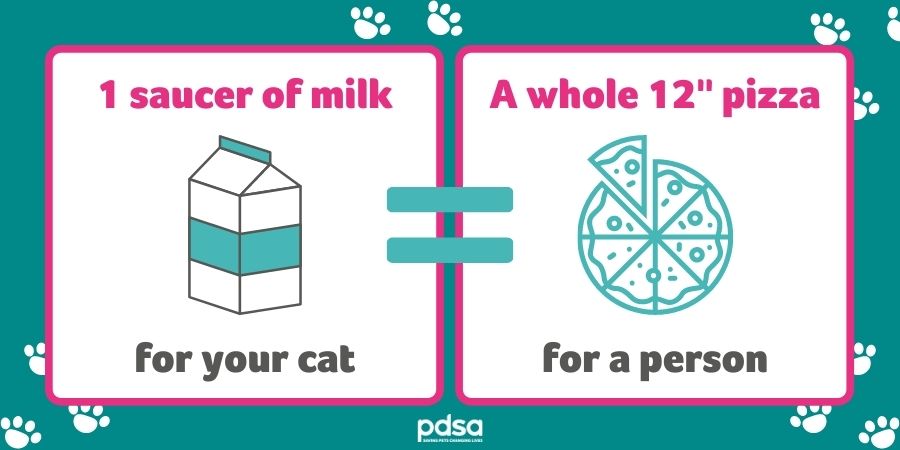
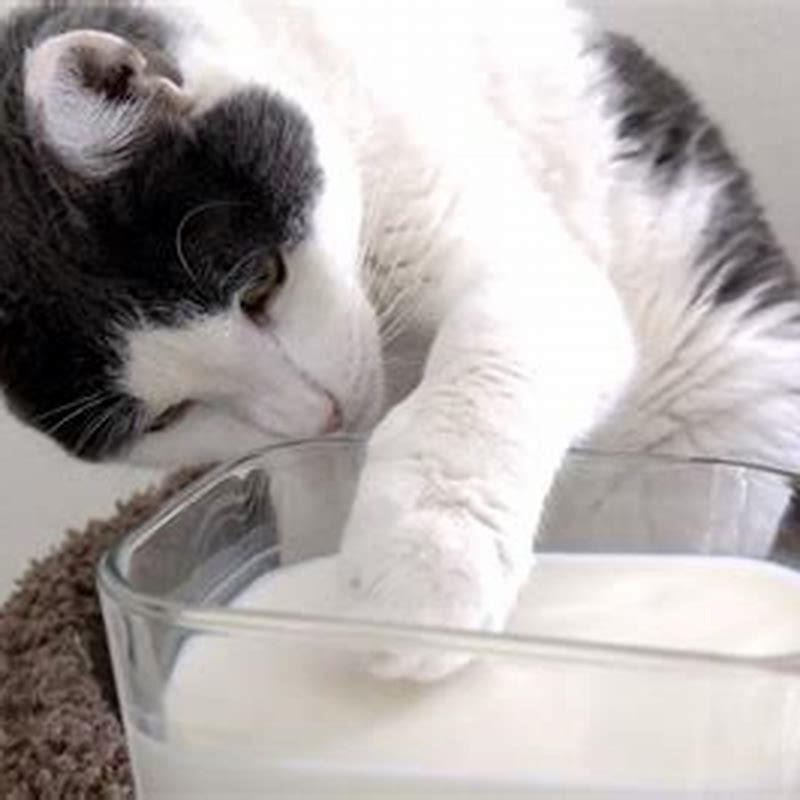
As a cat owner, you've probably wondered if you can give your feline friend a saucer of milk as a treat. After all, we've all seen the pictures of cats happily lapping up milk in cartoons and movies. But is milk really good for your cat? The answer might surprise you.
Understanding Cat Digestion
Cats process food differently than humans, and grasping their digestion helps explain why milk can cause issues. The role of lactose in milk is crucial to understand. Lactose is the sugar found in milk, and most adult cats lack the enzyme lactase that breaks down lactose. About 70-90% of cats experience lactose intolerance, leading to digestive upset.
Why Can't I Give My Cat Milk?
So, why can't you simply give your cat milk as a treat? The answer lies in the potential health risks associated with milk consumption in cats. Giving your cat ordinary cow's milk can cause upset tummies, cramps, and even severe diarrhea. In kittens, diarrhea can be fatal due to dehydration and electrolyte imbalances.
Alternatives to Milk for Cats
- Water: The best beverage for your cat is water. Make sure your cat always has access to fresh, clean water.
- Low-sodium chicken or beef broth: These broths can be a delicious and nutritious alternative to milk, but make sure to choose a low-sodium version.
- Homemade cat milk replacers: If you're looking for a nutritional supplement for your cat, consider making a homemade cat milk replacer using ingredients like goat's milk, goat's milk powder, and water.
- Commercial cat milk replacers: If you're looking for a convenient and shelf-stable option, consider purchasing a commercial cat milk replacer from a reputable manufacturer.
When Can I Give My Cat Milk?
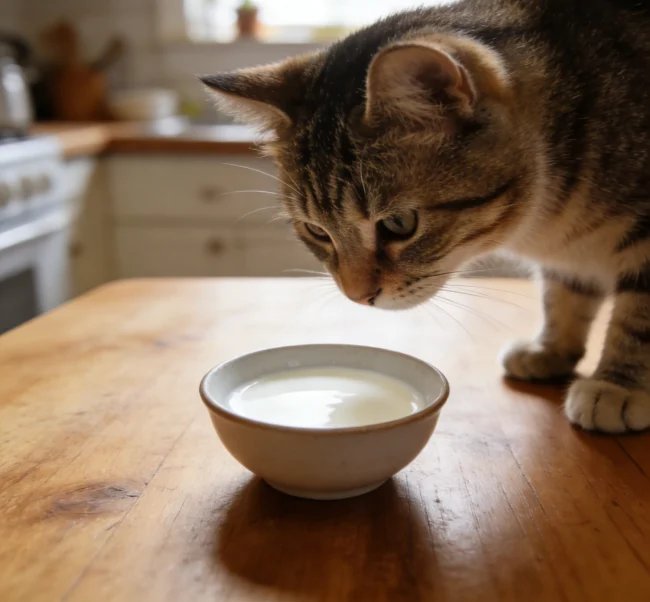
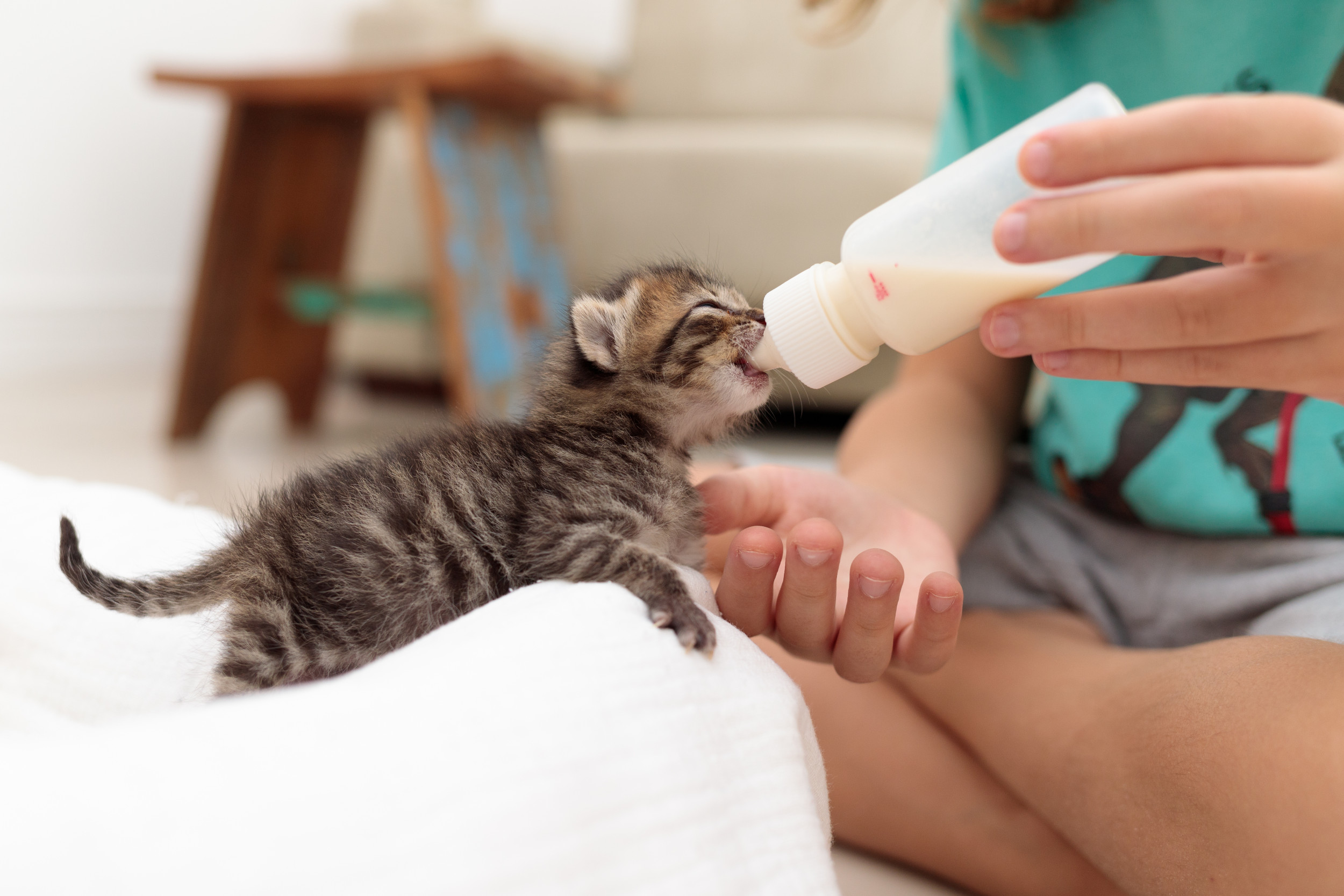
While milk is not a necessary component of a cat's diet, there is one exception: kittens. If you need to hand-rear a kitten, you should consult with a veterinarian to determine the best course of action. In most cases, you'll need to provide a commercial kitten milk replacer specifically formulated for kittens. Avoid giving your kitten ordinary cow's milk, as it lacks the necessary nutrients and can cause digestive issues.
Conclusion
In conclusion, while it might be tempting to give your cat a saucer of milk as a treat, it's not a good idea. Most cats are lactose intolerant and can suffer from digestive issues when consuming milk. Instead, opt for low-sodium chicken or beef broth, homemade cat milk replacers, or commercial cat milk replacers. These alternatives will keep your cat healthy and happy while avoiding the potential risks associated with milk consumption.
Final Thoughts
As a responsible cat owner, it's essential to prioritize your cat's health and well-being. By avoiding milk and choosing a balanced diet rich in essential nutrients, you'll be giving your cat the best possible start in life. So, the next time you're considering giving your cat milk, remember: it's not the healthiest choice, and there are plenty of alternatives available.
Additional Resources
For more information on cat nutrition and milk consumption, consult with your veterinarian or check out the following resources:
- International Cat Care: "Can I give my cat milk?"
- WebMD: "Cats and Dairy: The Facts"
- Royal Canin: "Can cats drink milk?"