Unlock the Secrets of Product Design for Users
Product design is a multifaceted field that focuses on creating innovative products that meet the needs of real users while also meeting business objectives. The ultimate goal of product design is to develop products that are both functional and aesthetically pleasing, making them functional and beneficial to use.What is Product Design?
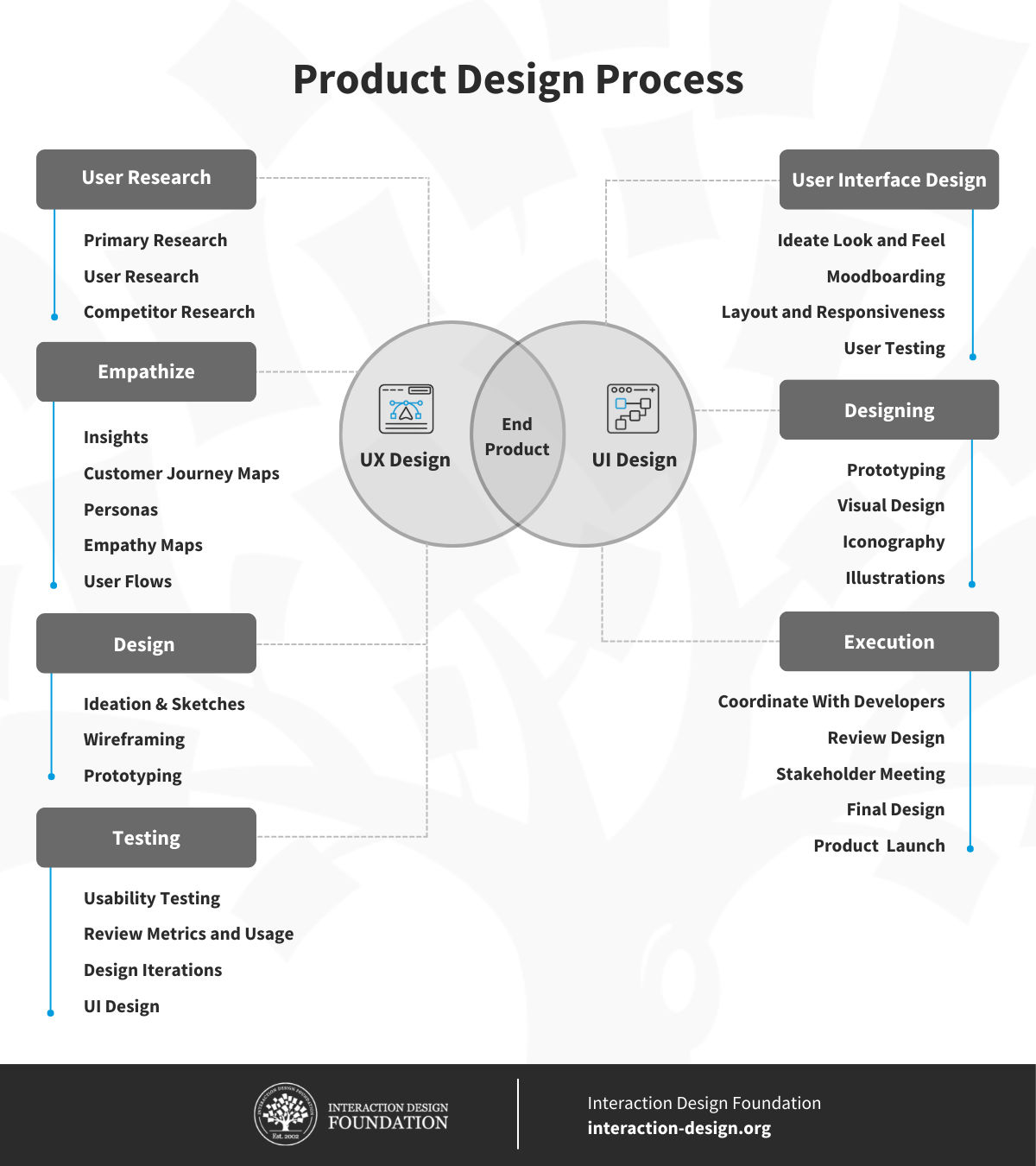
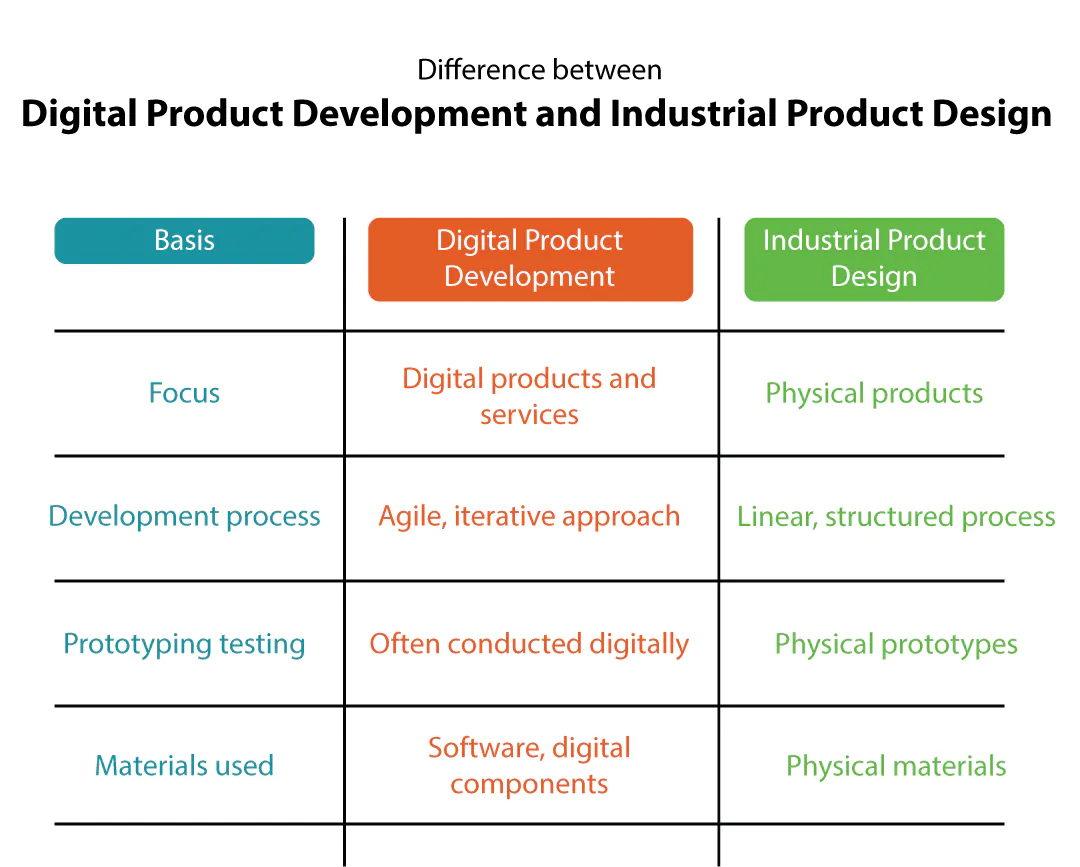
Product design is the strategic process of identifying user problems and creating solutions that are both functional and beneficial to use. It combines creative thinking with business objectives, ensuring that every design decision serves both user needs and company goals. The process involves researching, brainstorming, developing, testing, and iterating products to meet precise user needs, covering every aspect of a product's life cycle from conception to manufacturing.The Importance of Product Design for Users
Product design is crucial for businesses to remain competitive in the market. In the digital age, users have many choices when selecting products and services, making it essential to prioritize the user experience. A well-designed product can make all the difference between success and failure. Research consistently shows that aesthetically pleasing products attract more attention and are often considered more valuable.Key Steps in the Product Design Process
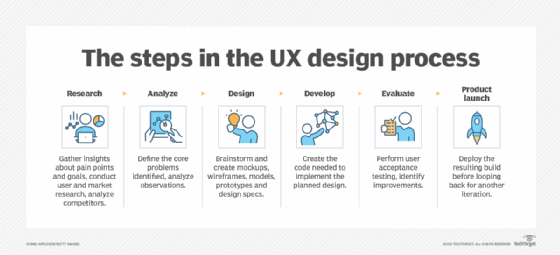
The product design process involves various stages, from market research to product development. It requires a combination of design thinking, strategy, and execution, such as manufacturing planning and agile development. The key steps in the product design process include:- Market research: Understand the needs and preferences of the target audience
- Brainstorming: Generate ideas and develop concepts
- Product development: Create prototypes and test the product
Design for the User

User-Centered Design Principles
A user-centered design approach prioritizes the needs and goals of the user above all else. It involves creating products that are intuitive, easy to use, and provide a seamless experience. Some key principles of user-centered design include:- Empathy: Understand the user's needs and motivations
- Evidence-based design: Use data and user research to inform design decisions
- Iterative design: Continuously test and iterate on the product to improve its usability