Protecting Your Bank Account from Phishing Scams: A Comprehensive Guide
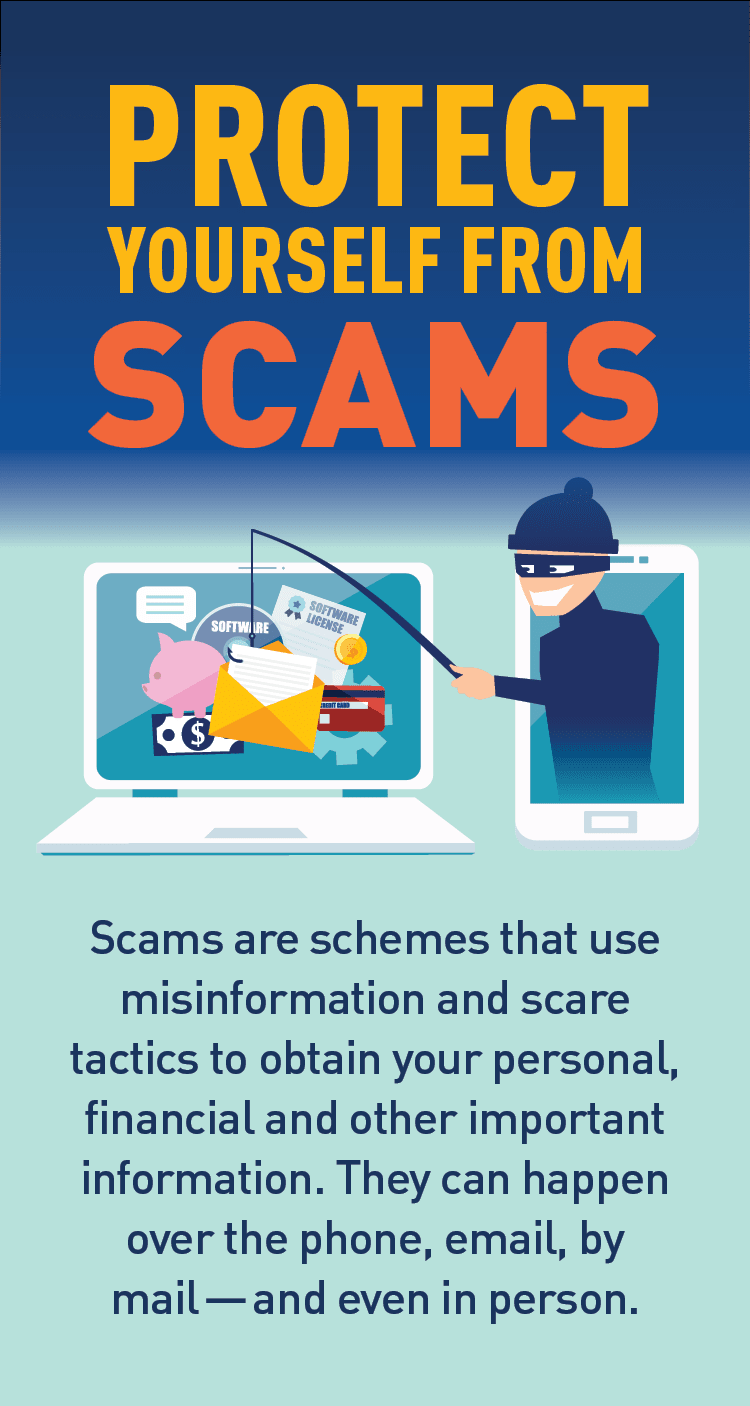
In today's digital age, phishing scams have become a significant threat to individuals' financial security. Cybercriminals use various tactics to steal personal and financial information, often leading to significant financial loss and identity theft. In this article, we will provide you with actionable tips on how to protect your bank account from phishing scams and what to do if you become a victim.
The Risks of Phishing Scams
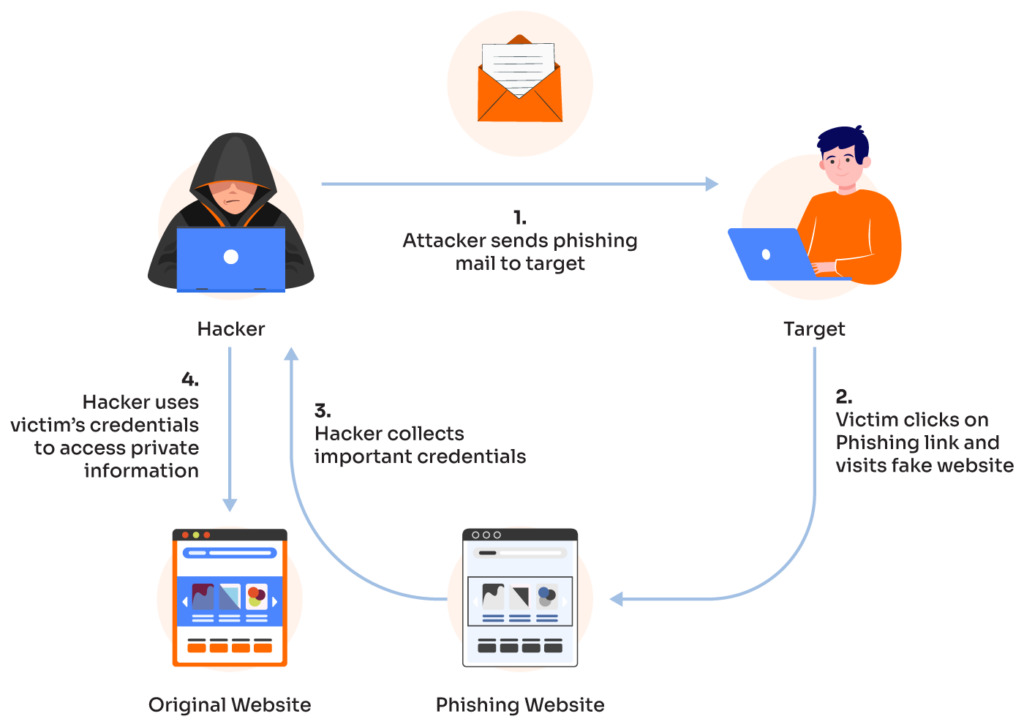
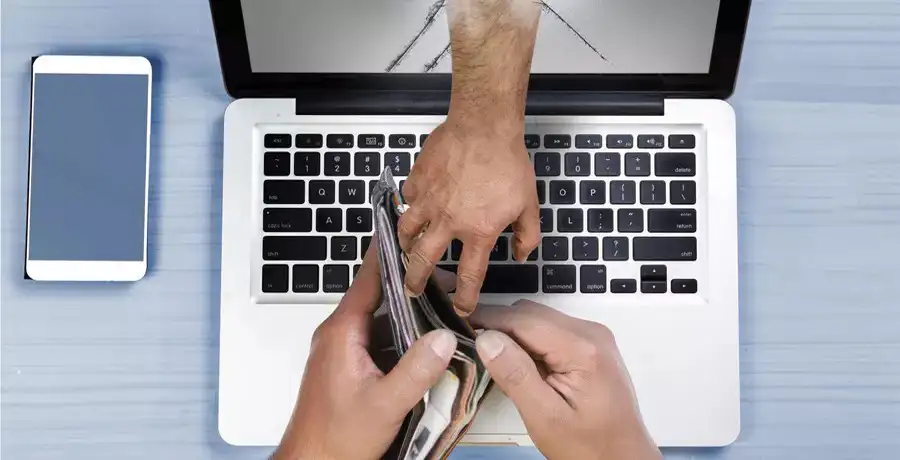
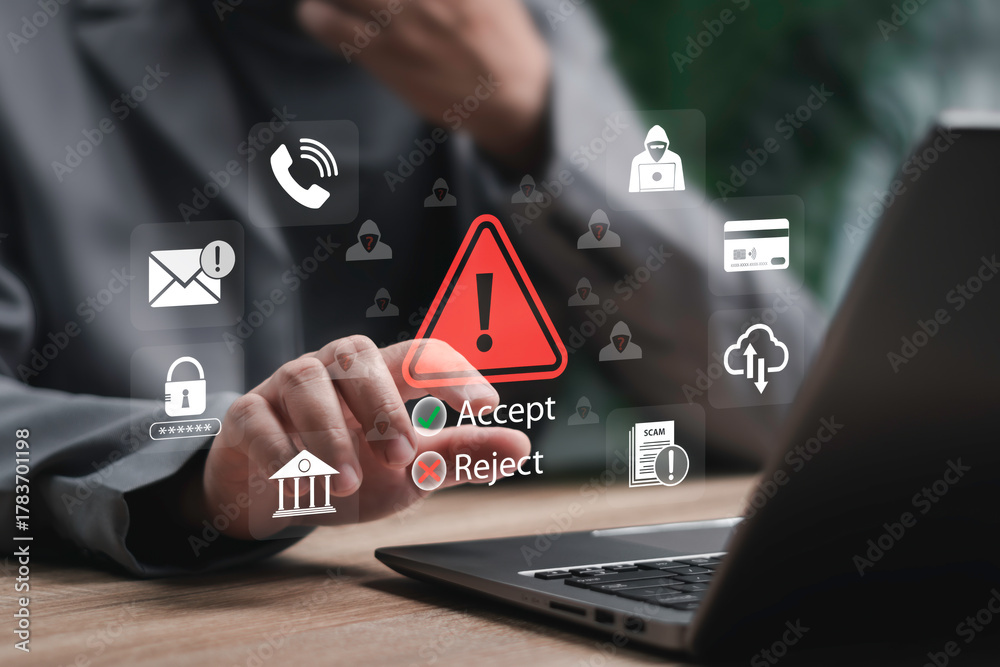
Phishing scammers use email or text messages to try to steal your passwords, account numbers, or Social Security numbers. If they get that information, they could gain access to your email, bank, or other accounts. Or, they could sell your information to other scammers. To protect your bank account from phishing scams, it's essential to understand the tactics used by scammers and how to spot suspicious emails or messages.
How to Recognize Phishing Scams
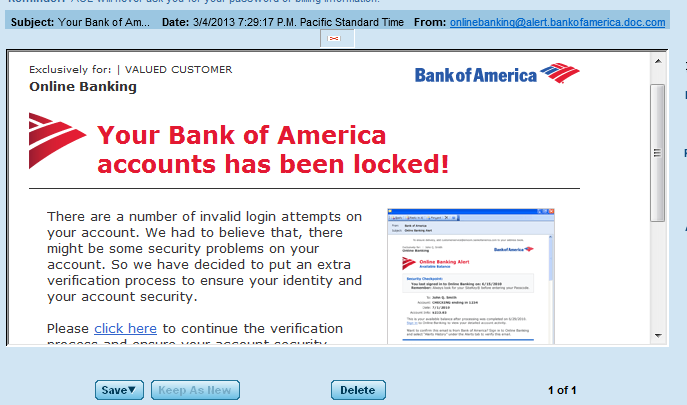
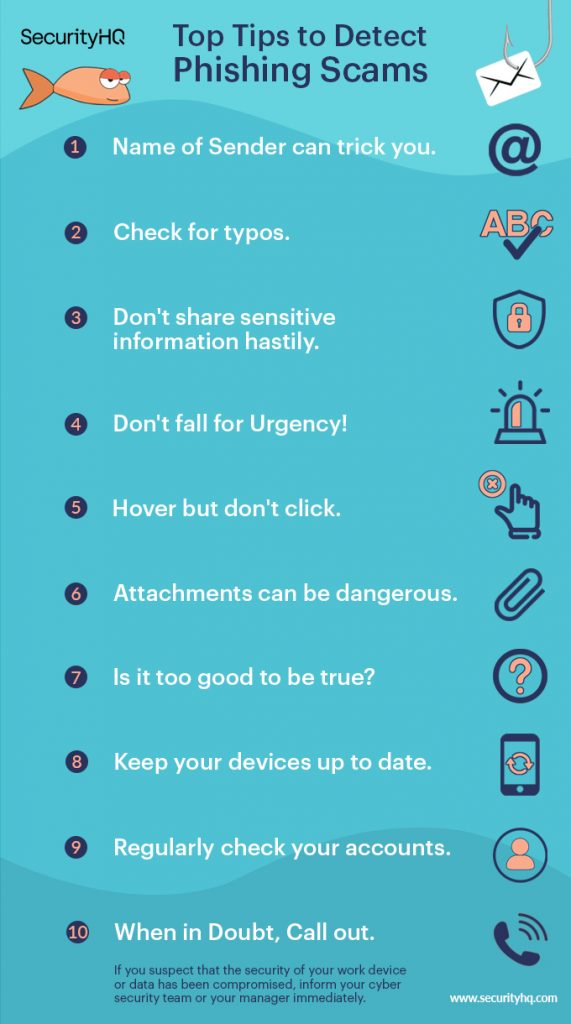
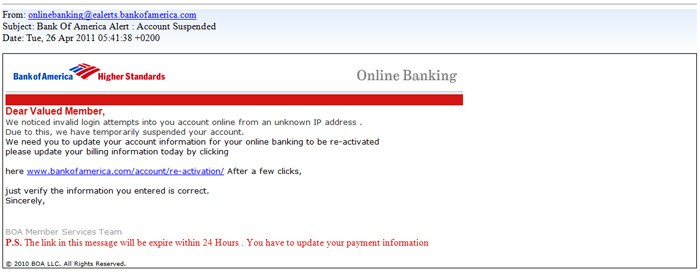
- Phishing emails or messages often appear to be from a legitimate source, such as a bank or a government agency.
- They may ask you to provide sensitive information, such as your password, account number, or Social Security number.
- Phishing emails or messages may contain spelling or grammar errors, or they may be sent from an unknown sender.
- They may create a sense of urgency, such as telling you that your account will be closed if you don't take action immediately.
Protecting Your Bank Account from Phishing Scams
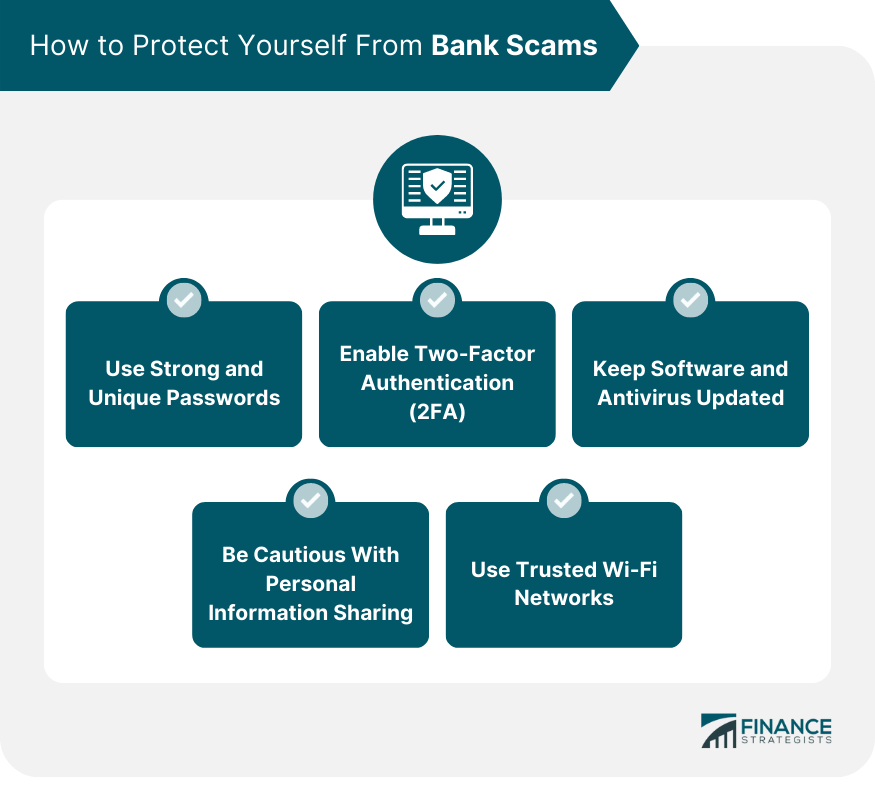
To protect your bank account from phishing scams, follow these tips:
- Always verify the sender's email address or phone number before responding to a message or providing sensitive information.
- Be cautious of emails or messages that ask you to provide sensitive information or create a sense of urgency.
- Never click on links or download attachments from unsolicited emails or messages.
- Use strong, unique passwords for all of your accounts, and avoid using the same password for multiple accounts.
- Enable two-factor authentication (2FA) on all of your accounts to add an extra layer of security.
- Regularly monitor your bank account statements and report any suspicious activity to your bank immediately.
.B09AVv7U.jpeg)
What to Do if You Become a Victim of a Phishing Scam
If you believe you have fallen victim to a phishing scam, follow these steps:
- Change your password immediately and enable 2FA on your account.
- Notify your bank or financial institution of the scam and provide them with any relevant information.
- Monitor your bank account statements and credit reports for any suspicious activity.
- Report the scam to the Federal Trade Commission (FTC) and your local authorities.
Conclusion
Protecting your bank account from phishing scams requires awareness, vigilance, and a willingness to take proactive steps to secure your financial information. By following the tips outlined in this article, you can significantly reduce your risk of falling victim to a phishing scam and keep your financial information safe. Remember, it's always better to be safe than sorry, and taking the time to protect your bank account from phishing scams is an essential part of maintaining your financial security.
Additional Resources
If you're concerned about phishing scams or want to learn more about protecting your bank account, consider the following resources:
- The Federal Trade Commission (FTC) offers guidance on how to spot and avoid phishing scams.
- The Social Security Administration (SSA) provides information on how to protect your Social Security number and report identity theft.
- Your bank or financial institution may offer additional resources and support for protecting your bank account from phishing scams.