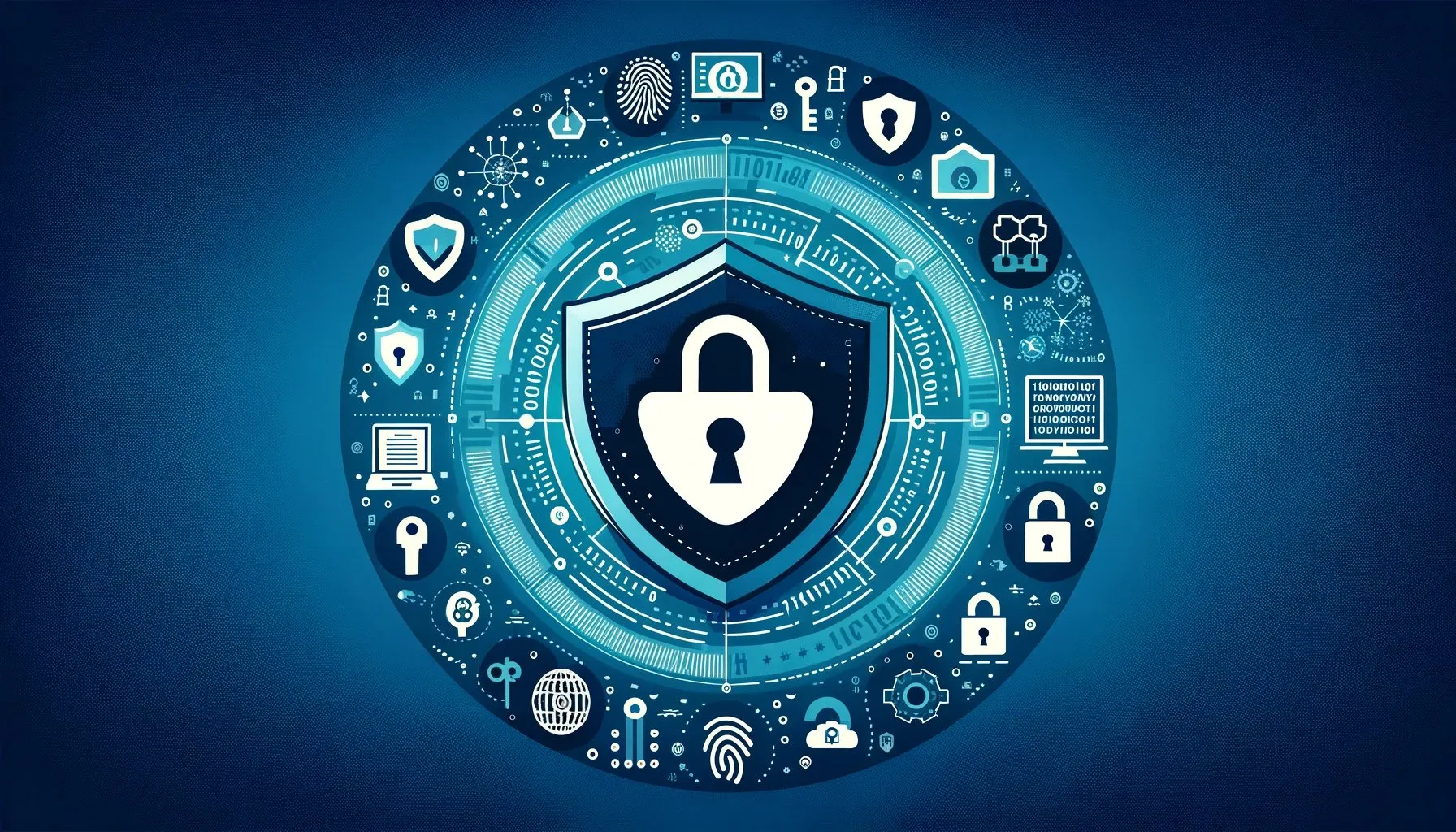
Protecting Your Online Identity from Cybercrime: A Comprehensive Guide
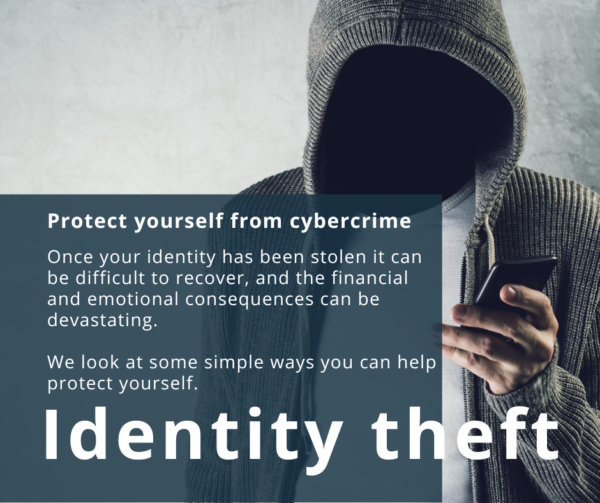
In today's digital age, our online identities are more vulnerable than ever to cyber threats and identity theft. With the rise of connected devices, social media, and online banking, it's easier than ever for hackers and scammers to access our personal information and compromise our online presence. In this article, we'll explore the importance of protecting your online identity and provide you with actionable tips and strategies to safeguard yourself from cybercrime.
Understanding the Risks of Cybercrime
Cybercrime is a growing concern that affects individuals, businesses, and organizations worldwide. Identity theft, phishing, malware, and ransomware are just a few examples of the many types of cyber threats that can compromise your online identity and financial security. It's essential to be aware of the risks and take proactive steps to protect yourself and your loved ones.
Protecting Your Online Identity: Best Practices
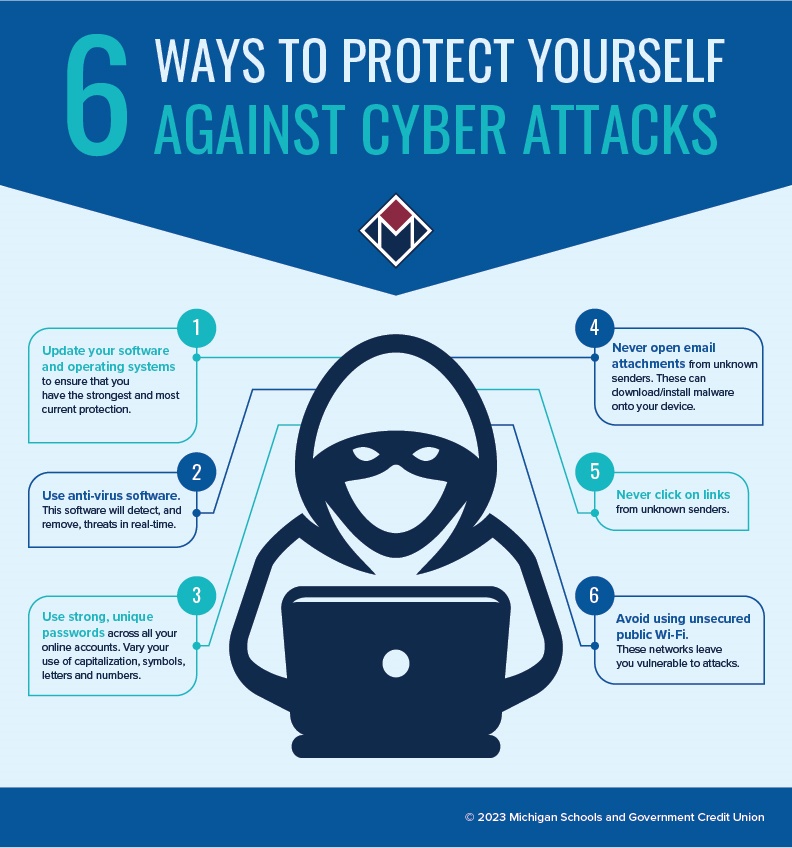
- Use Strong Passwords**: Use a combination of letters, numbers, and special characters to create unique passwords for each of your online accounts. Consider using a password manager to securely store your passwords.
- Enable Two-Factor Authentication (2FA)**: Two-factor authentication adds an extra layer of security to your online accounts by requiring a verification code sent to your phone or email in addition to your password.
- Keep Your Devices and Software Up-to-Date**: Regularly update your operating system, browser, and other software to ensure you have the latest security patches and features.
- Be Cautious with Email and Text Messages**: Be wary of suspicious links and attachments in emails and texts, and never provide personal or financial information in response to unsolicited requests.
- Use a Virtual Private Network (VPN)**: A VPN encrypts your internet traffic and protects your data from being intercepted by hackers or ISPs.
- Regularly Monitor Your Finances and Credit Reports**: Keep an eye on your bank and credit card statements, and check your credit reports regularly to detect any suspicious activity.
- Use Identity Theft Protection Services**: Consider using a service that monitors your credit and personal data for potential identity theft.
- Back Up Your Data**: Regularly back up your important files and data to ensure that you can recover them in case of a cyber attack or data breach.

Staying Safe Online: Additional Tips
While the best practices listed above provide a solid foundation for protecting your online identity, there are additional steps you can take to stay safe online:
- Use a Secure Browser**: Use a browser that has built-in security features, such as Google Chrome or Mozilla Firefox.
- Be Aware of Public Wi-Fi**: Avoid using public Wi-Fi networks or use a VPN when connecting to public Wi-Fi to protect your data from being intercepted.
- Don't Click on Suspicious Links**: Be cautious of links from unknown senders or in emails that seem suspicious.
- Use a Firewall**: Enable the firewall on your device to block unauthorized access to your data.
- Regularly Update Your Antivirus Software**: Ensure that your antivirus software is up-to-date to detect and remove malware.
Conclusion
Protecting your online identity from cybercrime requires a combination of awareness, best practices, and the right tools. By following the tips and strategies outlined in this article, you can significantly reduce the risk of cyber threats and identity theft. Remember, your online identity is your digital reputation, and it's worth protecting.



.jpg#keepProtocol "I Stole People's Identity. Here's How to Protect Yourself Online ...")