Unlock the Power of Artificial Intelligence with Python Programming
Artificial intelligence (AI) has become one of the most transformative technologies of our time. With its simplicity, readability, and extensive ecosystem of libraries, Python has emerged as a popular programming language for developing AI applications. In this article, we will delve into the world of Python programming for artificial intelligence, covering fundamental concepts, usage methods, common practices, and real-world applications.
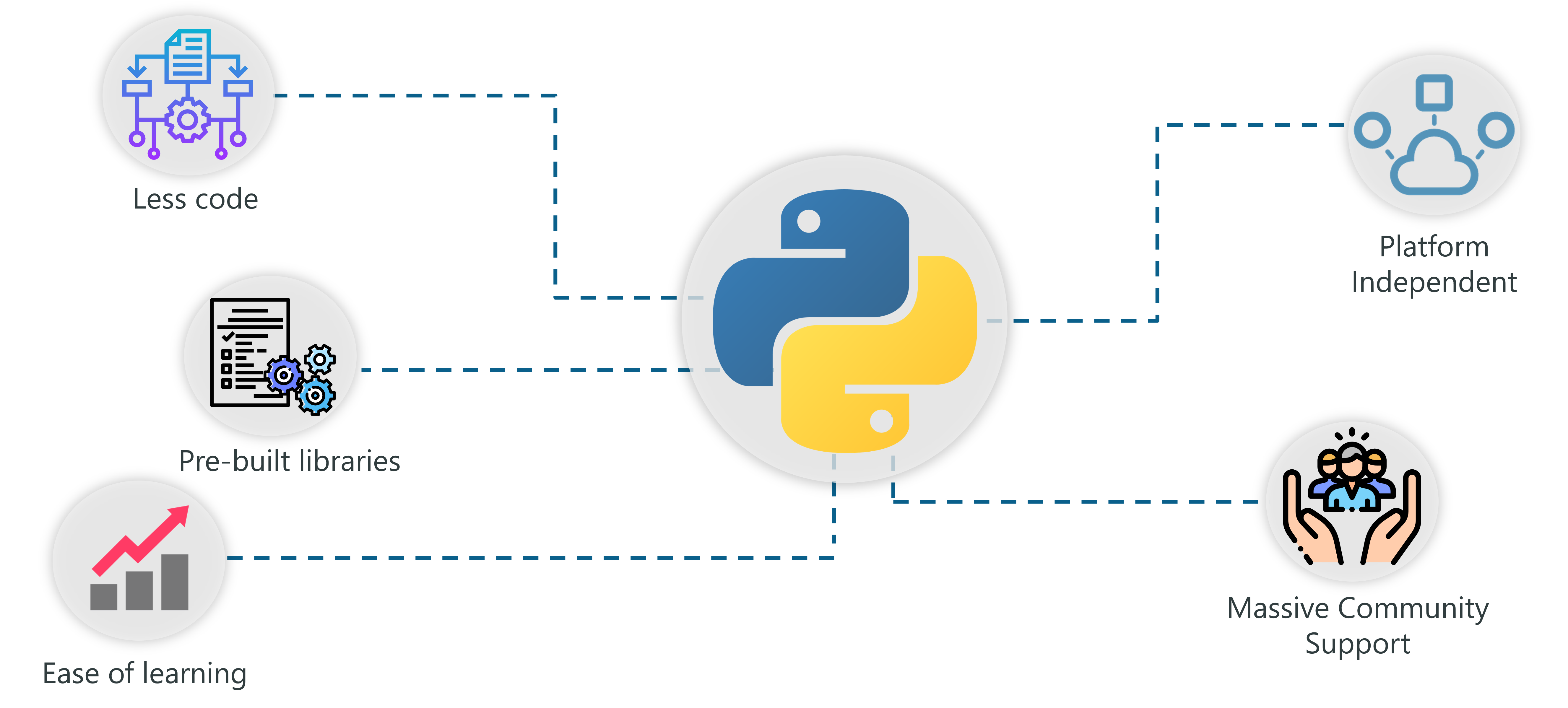
Why Python is the Perfect Language for AI
Python's simplicity and flexibility make it an ideal choice for AI development. Its syntax is straightforward, closely resembling human language, which reduces the learning curve for developers. Additionally, Python's powerful suite of libraries, such as NumPy, pandas, and Matplotlib, provide essential tools for data analysis and visualization. These libraries, combined with popular AI frameworks like TensorFlow and PyTorch, enable Python to become the go-to language for AI development.
Foundations of Python Programming for AI
To build a strong foundation in Python programming for AI, developers should focus on the following areas:
- Data Structures and Algorithms: Understanding data structures, such as lists, dictionaries, and sets, as well as basic algorithms like sorting and searching, are essential for AI development. Python's built-in data structures and libraries, like NumPy, provide efficient data manipulation and analysis.
- Object-Oriented Programming (OOP): OOP concepts, such as encapsulation, inheritance, and polymorphism, are crucial for developing complex AI models and systems.
- File Input/Output and Exception Handling: Understanding how to read and write files, as well as handling exceptions effectively, are vital for working with large datasets and ensuring program reliability.
Key AI Concepts in Python
Python programming for AI encompasses various subfields, including:
- Machine Learning: Machine learning involves algorithms that can automatically learn from data without being explicitly programmed. Python's scikit-learn library provides a comprehensive set of machine learning algorithms and tools.
- Deep Learning: Deep learning is a subset of machine learning that uses neural networks to analyze complex data. TensorFlow and PyTorch are popular Python frameworks for building and training deep learning models.
- Computer Vision: Computer vision involves teaching machines to interpret and understand visual data from images and videos. Python's OpenCV library provides efficient tools for image and video processing.
- Natural Language Processing (NLP): NLP deals with the interaction between computers and humans in natural language. Python's NLTK and spaCy libraries provide extensive NLP tools and resources.
Real-World Applications of Python Programming for AI
Python programming for AI has numerous real-world applications, including:
- Autonomous Vehicles: Companies like Waymo and Tesla use AI to develop self-driving cars, leveraging machine learning and computer vision algorithms.
- Healthcare: AI is applied in healthcare to diagnose diseases, predict patient outcomes, and personalize treatment plans.
- Robotics: AI is used in robotics to develop autonomous robots that can navigate and interact with their environment.
- E-commerce: AI is applied in e-commerce to personalize product recommendations, enhance customer experiences, and optimize supply chain logistics.
Conclusion
Python programming for artificial intelligence offers a powerful combination of simplicity, flexibility, and extensive libraries, making it an ideal choice for AI development. By mastering the foundations of Python programming, key AI concepts, and real-world applications, developers can unlock the full potential of AI and create innovative solutions to real-world problems.
Start Your AI Journey with Python Today!
Whether you're a complete beginner or an experienced professional, Python programming for AI is an exciting and rewarding field to explore. With this article, we've provided you with a solid foundation to start your AI journey. So, why wait? Dive into the world of Python programming for AI and unlock the power of artificial intelligence!







![Best Artificial Intelligence Courses & Certificates [2026] | Coursera](https://mlrwcgsyr0xz.i.optimole.com/Qbb0vIs-dbvhgDb9/w:auto/h:auto/q:auto/id:b62dc4af7a8ae153dd342d1a1c512b86/https://amoheric.com/Artificial-Intelligence-and-Python-FAQ-2-2.png "Best Artificial Intelligence Courses & Certificates [2026] | Coursera")
