Secure Online Banking Practices: Protecting Your Finances in the Digital Age
In today's digital world, online banking has become an essential part of modern life. With the convenience of being able to manage your finances from anywhere, at any time, it's no wonder that more and more people are turning to online banking. However, with the increased convenience comes the increased risk of cybercrime and identity theft. That's why it's essential to adopt robust security practices to protect your financial information and keep your online banking activities secure.
Understanding the Importance of Secure Online Banking Practices
Cybercriminals are constantly evolving their tactics to exploit vulnerabilities in online banking systems. As a result, it's become more critical than ever to stay vigilant and take meaningful steps to keep your financial accounts safe. By following secure online banking practices, you can protect your finances, personal data, and peace of mind while enjoying the convenience of digital banking.
7 Essential Secure Online Banking Practices to Follow
- 1. Choose a Secure Browser and Device: Ensure you use a secure browser and device to access your online banking account. Avoid using public computers or devices that may be infected with malware.
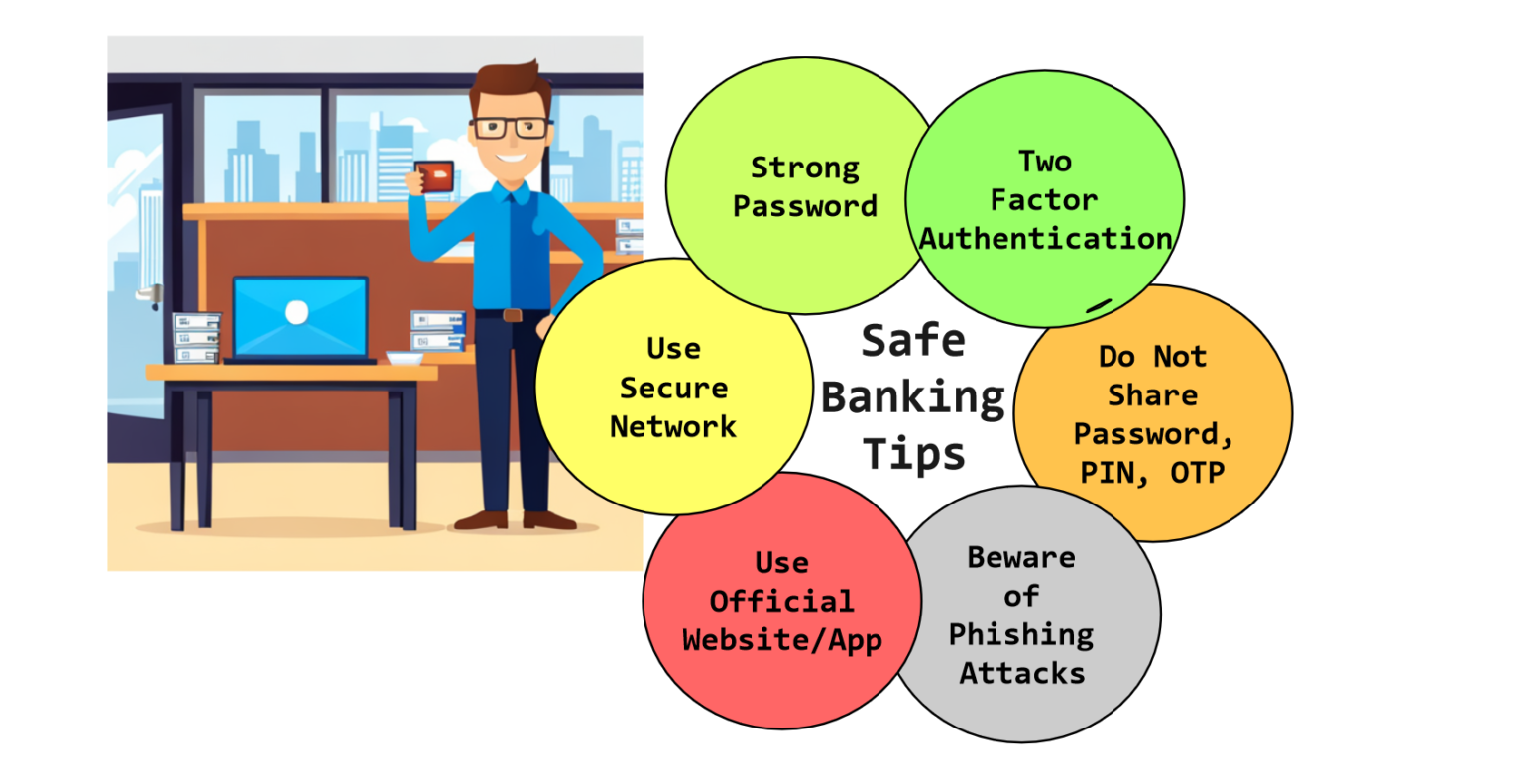
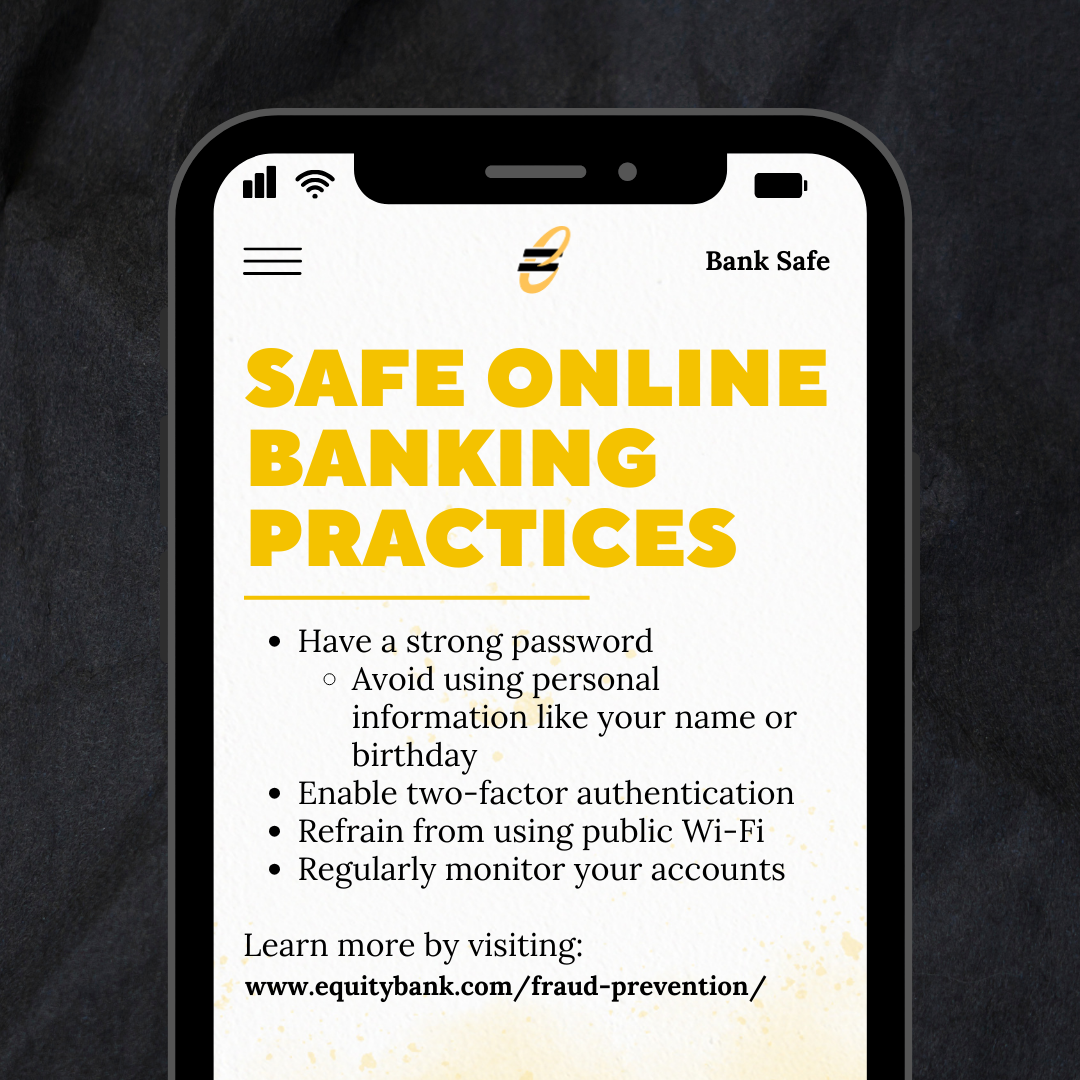
- 2. Use Strong and Unique Passwords: Use strong and unique passwords for your online banking account. Avoid using easily guessable passwords, such as your name, birthdate, or common words. Consider using a password manager to generate and store complex passwords.
- 3. Enable Two-Factor Authentication (2FA): Enable 2FA, also known as multi-factor authentication (MFA), to add an extra layer of security to your online banking account. This ensures that even if someone knows your password, they won't be able to access your account.
- 4. Monitor Your Account Activity Regularly: Regularly monitor your account activity to detect any suspicious transactions or unauthorized access. Set up alerts and notifications to stay informed about any changes to your account.
- 5. Avoid Public Wi-Fi for Online Banking: Avoid using public Wi-Fi for online banking, as it may not be secure. Consider using a mobile device or a secure internet connection to access your online banking account.
- 6. Use Secure Network for Online Banking: Ensure you use a secure network for online banking, such as a home network or a mobile device with a secure connection. Avoid using unsecured networks or public hotspots.
- 7. Update Your Software and Browser Regularly: Regularly update your software and browser to ensure you have the latest security patches and features. This will help protect your online banking account from potential vulnerabilities.
Additional Security Measures for Online Banking
In addition to the essential secure online banking practices listed above, consider implementing the following additional security measures:
- Use an Antivirus Program: Install an antivirus program to protect your device from malware and other online threats.
- Use a Virtual Private Network (VPN): Consider using a VPN to encrypt your internet traffic and protect your online banking activity.
- Use a Secure Email Service: Use a secure email service to send and receive sensitive information related to your online banking account.
- Keep Your Personal Data Confidential: Keep your personal data confidential and avoid sharing sensitive information with anyone, including your bank or other financial institutions.
Conclusion
Secure online banking practices are essential for protecting your financial information and keeping your online banking activities safe. By following the 7 essential secure online banking practices listed above, you can reduce the risk of cybercrime and identity theft. Remember, it's always better to be safe than sorry, and taking proactive steps to secure your online banking account is the best way to protect your financial well-being in the digital age.









.png "Bank of America Online Banking & Bill Pay Customer Service")