Secure Wi-Fi Settings on Windows: A Comprehensive Guide
Why Wi-Fi Security is Imperative
Wireless connections have revolutionized the way we access and interact with the internet. However, with the convenience of wireless connectivity comes the risk of security breaches and data theft. An unsecured or open Wi-Fi network is a vulnerable gateway for cyber threats, putting your personal data at risk of being compromised. In this article, we will explore the importance of securing Wi-Fi settings on Windows, understand the latest encryption standards, and provide a step-by-step guide on how to secure your Wi-Fi connection on Windows 11.Understanding Wi-Fi Encryption
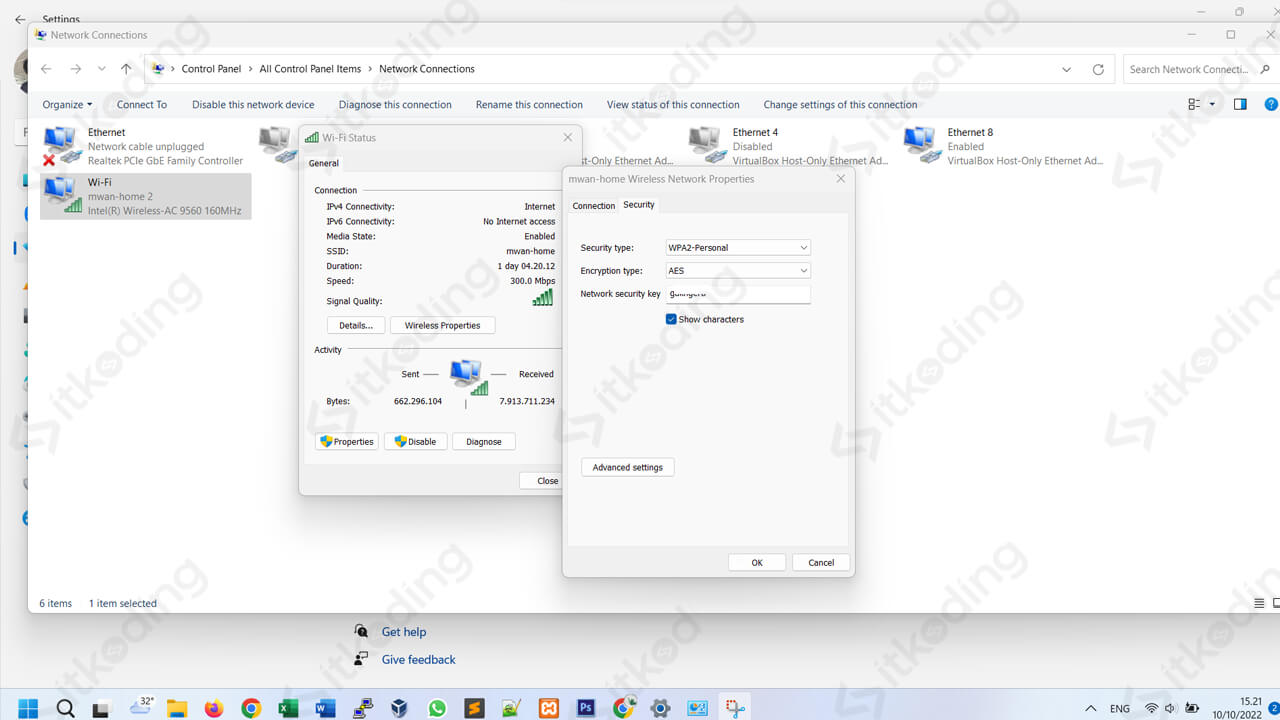
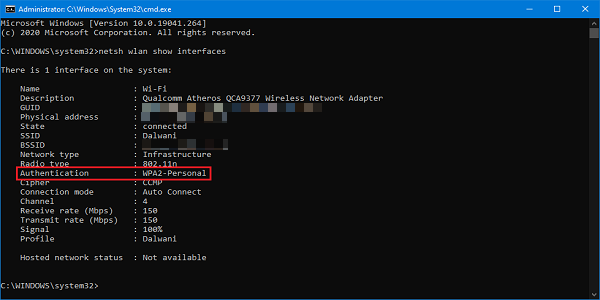
Wi-Fi is a wireless local area network (WLAN) technology that uses high-frequency radio waves to provide wireless internet and network connections to Windows devices. Wi-Fi encryption involves the use of passwords and protocols to secure the data being transmitted over the network. The most common Wi-Fi encryption protocols are WPA3, WPA2, WPA, and WEP. Encryption settings are managed through your router's interface, but Windows allows you to easily verify the encryption protocol your network is currently using.Why is Secure Wi-Fi Important?
Your device's Wi-Fi network should use modern encryption standards to ensure data security. A secure Wi-Fi network is essential to prevent unauthorized access and protect your personal data from being compromised. Here are some reasons why secure Wi-Fi is crucial:- Prevents data theft and cyber threats
- Protects your online identity and sensitive information
- Prevents unauthorized access to your network
- Enhances online safety and security
Configuring Secure Wi-Fi Settings on Windows 11
To secure your Wi-Fi connection on Windows 11, follow these steps:Step 1: Check and Update Network Settings
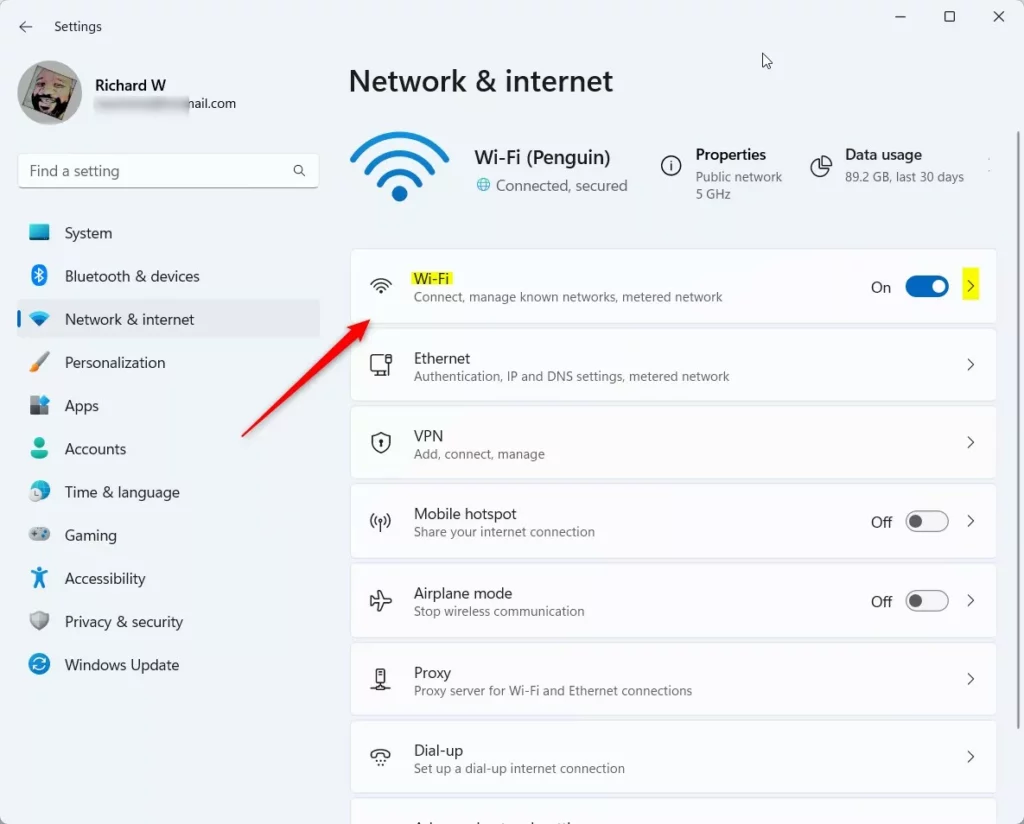
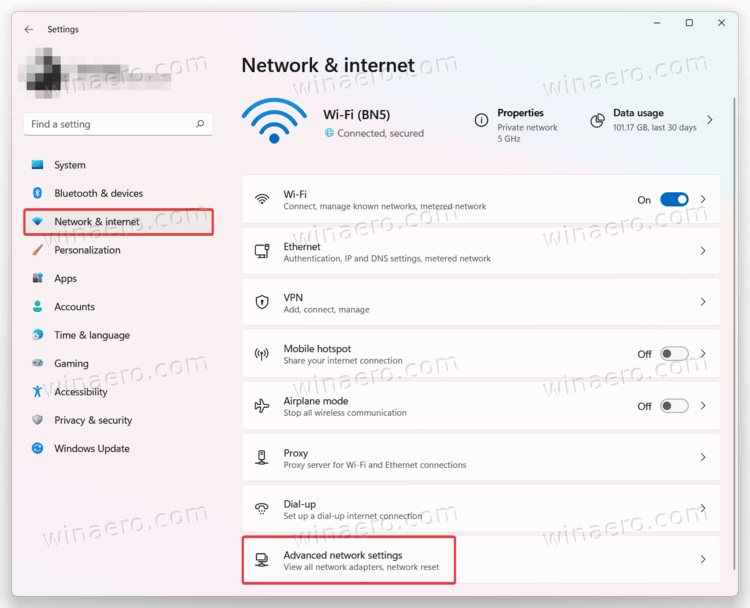
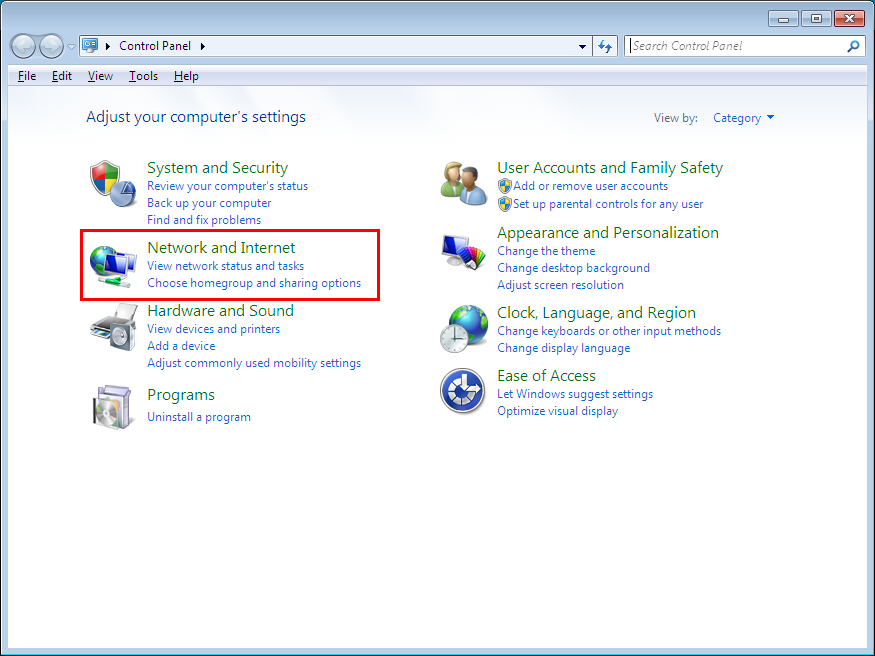
Open the Settings app on your Windows device, select "Network & Internet," and then click on "Advanced Settings." Ensure that the " Wi-Fi" switch is turned on.Step 2: Update Wi-Fi Adapter Drivers
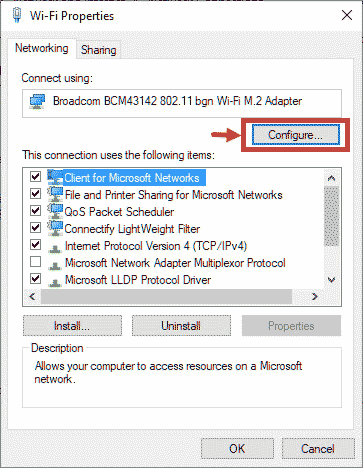
Step 3: Secure your Wi-Fi Router
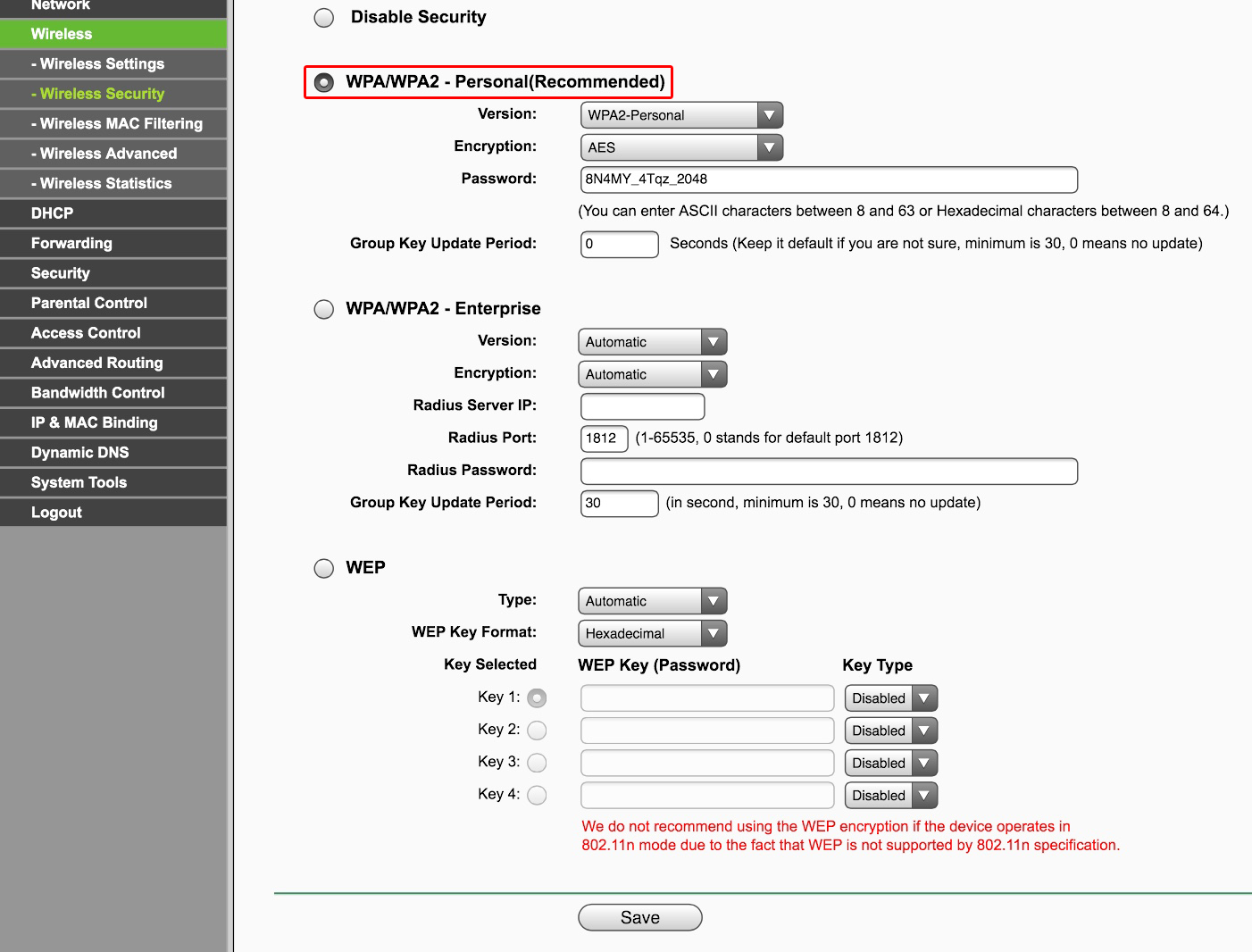
Access your router's settings and configure the following:- Change the network's name (SSID)
- Set a strong and unique password
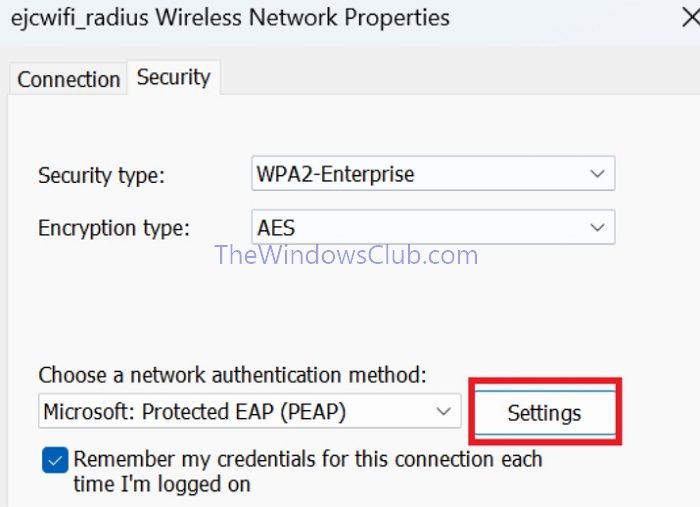
- Configure the encryption protocol to WPA3 or WPA2
- Enable MAC address filtering