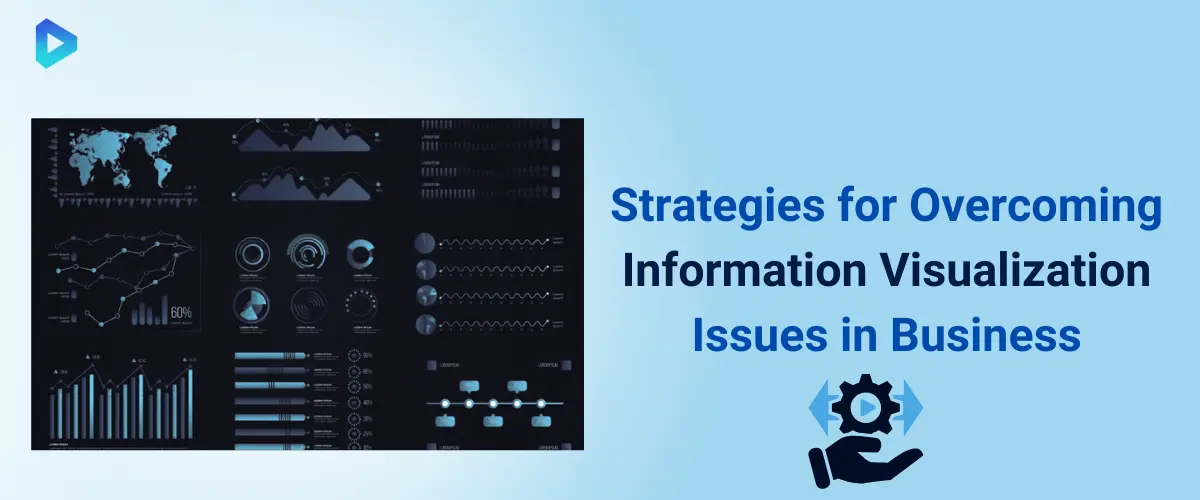
Strategies for Overcoming Information Overload
The exponential growth of digital information has led to the pervasive problem of information overload, affecting decision-making, productivity, and well-being. The constant influx of data and messages can be overwhelming, leading to feelings of fatigue, frustration, and anxiety. However, there are effective strategies for managing information overload and regaining control over our digital lives.
Understanding Information Overload
Information overload occurs when the amount of information consumed exceeds an individual's ability to process it. This can be caused by various factors, including social media, email, messaging apps, and online distractions. The consequences of information overload can be severe, including reduced productivity, decreased focus, and impaired cognitive function.
Strategies for Overcoming Information Overload
Fortunately, there are several strategies for overcoming information overload and restoring balance to our digital lives. Here are some effective techniques to help you manage information overload:
- Structure Your Process**: Create a schedule or routine for checking emails, social media, and other digital sources of information. Set aside specific times for each and avoid multitasking to minimize distractions.
- Filter and Prioritize**: Learn to filter out irrelevant information and prioritize tasks based on importance and urgency. Use tools such as email filters, project management software, or browser extensions to help you stay focused.
- Use Technology Wisely**: Leverage technology to automate tasks, block distractions, and enhance productivity. Utilize tools such as website blockers, phone apps, or browser extensions to help you stay on track.
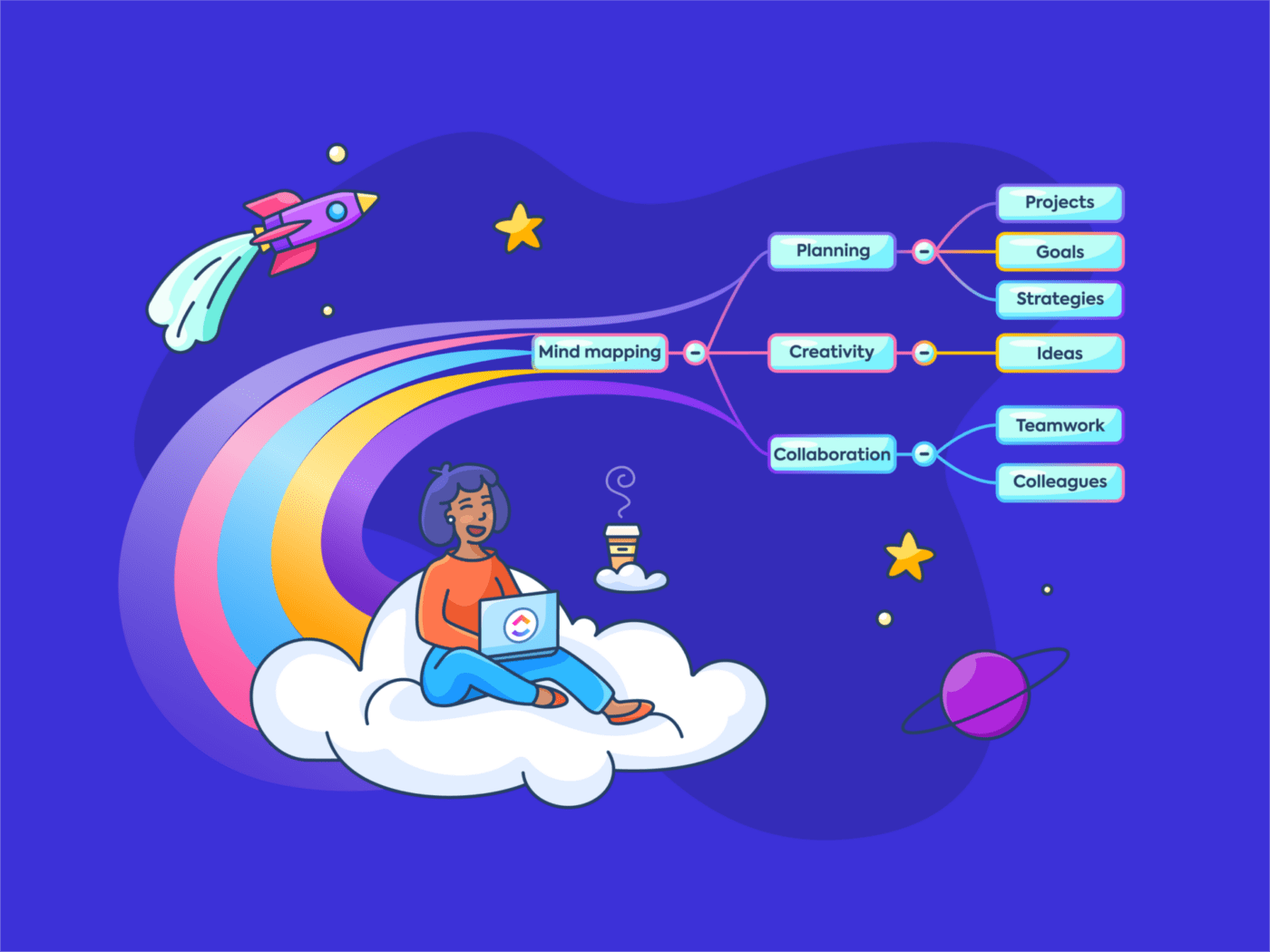
- Model and Contextualize Information**: Structure your information into clear categories, making it easier to access and review. This can be achieved by creating folders, tags, or labels, helping you to quickly locate relevant information.
- Limit Digital Distractions**: Establish boundaries and limitations on digital usage, such as avoiding social media during work hours or turning off notifications during focused work sessions.
- Practice Mindfulness and Self-Care**: Take breaks, exercise, and engage in activities that promote relaxation and reduce stress. Mindfulness techniques, such as meditation or deep breathing exercises, can also help you stay present and focused.
- Delegate and Outsource**: Learn to delegate tasks and outsource responsibilities when possible, freeing up time and mental resources for more critical tasks.
- Seek Support**: Collaborate with colleagues, friends, or family members to share information and ideas, reducing the burden of information overload.
- Stay Organized**: Maintain a clean and organized digital and physical workspace, making it easier to locate and review information.
- Stay Up-to-Date**: Continuously update your skills and knowledge to stay ahead of the information curve, reducing the likelihood of feeling overwhelmed by new information.
The Benefits of Effective Information Management
By implementing these strategies for overcoming information overload, individuals can experience numerous benefits, including:
* Increased productivity and focus
* Improved decision-making and reduced stress
* Enhanced creativity and innovation
* Better time management and organization
* Improved relationships and communication
Conclusion
Information overload is a widespread problem affecting individuals and organizations worldwide. However, by implementing these strategies for overcoming information overload, you can regain control over your digital life, boost productivity, and achieve your goals more efficiently. By prioritizing information management and adopting effective habits, you can navigate the complexities of the digital age with confidence and ease.