How to Protect Your Bank Account from Account Takeover
Understanding Account Takeover Fraud
Protecting your bank account is one of the most important steps you can take to safeguard your financial identity. Cybercriminals are always searching for ways to access personal information and financial accounts. In this article, we will explore how to protect your bank account from account takeover, a type of fraud that can have serious consequences for your financial well-being.
How Account Takeover Happens
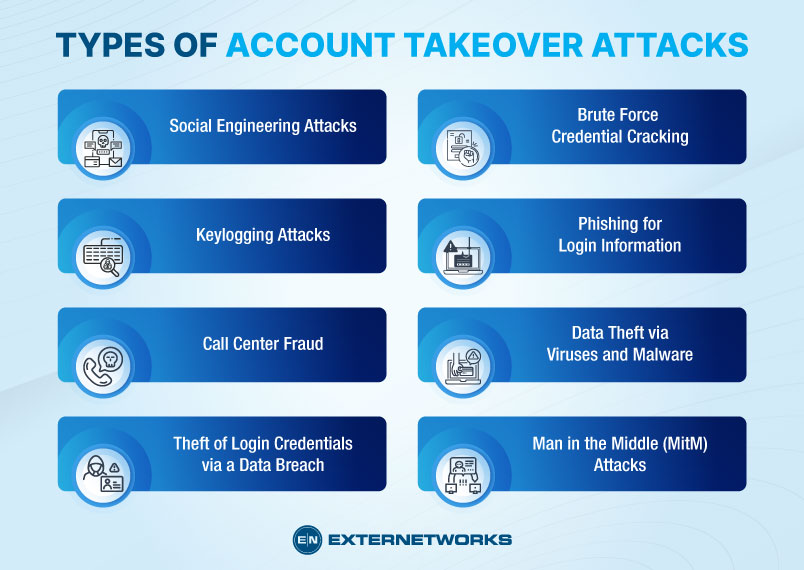
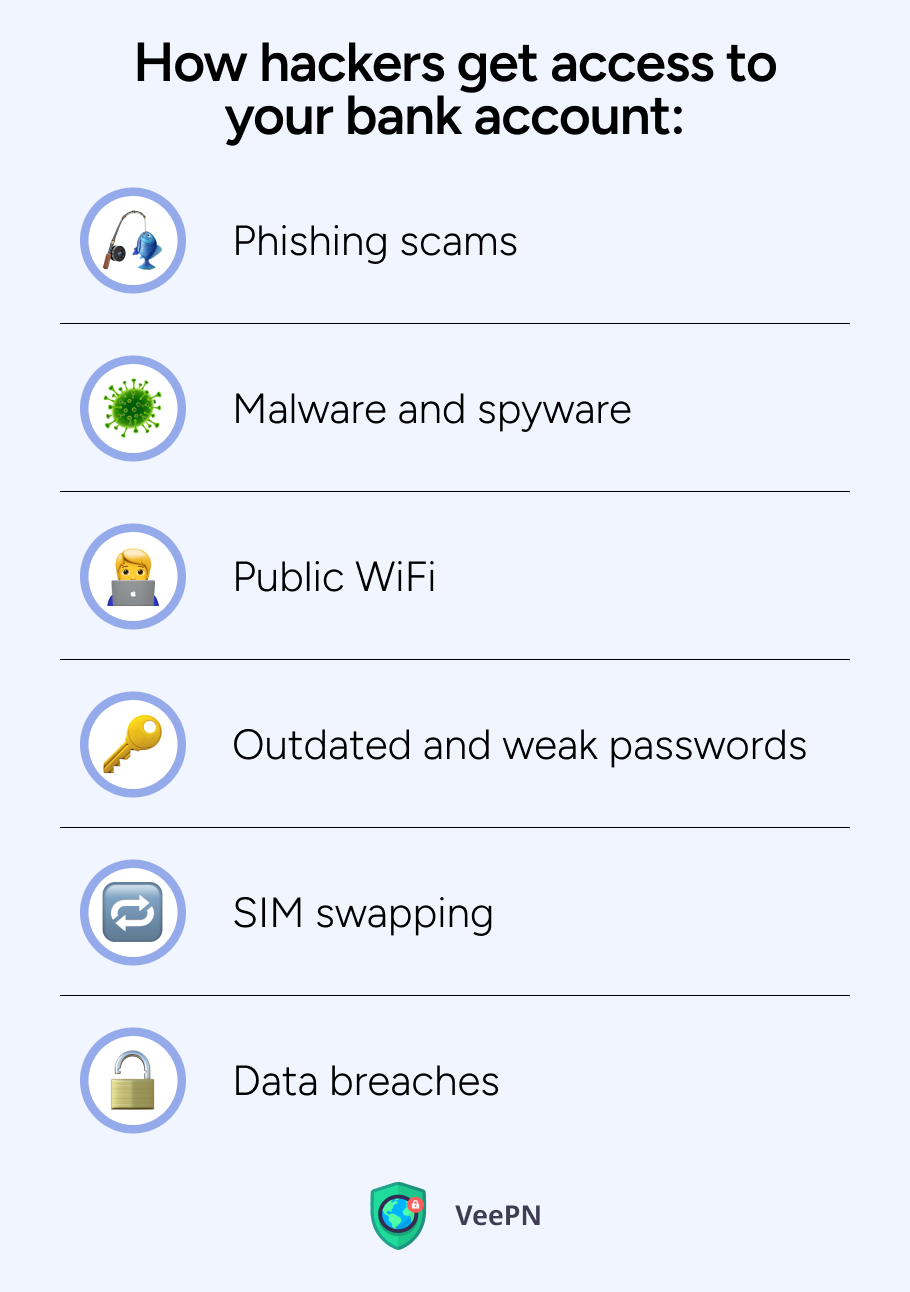
Account takeover occurs when a hacker gains access to your bank account, either by stealing your login credentials or by exploiting a vulnerability in your online banking system. Once the hacker has gained access, they can transfer money out of your account, make unauthorized purchases, or even access sensitive financial information.
Warning Signs of Account Takeover
So, how do you know if your account has been taken over? Here are some common warning signs to watch out for:
- Unusual login activity: If you notice that your account has been accessed from a location you didn't authorize, or if you receive emails or notifications about transactions you didn't make, it could be a sign of account takeover.
- Unexplained transactions: If you notice transactions on your account that you don't recognize, it could be a sign that someone has accessed your account.
- Account alerts: Many banks offer account alerts that notify you of suspicious activity. If you receive an alert, be sure to investigate immediately.
How to Protect Your Account from Account Takeover

Fortunately, there are several steps you can take to protect your account from account takeover:
- Use strong passwords: Use a combination of letters, numbers, and symbols to create a strong password that is difficult for hackers to guess.
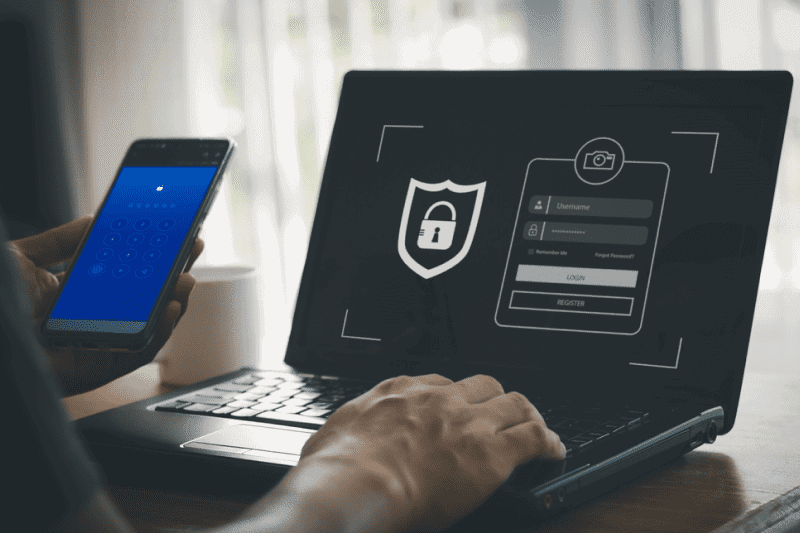
- Enable two-factor authentication: This adds an extra layer of security to your account by requiring you to enter a code sent to your phone or email in addition to your password.
- Monitor your account regularly: Regularly log in to your account and review your transactions to ensure that everything is in order.
- Keep your account information up to date: Make sure your account information is up to date and accurate, including your address and phone number.
- Use a reputable antivirus program: Install a reputable antivirus program on your device to protect against malware and other types of cyber attacks.
- Be cautious of phishing scams: Phishing scams often involve hackers sending you an email or text message that appears to be from your bank, asking you to verify your account information. Be cautious of these types of scams and never provide your account information to anyone who contacts you.
What to Do If You are a Victim of Account Takeover
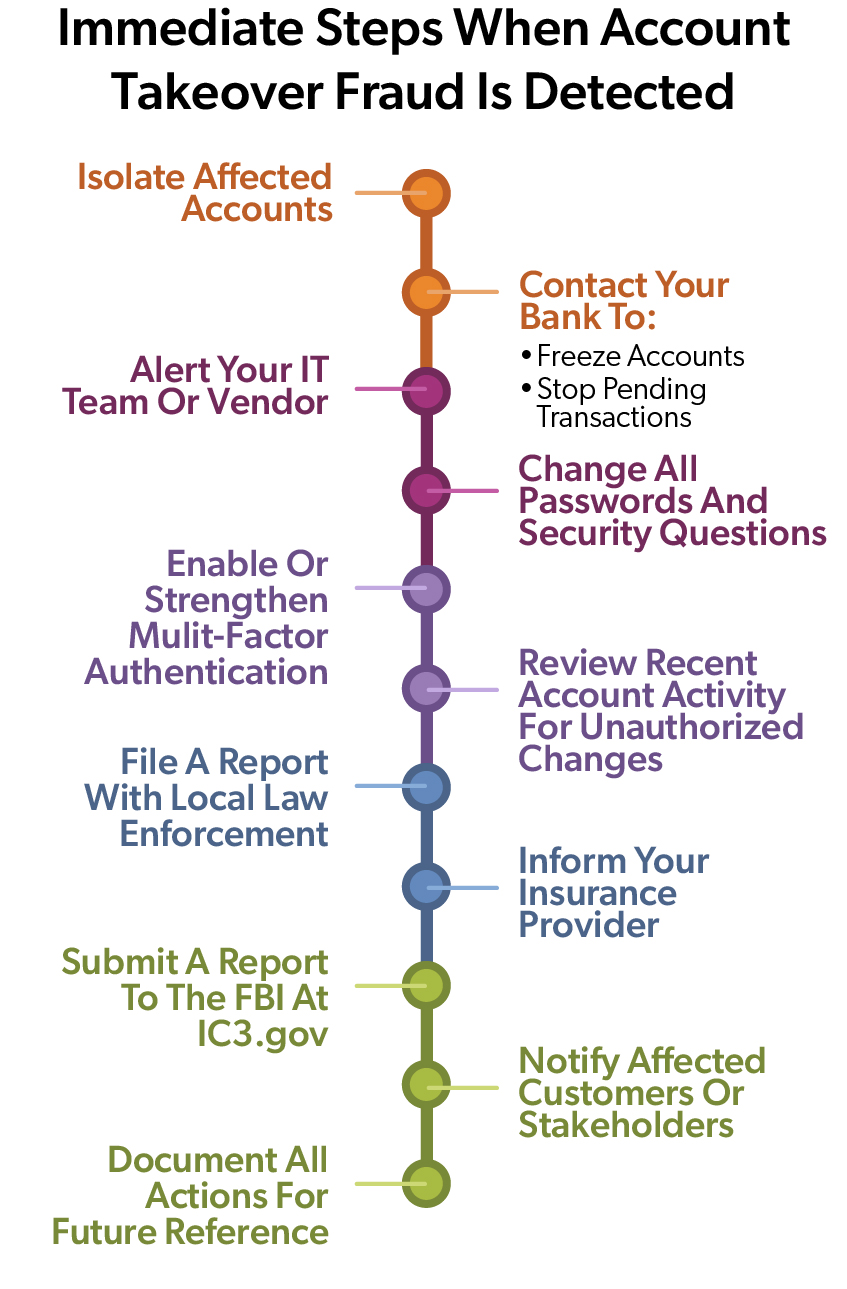
If you suspect that your account has been taken over, here are some steps you can take:
- Contact your bank immediately: Inform your bank of the suspected account takeover and ask for their help in resolving the issue.
- Change your password: Change your password immediately to prevent the hacker from accessing your account.
- Freeze your account: Freeze your account to prevent any further transactions from being made.
- Report the incident: Report the incident to the Federal Trade Commission (FTC) and the bank's fraud department.
Conclusion
Account takeover is a serious threat to your financial security, but by taking the necessary precautions and being aware of the warning signs, you can protect your account and prevent unauthorized access. Remember to use strong passwords, enable two-factor authentication, monitor your account regularly, and be cautious of phishing scams. If you suspect that your account has been taken over, contact your bank immediately and follow the steps outlined above.