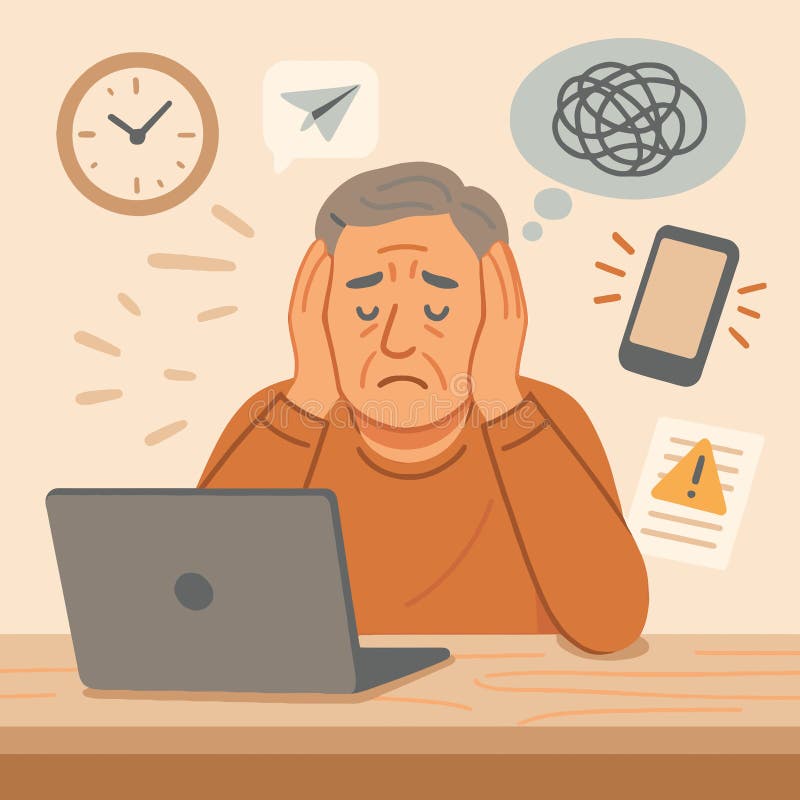
The Causes of Digital Fatigue in Adults: Understanding the Consequences of Excessive Screen Time
Excessive screen time is a growing concern in modern society, with the proliferation of digital devices contributing to increased sedentary behavior and potential hazards to physical health, mental health, and overall well-being. This article will delve into the causes of digital fatigue in adults, examining the various factors that contribute to this debilitating condition.
What is Digital Fatigue? [1]

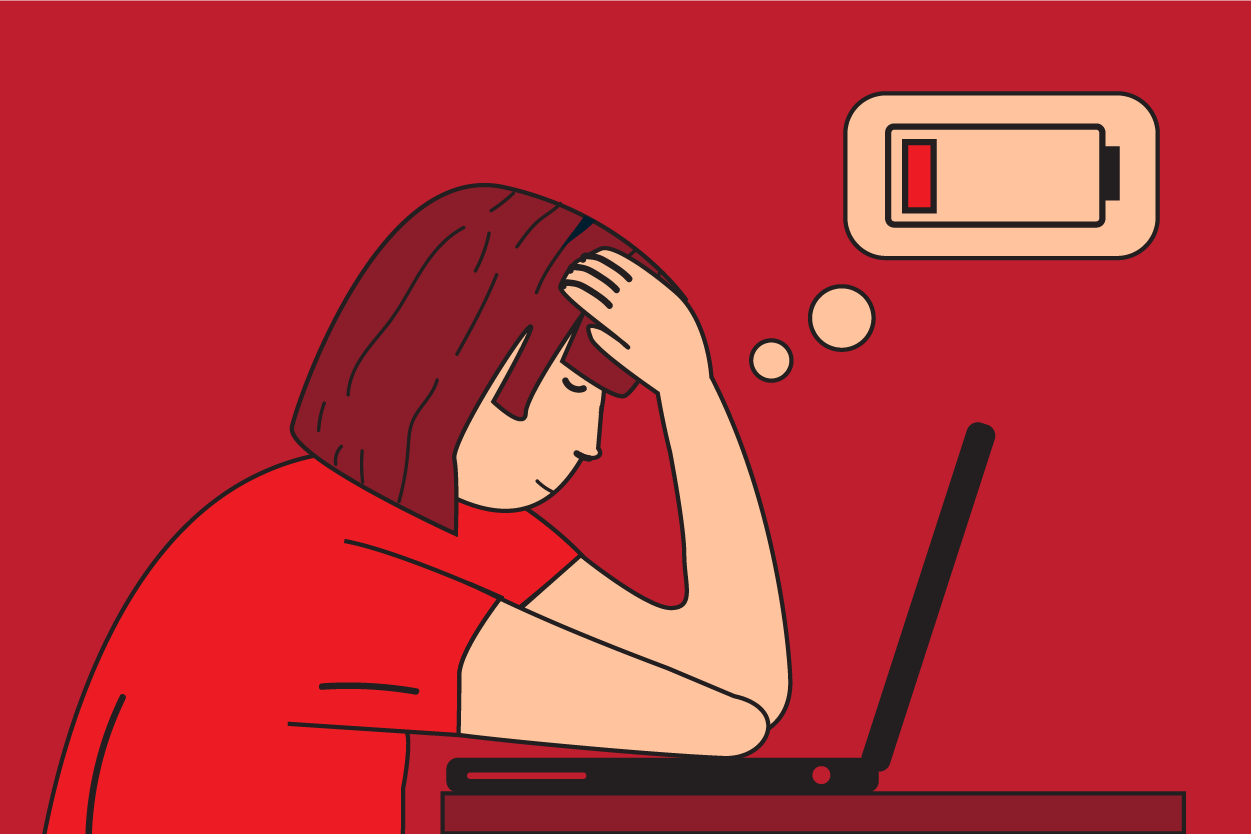
Digital fatigue is defined as physical and mental exhaustion linked to excessive exposure to digital technologies (screens, computers, etc.). In concrete terms, it occurs when an individual makes intensive use of technological tools in their work or personal life.
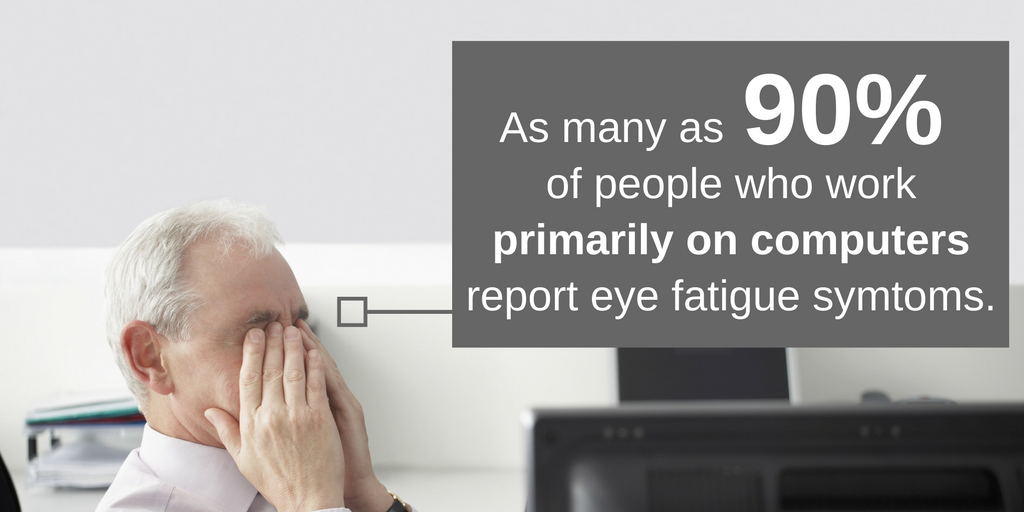
Identifying digital fatigue can be challenging, as its symptoms often overlap with other forms of stress. Emotionally, digital fatigue might manifest as frustration, anxiety, or even depression. You might find yourself easily irritated or feeling a sense of dread when thinking about using digital devices. Physically, digital fatigue can cause eye strain, headaches, and fatigue, making you less productive and less able to enjoy activities.
The Causes of Digital Fatigue in Adults
Digital fatigue is not simply a product of modern technology, but a complex interplay of various factors. Some of the main causes of digital fatigue in adults include:
-
Excessive Screen Time: Spending too much time in front of screens leads to digital fatigue. This can cause eye strain, headaches, and fatigue, making it difficult to concentrate and be productive.
-
Increased Reliance on Digital Devices: Constant connectivity and the need to be constantly available can lead to burnout and mental health challenges.
-
Lack of Digital Balance: Not balancing digital use with physical activity and social interaction can lead to digital fatigue.
-
Dependence on Technology: Relying too heavily on technology to manage tasks and responsibilities can lead to digital fatigue.
-
Sleep Disturbances: Poor sleep quality due to excessive screen time or other factors can contribute to digital fatigue.
Consequences of Digital Fatigue
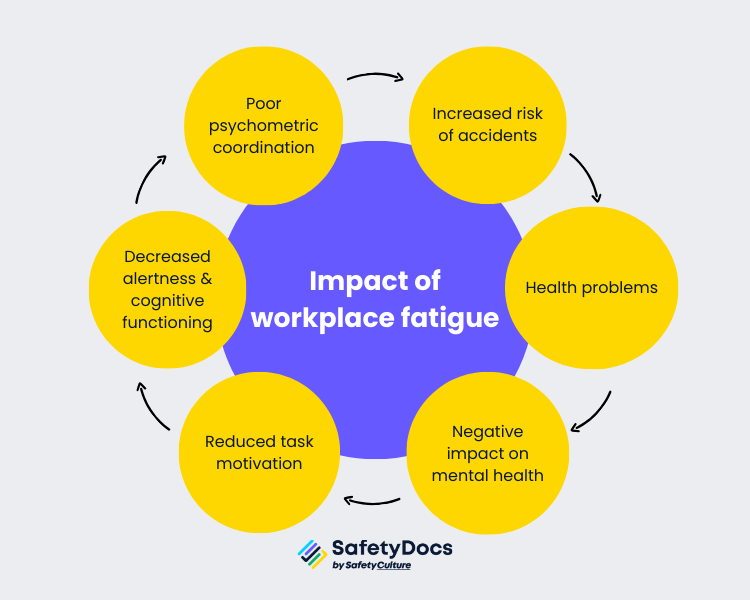
Ignoring digital fatigue can lead to severe consequences, including:
-
Decreased Productivity: Digital fatigue can make it difficult to focus and complete tasks, leading to decreased productivity and job performance.
-
Mental Health Issues: Digital fatigue can contribute to anxiety, depression, and other mental health problems.
-
Strained Relationships: Digital fatigue can lead to irritability and conflict with family and friends.
Prevention and Mitigation Strategies
Preventing or mitigating digital fatigue requires a multi-faceted approach:
-
Set Boundaries: Establish screen-free zones and times in your home and at work.
-
Practice Digital Detox: Regularly disconnect from digital devices to recharge and reduce fatigue.
-
Engage in Physical Activity: Regular exercise and physical activity can help reduce digital fatigue.
-
Use Digital Tools Wisely: Utilize features like screen time tracking and app blockers to manage your digital use.
-
Seek Support: If digital fatigue persists, consider seeking help from a mental health professional.
Conclusion
Digital fatigue is a growing concern in modern society, affecting adults in various ways. By understanding the causes of digital fatigue and implementing prevention and mitigation strategies, individuals can reduce its effects and maintain their overall well-being.
References:
The Digital Life Survey Deloitte Center for Technology, Media & Telecommunications WebMD Computer Vision Syndrome