The Effects of Constant Tech Use on Mental Health
As technology continues to play a larger role in our lives, it's becoming increasingly clear that the effects of constant tech use on mental health are significant. While technology offers many benefits, such as connecting us with others and making it easier to access information, excessive and prolonged use can have a negative impact on our mental wellbeing.
Why Constant Tech Use Matters
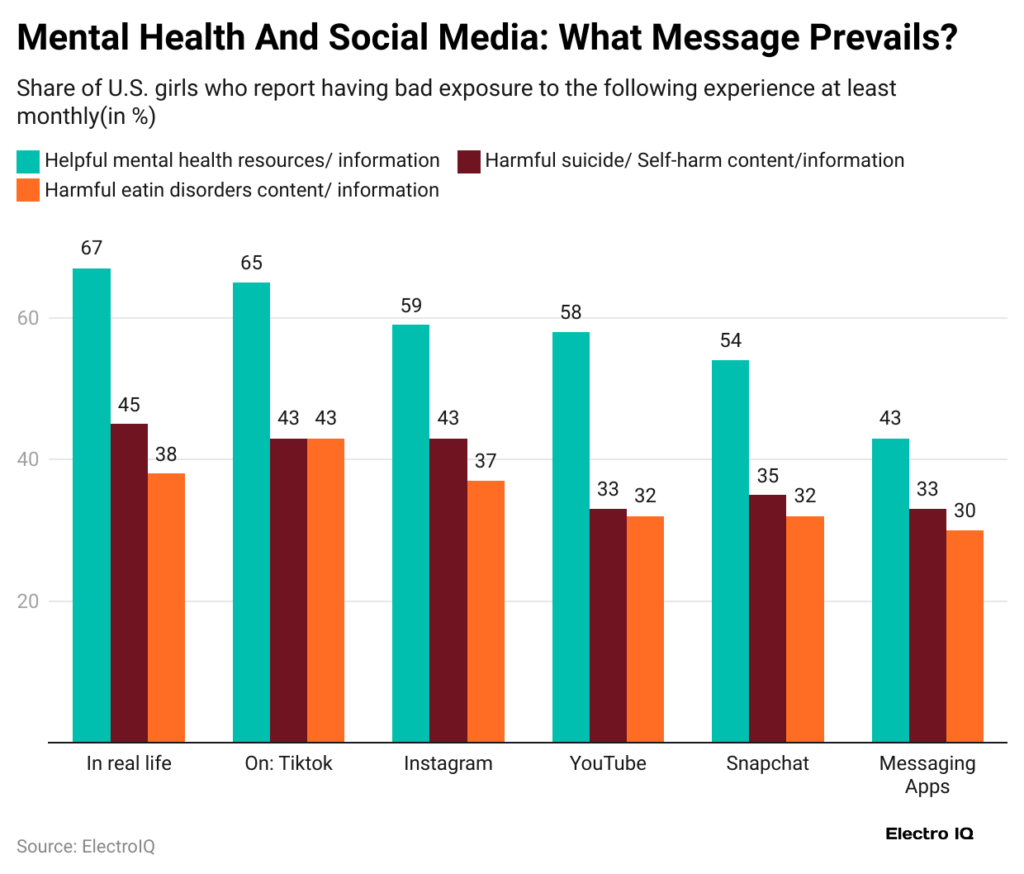
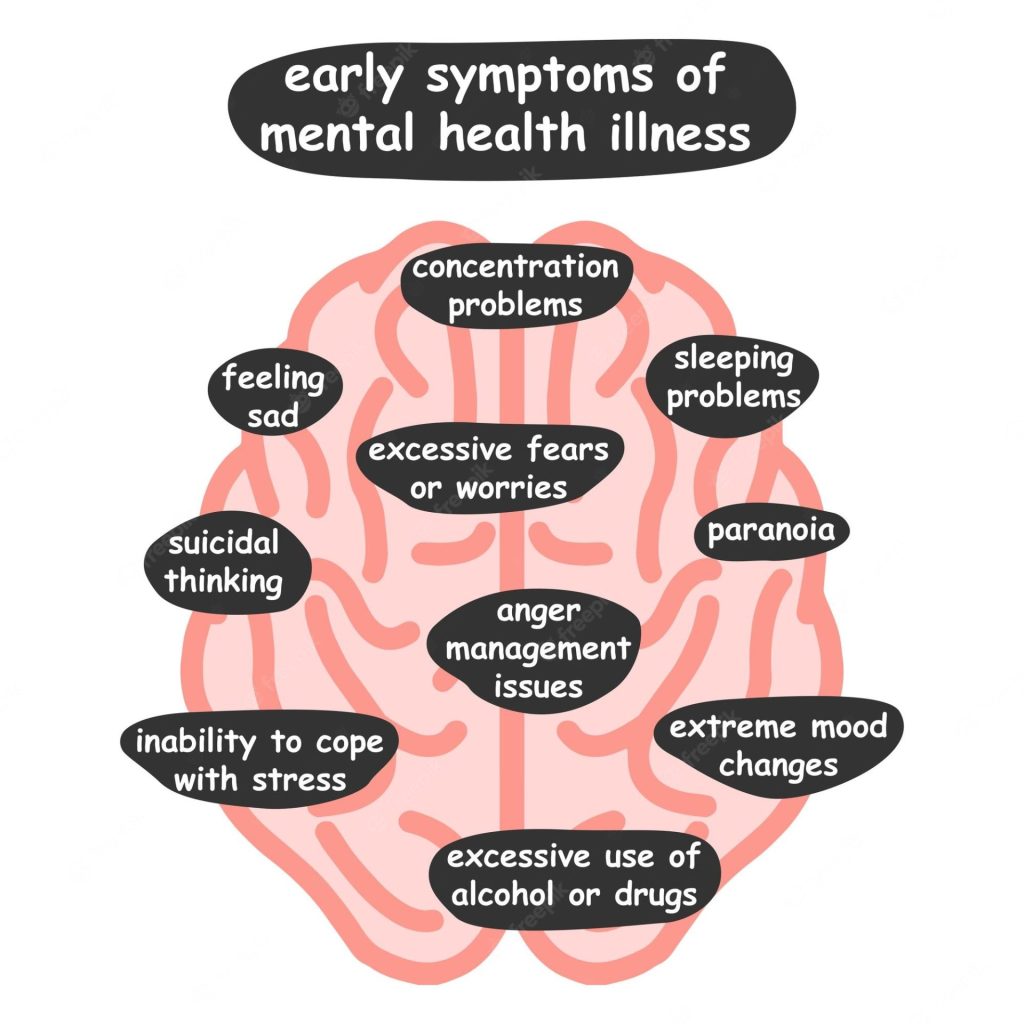
The relationship between technology use and mental health is complex and multifaceted. Excessive screen time, social media use, and other forms of digital technology use have been linked to a range of negative effects, including anxiety, depression, and social isolation.
- Anxiety and Depression**: Studies have shown that excessive technology use can contribute to increased symptoms of anxiety and depression, particularly in young people. This may be due to the constant stream of notifications, updates, and comparisons that can lead to feelings of overwhelm and inadequacy.
- Social Isolation**: While technology can connect us with others, it can also lead to social isolation. People who spend more time online may spend less time engaging with others in person, leading to feelings of loneliness and disconnection.
- Cognitive Decline**: Excessive technology use has also been linked to cognitive decline, including decreased attention span, memory, and problem-solving skills. This may be due to the constant distraction and multitasking that can lead to mental fatigue.
- Physical Health Problems**: Finally, excessive technology use has been linked to a range of physical health problems, including sleep disturbances, back and neck pain, and eye strain.
Setting Boundaries: Strategies for Reducing the Negative Effects of Technology
So how can we reduce the negative effects of constant tech use on mental health? Here are a few strategies to consider:

- Set Boundaries**: Establish clear boundaries around technology use, including setting limits on screen time, particularly on social media. This can help prevent digital overload and reduce the risk of digital addiction and social comparison.
- Practice Mindfulness**: Make an effort to be more mindful of your technology use, including being aware of your body language and behavior when using devices. This can help you stay present and focused, rather than getting caught up in the constant stream of notifications and updates.
- Find Alternative Activities**: Engage in alternative activities that can help you relax and reduce stress, such as exercise, meditation, or creative pursuits.
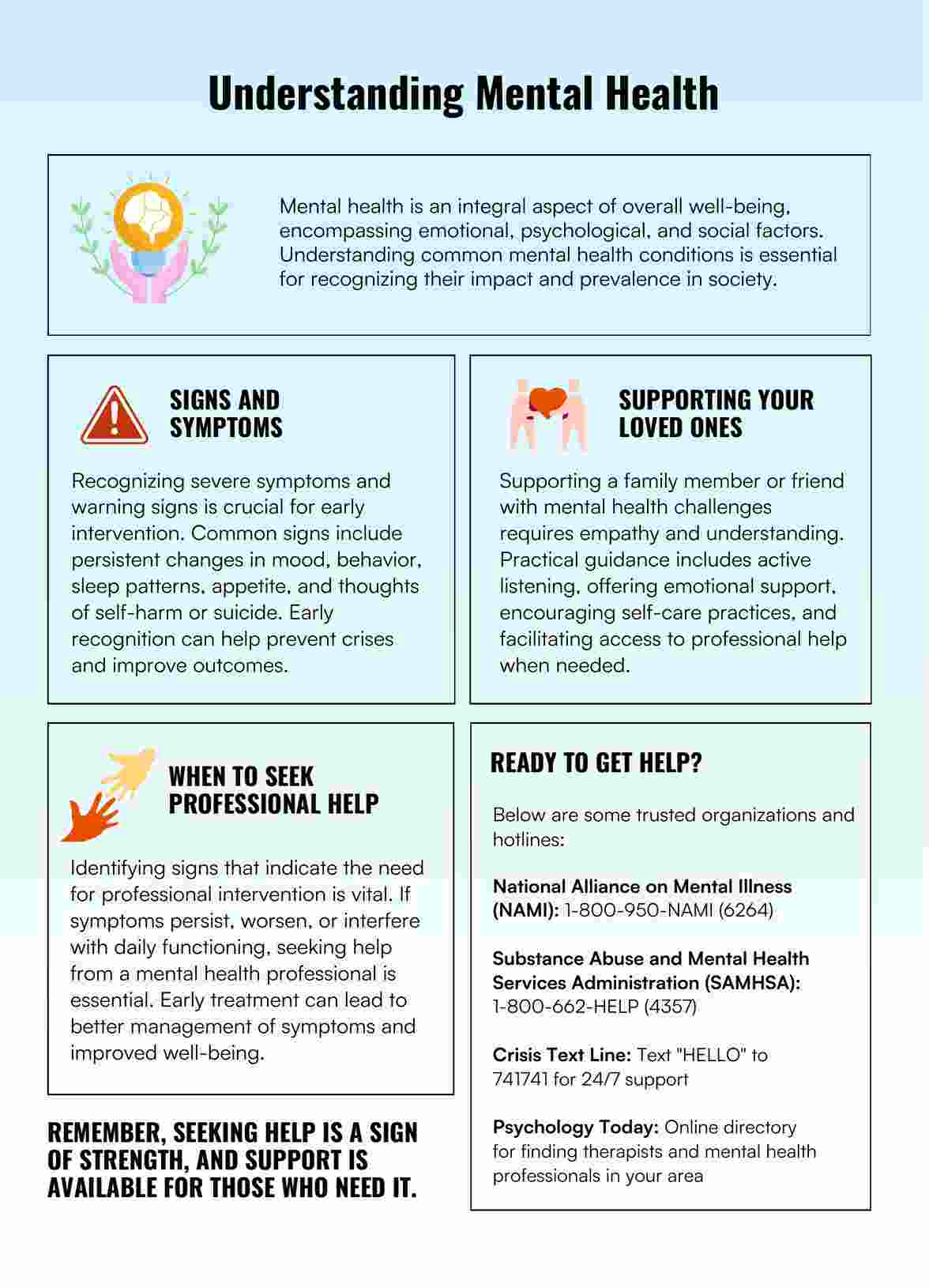
- Seek Support**: If you're struggling with mental health issues related to technology use, consider seeking support from a mental health professional. They can help you develop a plan to manage your technology use and improve your mental wellbeing.
Conclusion
The effects of constant tech use on mental health are significant, and it's essential that we take steps to mitigate the negative effects. By setting boundaries, practicing mindfulness, finding alternative activities, and seeking support, we can reduce the risk of digital addiction and improve our mental wellbeing. With these strategies, we can harness the benefits of technology while maintaining a healthy and balanced lifestyle.
References
- Azzahra, M. et al. (2022). The effects of excessive technology use on mental health: A systematic review. Computers in Human Behavior, 117, 102988.
- Hawkley, L. C. et al. (2015). Perceived social isolation in an urban population: A systematic review. Philosophical Transactions of the Royal Society B, 370(1669), 20150054.
- U.S. Department of Health and Human Services. (2020). Mental health and technology. Retrieved from https://www.hhs.gov/ohrp/regulations-and-policy/mental-health-technology/index.html