Identifying and Treating Bed Bug Bites on Skin
Bed bug bites on skin can be a frustrating and uncomfortable experience, causing itchy sores and discomfort. Bed bugs are stealthy pests that can infest homes and businesses, sneaking into even the cleanest environments to feed on human blood. In this article, we'll explore the appearance of bed bug bites on skin, how to identify them, and effective treatments to alleviate discomfort.
What Do Bed Bug Bites Look Like?
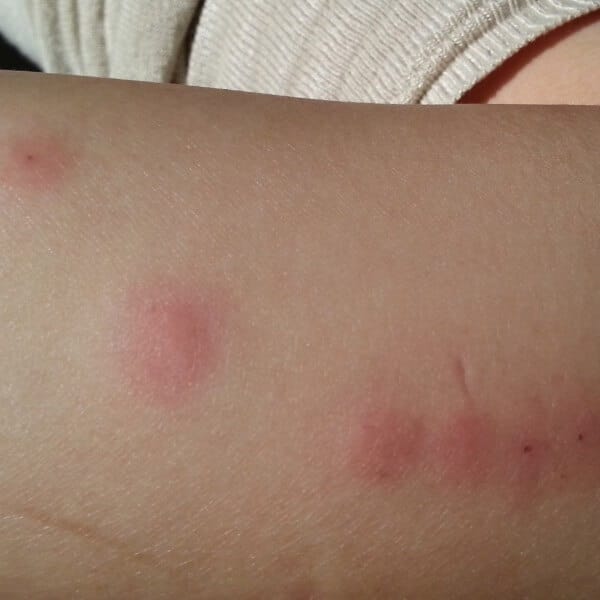
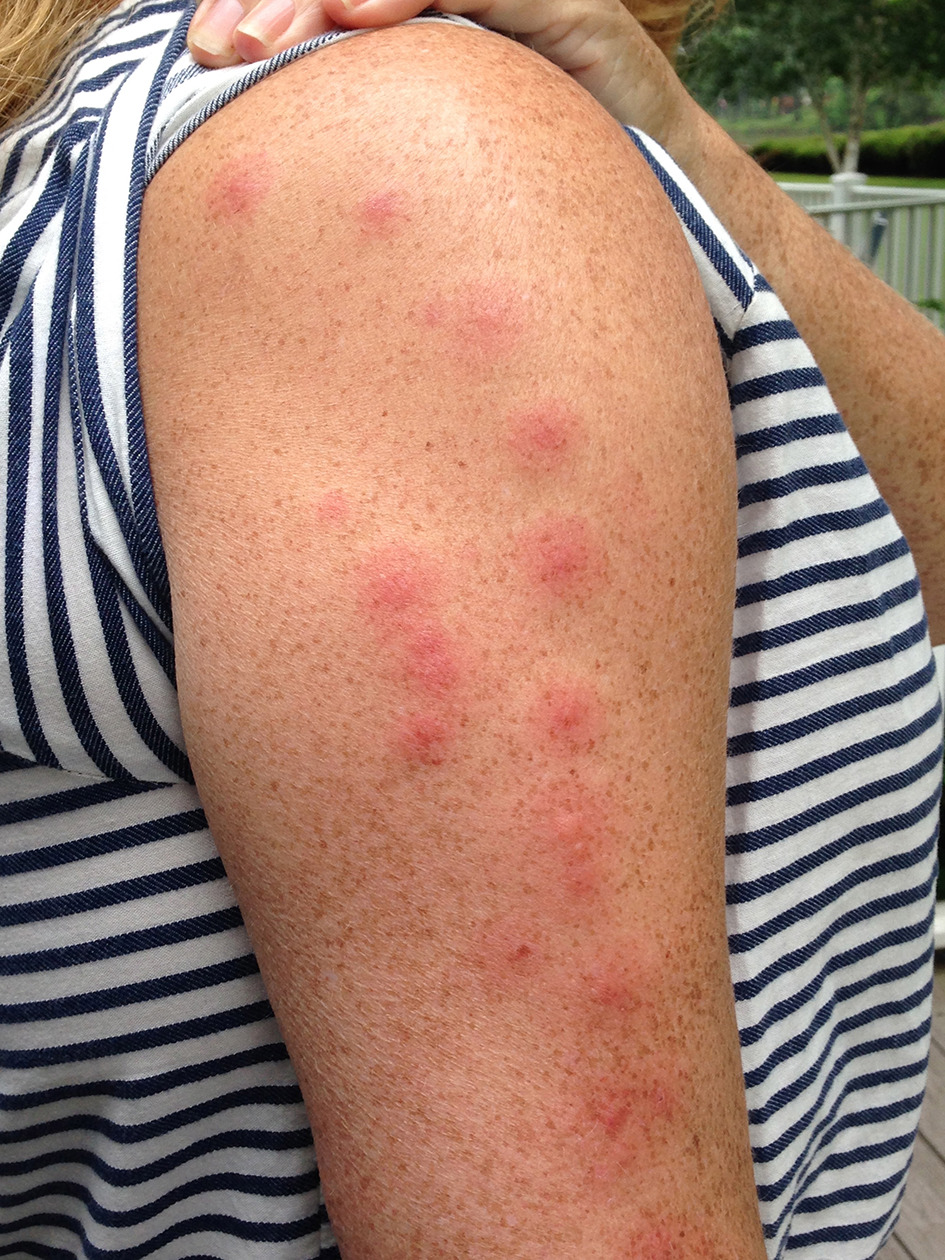
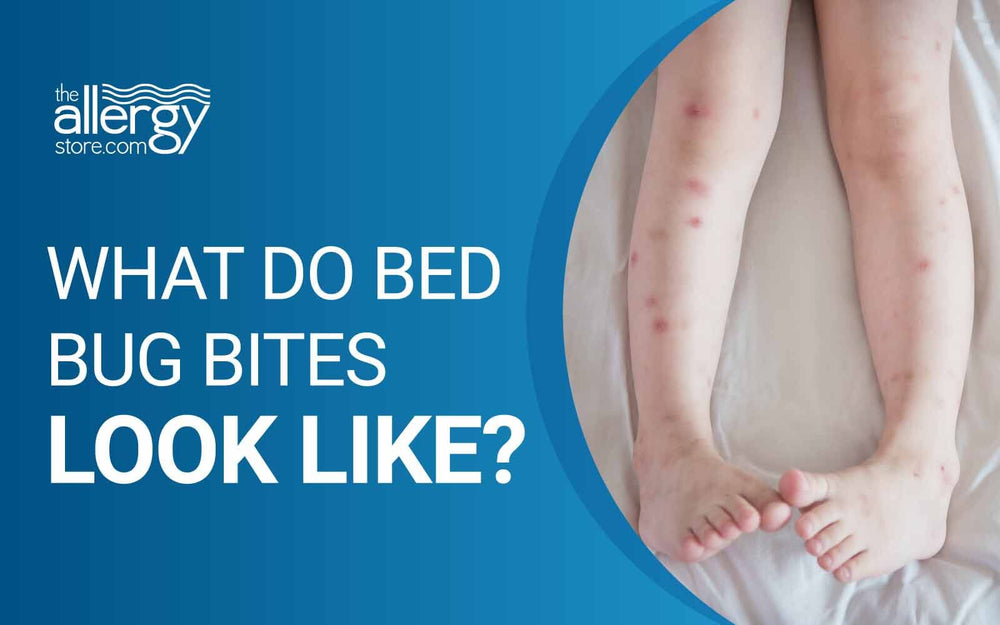
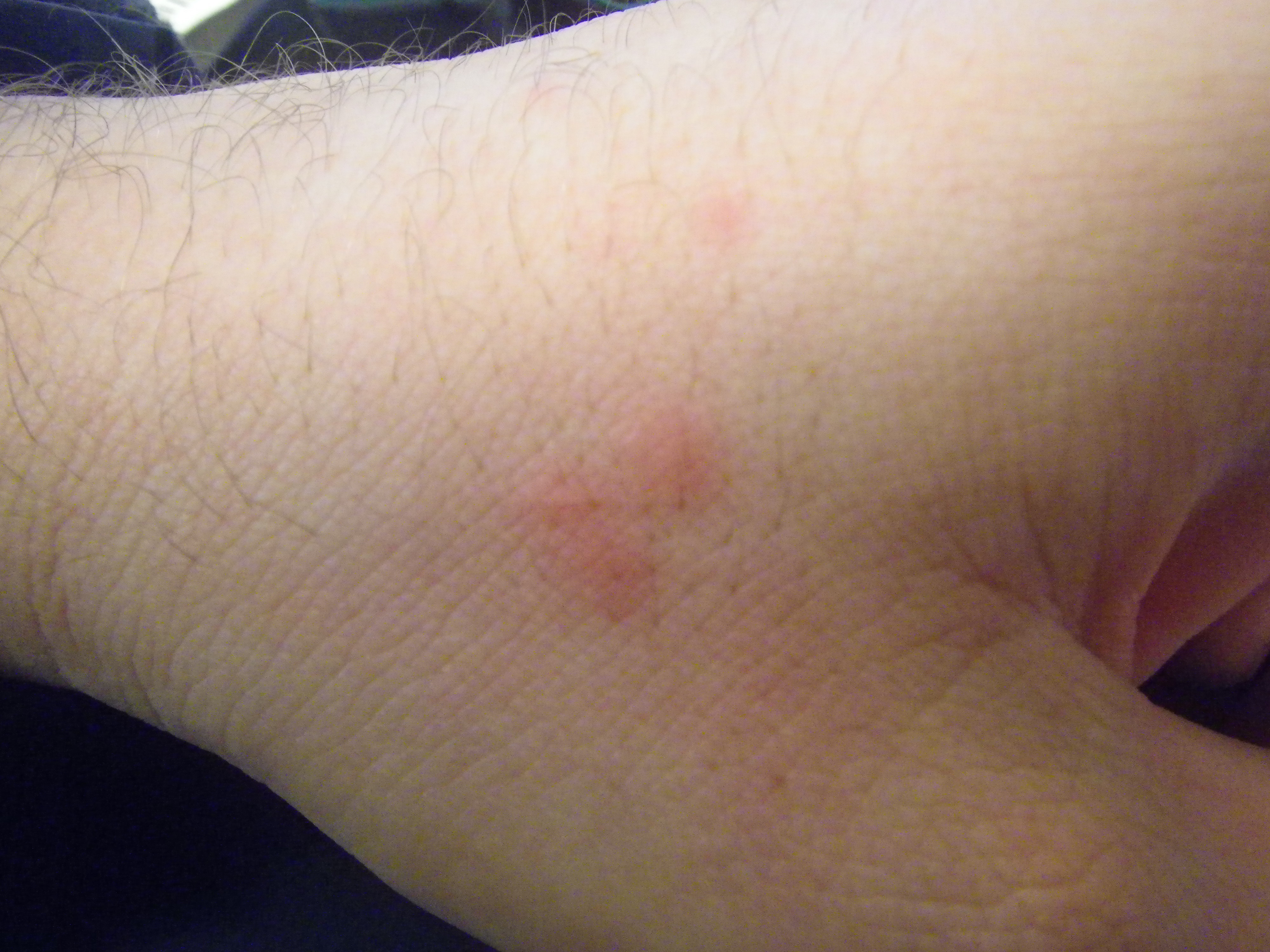
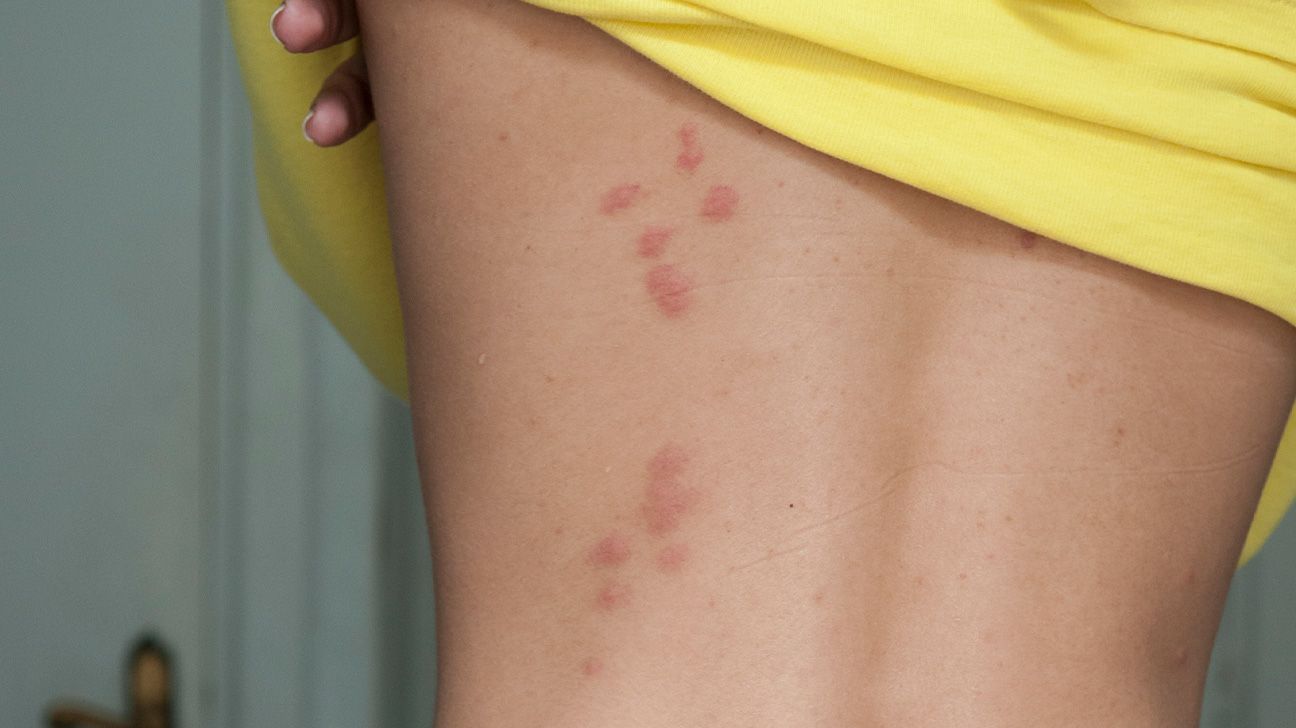
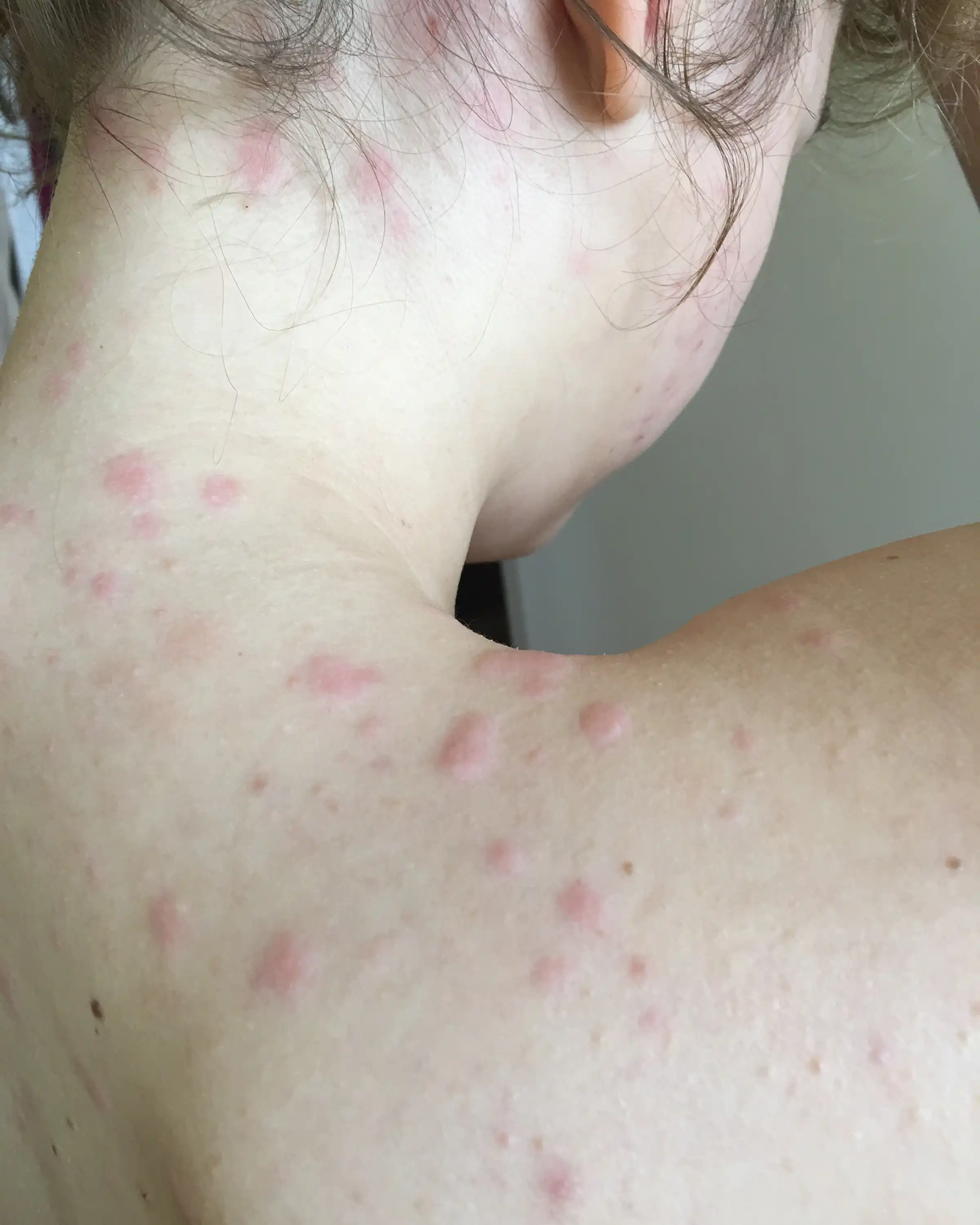
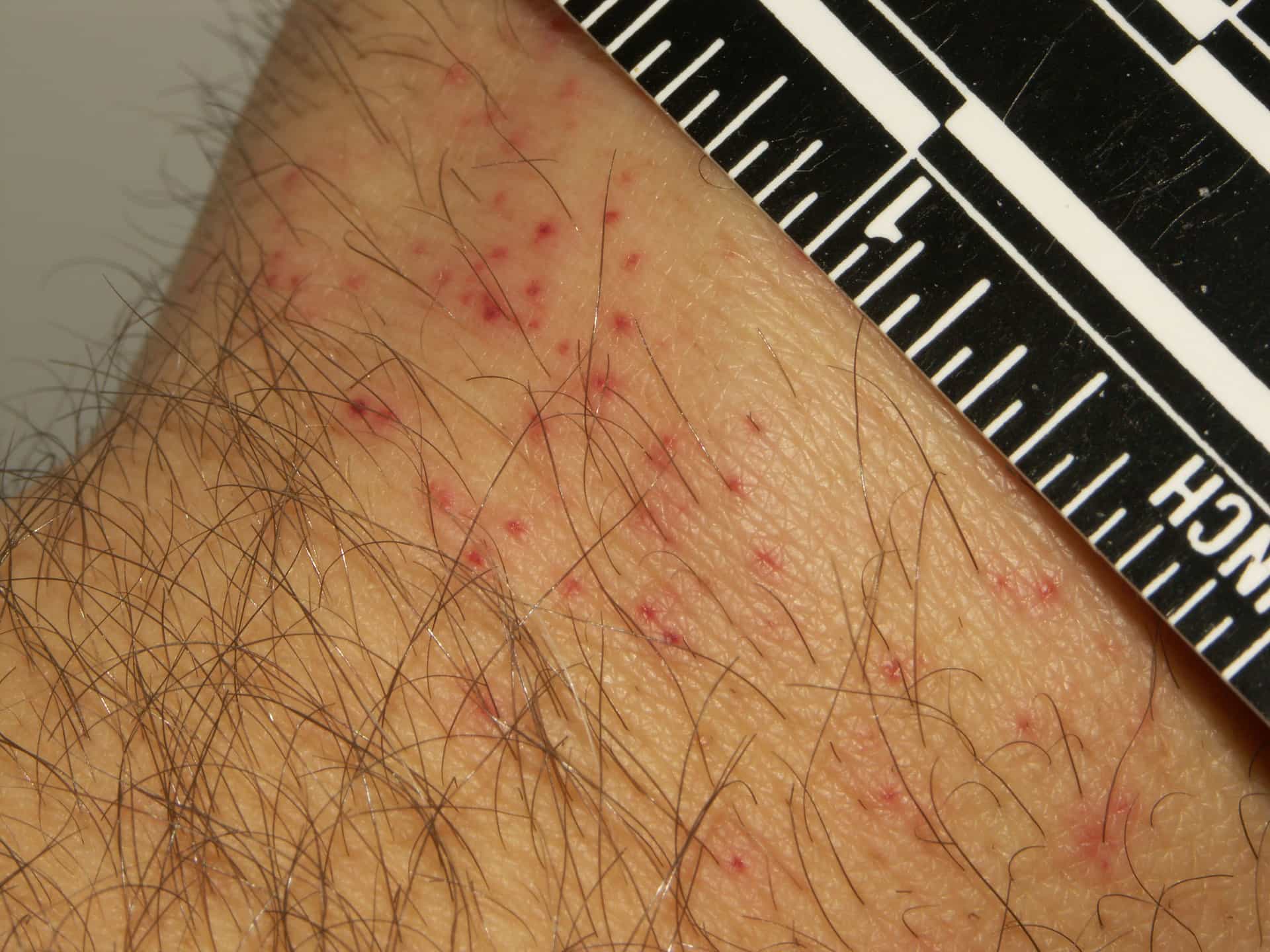
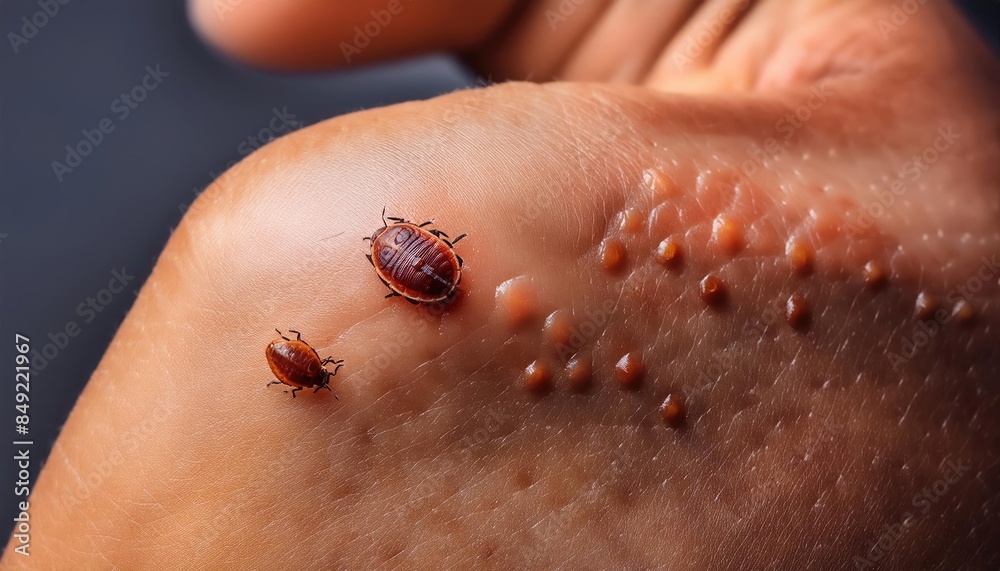
Bed bug bites typically appear as small, red bumps on the skin, often in clusters or lines. They can be as small as 2-5mm in diameter and may be flat or slightly raised, depending on individual skin sensitivity. The bites can also form in a zigzag or random pattern, with the bites appearing in multiple locations and often accompanying other symptoms like itching and skin irritation.
Identifying Bed Bug Bites
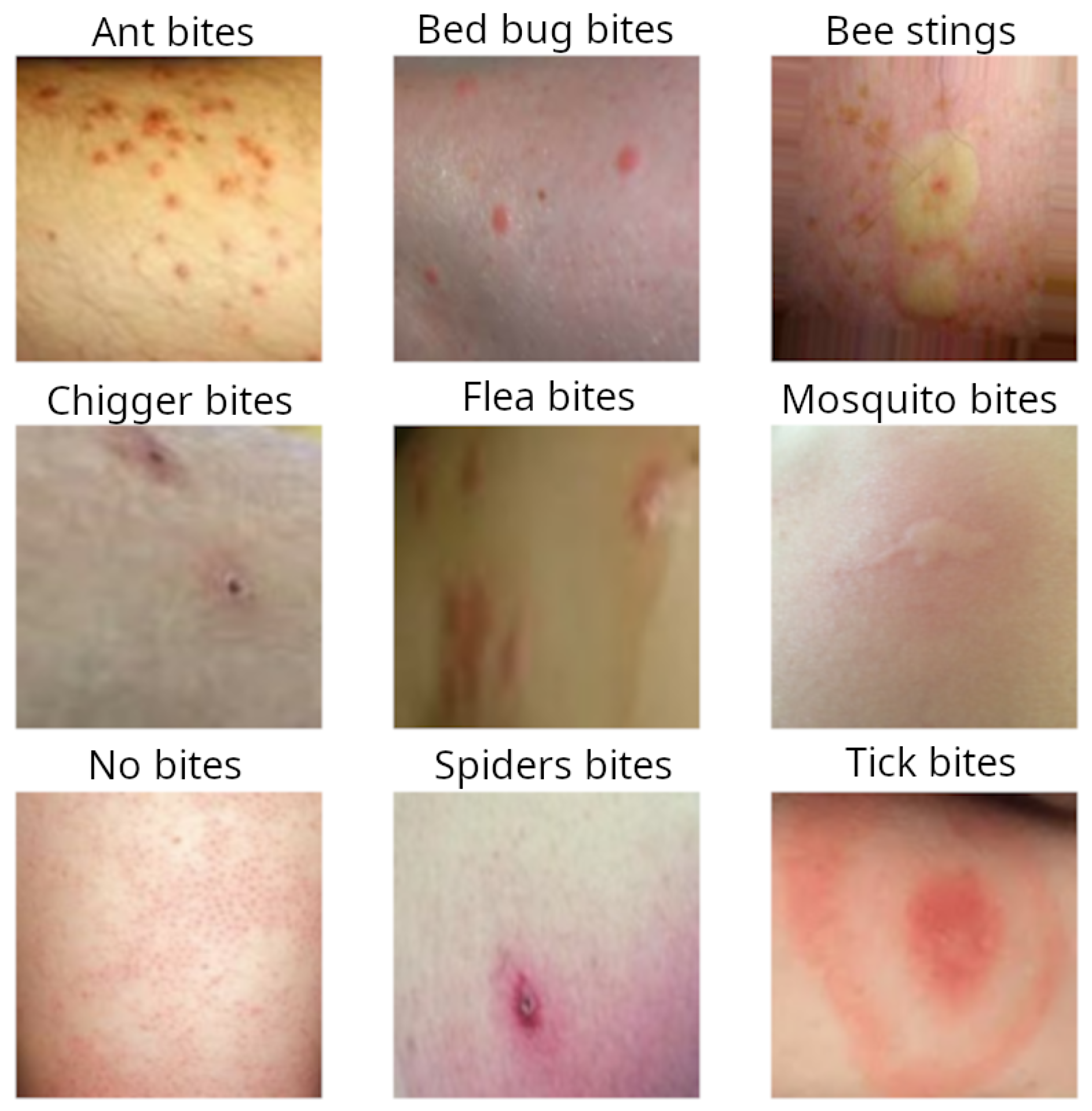
While bed bug bites can be tricky to diagnose, they share some distinct characteristics that can help distinguish them from other insect bites. These include:
- Linear pattern: Bed bugs often bite in a line as they walk along your skin, creating rows of 3-5 bites known as the "breakfast, lunch, and dinner" pattern.
- Red, flat welts: Bites are typically small and flat or slightly raised red marks.
- Delayed reaction: Bed bug bites may not appear immediately after being bitten, and it can take hours or days for the reaction to set in.
- Clustered pattern: Bites often appear in clusters or lines, especially on exposed skin areas like the neck, arms, and hands.
Treating Bed Bug Bites
For mild cases, bed bug bites can be treated at home with over-the-counter medications and self-care measures. Over-the-counter antihistamines or corticosteroid creams can help alleviate itching and reduce inflammation. Topical creams or ointments containing calamine or hydrocortisone can also provide quick relief.
Home Remedies and Self-Care
For mild bed bug bites:
- Wash the affected area with soap and water to clean it and reduce the risk of infection.
- Apply a topical cream or ointment to soothe the itchy skin and reduce inflammation.
- Use a cold compress or an ice pack to reduce itching and swelling.
- Take an oral antihistamine, if prescribed, to alleviate itching and discomfort.
When to Seek Medical Attention
For severe reactions, extensive bites, or secondary infections, medical attention may be necessary. These signs include:
- Swollen, painful bumps that look like pimples or spider bites.
- Redness, swelling, and oral anaphylaxis (botfly-like reaction to bed bug bites).
- Loss of consciousness or severe breathing difficulties.
Preventing Future Bed Bug Infestations
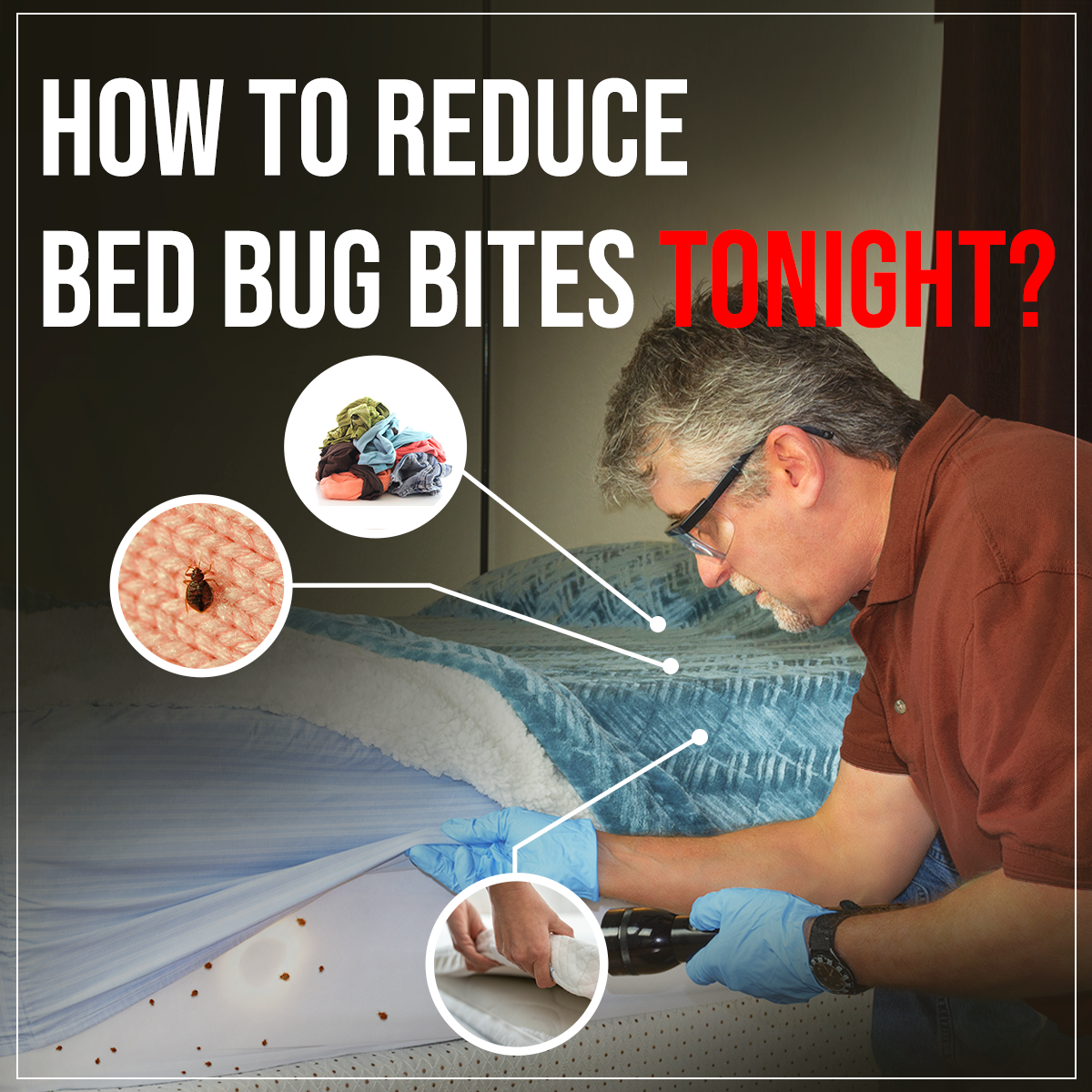
Prevention is key to avoiding the discomfort and frustration of bed bug bites on skin. Here are some effective tips to prevent future infestations:
- Check for signs of bed bugs: Look for small, flat, or raised marks or red lesions or flat or raised itchy skin on the skin.
- Inspect second-hand furniture: Bed bugs can hide in used furniture, so carefully inspect any new items before bringing them into your home.
- Wash and dry bedding regularly: Regularly washing and drying bedding on hot settings can help reduce the risk of bed bug infestations.
- Use mattress encasements: Use bed bug-proof mattress encasements to keep bed bugs from getting inside.
- Seal crevices and cracks: Use caulk to seal any gaps around windows, doors, and baseboards to prevent bed bugs from escaping or entering your home.
Conclusion
Bed bug bites on skin can be a painful and uncomfortable experience. By learning to identify bed bug bites and taking the right steps to treat them, you can alleviate discomfort and prevent future infestations. Remember, prevention is key. Regularly inspect your home, use measures to seal any gaps and crevices, and consider seeking medical attention if you experience severe reactions or secondary infections.


:max_bytes(150000):strip_icc()/Health-bed-bug-bite-7375267-Horiz-v1-00de2c01584b4e8c85389587fe3f0829.jpg "Bed bug bites: How to spot and get rid of bed bugs - CVS")