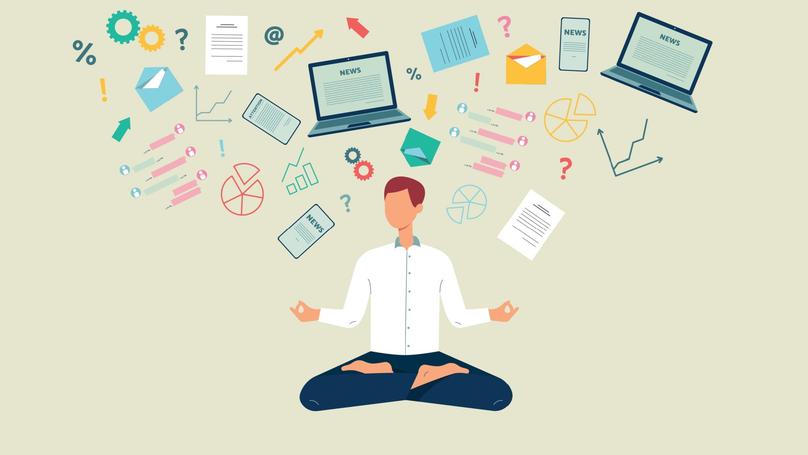
The Effects of Digital Information Overload on Mental Health
In today's digitally connected world, it's no secret that we're facing an unprecedented amount of information. The constant stream of social media updates, email notifications, and instant messaging can be overwhelming, leaving us feeling drained, anxious, and stressed. This phenomenon, known as digital information overload, has a profound impact on our mental health, and it's essential to understand its effects and strategies for managing it.
Causes and Effects of Digital Information Overload
Digital information overload occurs when the volume, speed, and complexity of incoming data exceed our cognitive processing capacity, leading to mental fatigue, decision paralysis, and a host of other negative effects. Symptoms include anxiety, sleep disruption, and physical strain, making it essential to develop proactive coping strategies to mitigate these effects.
According to the American Psychological Association (APA), the constant barrage of information and distractions that come with digital technology can overload the brain, making it difficult to process information and retain it. This overconsumption of digital information can lead to a decrease in attention span, memory, and critical thinking skills, ultimately affecting our mental health and well-being.
The Impact on Mental Health
The effects of digital information overload on mental health are far-reaching and multifaceted. Chronic information overload has been linked to:
- Anxiety and chronic stress
- Constant exposure to alarming headlines and urgent alerts, keeping our nervous system in a low-grade state of threat
- Mental burnout, characterized by emotional exhaustion, cynicism, and reduced performance
- Reduced productivity, creativity, and innovation
- Increased risk of depression, anxiety disorders, and other mental health conditions
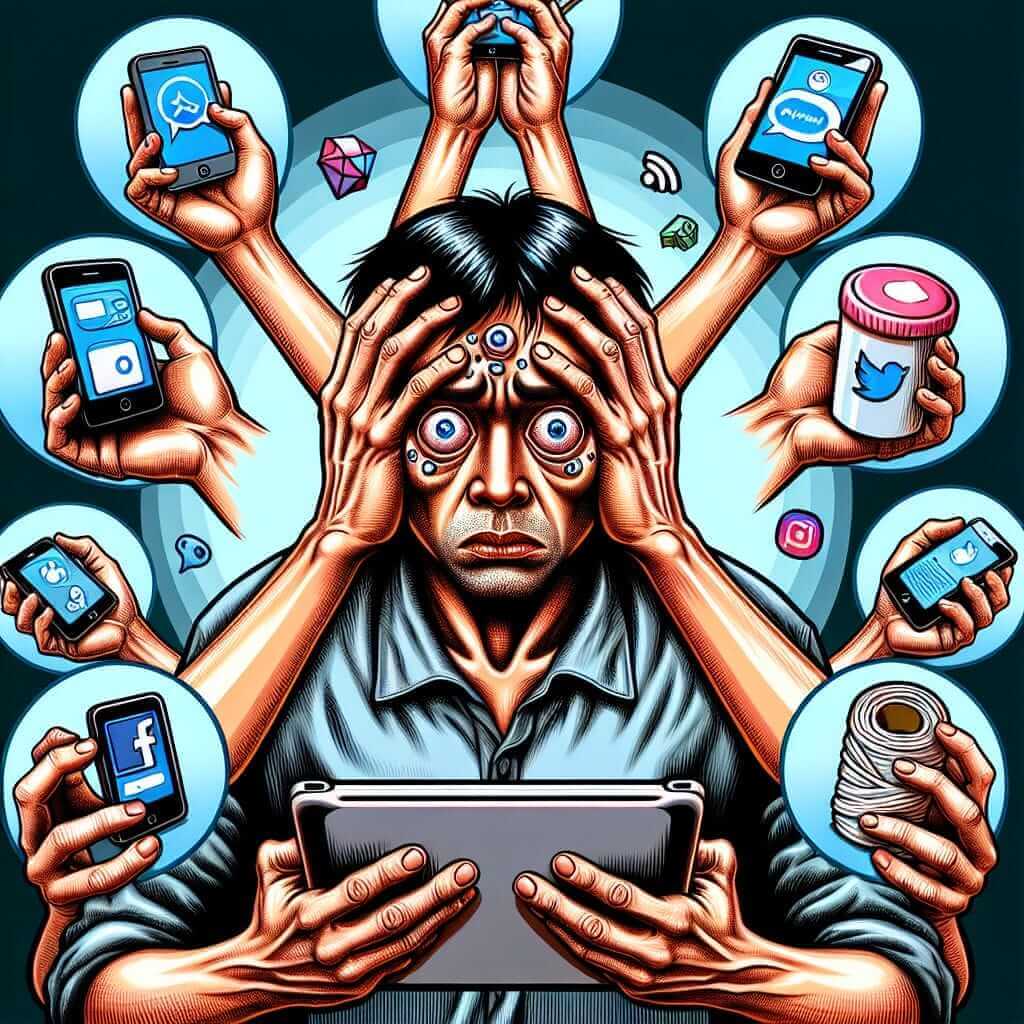
Strategies for Managing Digital Information Overload
To mitigate the effects of digital information overload on mental health, it's essential to develop strategies for managing digital habits. Some effective techniques include:
- Limiting screen time to 2 hours per day outside work
- Implementing a "no-screen" policy during meals, bedtimes, or specific relaxation times
- Using website blockers or app restrictors to minimize digital distractions
- Engaging in offline activities, such as exercise, reading, or hobbies
- Practicing mindfulness, meditation, or yoga to reduce stress and increase focus
Conclusion
In conclusion, the effects of digital information overload on mental health are real and significant. By understanding the causes and effects of this phenomenon and implementing strategies for managing digital habits, we can reduce its impact on our mental well-being. It's essential to recognize the importance of digital information overload as a contributory factor to mental health issues and take proactive steps to mitigate its effects.
References
- American Psychological Association. (n.d.). Digital information overload.
- Lin, F. R., Ferrucci, L., Hershowitz, M., & Prestonlash, A. (2015). The effect of digital information overload on brain activity.
- Common Sense Media. (n.d.). The effects of digital information overload on mental health.
- Harvard Mental Health Letter. (n.d.). The impact of social media on mental health.
- Mental Health America. (n.d.). Digital overload and mental health.