The Effects of Technology on Attention
Today's fast-paced digital world has transformed the way we interact, communicate, and consume information. While technology has undoubtedly brought numerous benefits, a growing body of research suggests that its impact on attention is far from neutral. In this article, we'll delve into the complex relationship between technology and attention, exploring both its positive and negative effects.
The Digital Age: A Constant Distraction
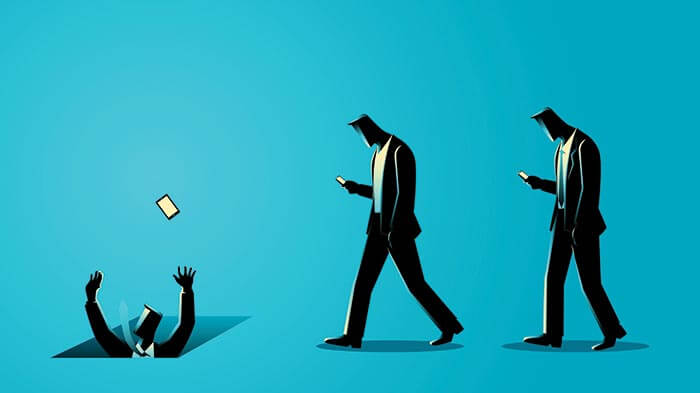
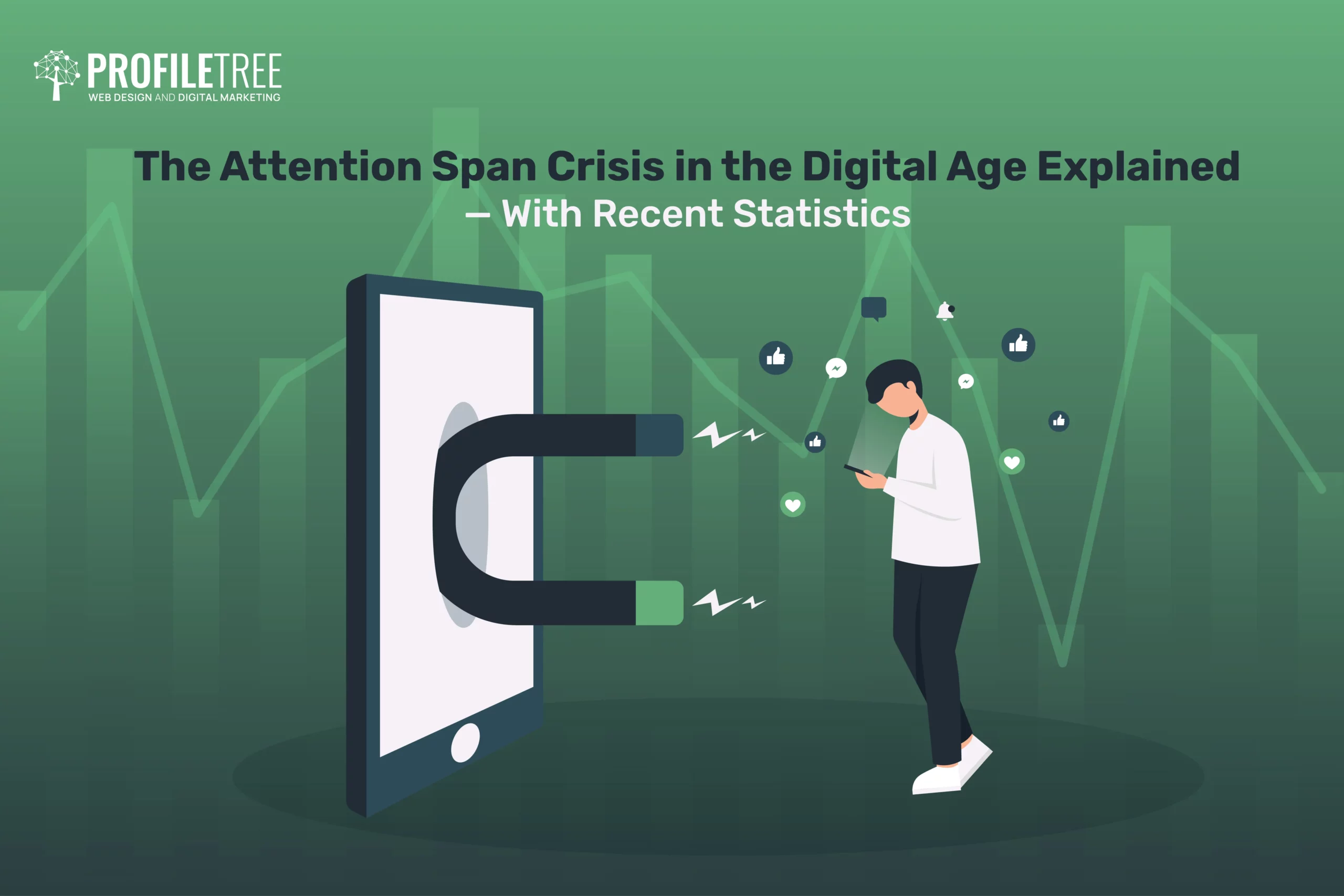
The widespread use of digital devices, social media, and the internet has led to an unprecedented level of distraction. Studies have shown that the constant need for instant gratification and catnip-like notifications can impede our ability to focus and maintain attention. Heavy multitaskers, for instance, have been found to perform worse on tasks that require sustained attention compared to their light-multiplying counterparts (Ophir et al., 2009).
The distracting nature of technology is not limited to individual use. Social media platforms, designed to capture our attention through algorithms that exploit our psychological vulnerabilities, often lead to shallow engagement and decreased attention span. A study by Gloria Mark, PhD, reveals that people can take around 25 minutes to regroup after an interruption, which can put a substantial strain on concentration and productivity.
From Distraction to Distortion
While technology's impact on attention is well-documented, the neurobiological mechanisms underlying this phenomenon remain poorly understood. Research has shown that excessive screen time can contribute to changes in the brain's reward system, making us more prone to addiction and decreased self-control. Furthermore, exposure to blue light, which peaks with artificial lighting, can disrupt our circadian rhythms, leading to difficulties in falling asleep and maintaining focus during the day.
The impact of technology on attention is further complicated by the blurring of lines between work and leisure. The proliferation of digital devices has created a culture of constant availability, where individuals feel compelled to respond to notifications and messages at all hours. This perpetual connectedness can lead to a state of heightened stress, reducing our ability to focus and maintain attention in the long term.
Seeking Balance: A Solution in Sight
While technology's effects on attention are far from ideal, there is hope for mitigating its negative consequences. One solution lies in adopting a balanced approach to technology use. By implementing digital literacy programs, teaching healthy screen habits, and promoting critical thinking, we can empower individuals to harness the benefits of technology while minimizing its distractions.
Another promising area of research concerns the development of AI-powered tools that can help individuals manage their attention and reduce distractions. This includes AI-facilitated learning platforms, which can adapt to individual learning styles and provide personalized feedback to enhance focus and concentration.
Conclusion
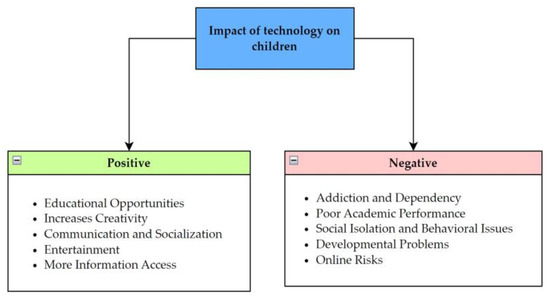
As we navigate the complexities of the digital landscape, it's essential to acknowledge both the benefits and drawbacks of technology's impact on attention. By recognizing the risks and developing strategies to mitigate them, we can harness the potential of technology to enhance our attention and cognitive abilities.
By understanding the effects of technology on attention, we can begin to create a more balanced and sustainable relationship with our devices. By taking control of our technology use and cultivating a deeper understanding of the underlying mechanisms, we can unlock the full potential of attention, unlocking greater creativity, productivity, and overall well-being.
References:
Mark, G. (2018). Technologies of engagement and attachment: A study of attentional guidance in the human-computer interface. Proceedings of the ACM on Human-Computer Interaction, 2(CSCW), 1-31.
Ophir, E., Nass, C., & Wagner, A. D. (2009). Cognitive control in media multitaskers. Proceedings of the National Academy of Sciences, 106(37), 15583–15587.
Wilmer, J. B., Dobson, K. R., & Cheong, J. B. (2017). Neural correlates of behavior in a media multitasking paradigm. Cognitive Neuroscience, 10(3), 119–130.