Can Pregnant Women Take Honey for Digestive Health?
As a pregnant woman, maintaining a healthy digestive system is crucial for the well-being of both you and your unborn baby. One natural sweetener that has gained popularity for its potential health benefits is honey. However, before incorporating honey into your diet, it's essential to understand whether it's safe for pregnant women and its benefits for digestive health.The Safety of Honey During Pregnancy
The primary concern regarding honey consumption during pregnancy is the risk of botulism. Clostridium botulinum, a bacteria found in honey, can cause botulism, a rare but serious illness. However, healthy adults have digestive systems capable of neutralizing these harmful bacteria, making honey safe for pregnant women to consume. The American Pregnancy Association and the Academy of Nutrition and Dietetics also support the safety of honey consumption during pregnancy, provided that it's consumed in moderation and from a reputable source.Benefits of Honey for Digestive Health
Honey has several potential benefits for digestive health, making it an attractive natural sweetener for pregnant women:- Rich in Antioxidants: Honey contains antioxidants that help protect the body from oxidative stress, which can lead to inflammation and digestive issues.
- Soothes Digestive Issues: Honey's natural sugars and enzymes can help alleviate mild digestive discomfort, such as bloating and cramps.
- Supports Gut Health: Honey contains prebiotic fibers that help feed good bacteria in the gut, promoting a healthy gut microbiome.
- Anti-Inflammatory Properties: Honey has anti-inflammatory properties that may help reduce inflammation in the digestive tract, alleviating symptoms of conditions like irritable bowel syndrome (IBS).
Choosing the Right Honey

- Raw, Unfiltered Honey: This type of honey contains more beneficial compounds and has a higher nutritional value.
- Locally Sourced Honey: Honey produced locally may have unique properties and benefits due to the specific flora and climate.
- Look for Certifications: Choose honey with certifications like "USDA Organic" or "Non-GMO" to ensure it meets certain standards for quality and purity.
Safety Tips and Precautions
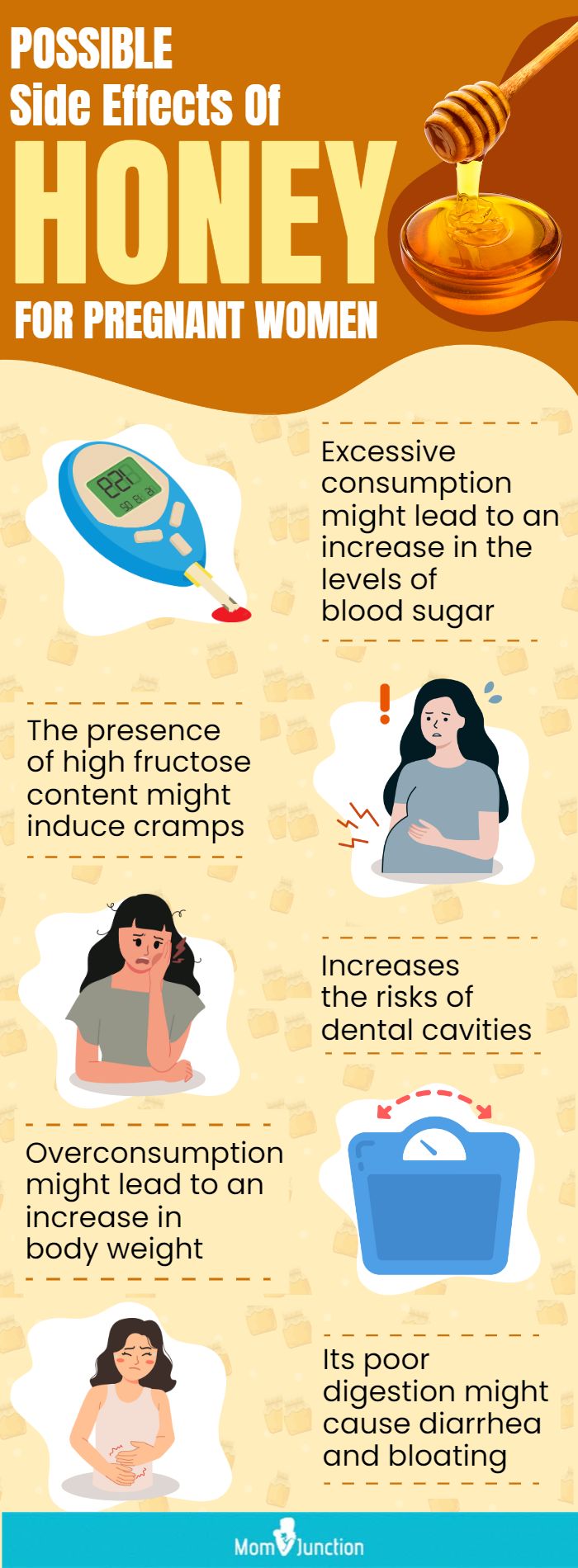
While honey is generally safe for pregnant women, it's essential to follow some guidelines to minimize potential risks:- Consume in Moderation: Limit honey intake to 1-2 tablespoons per day to avoid excessive sugar consumption.
- Avoid Giving Honey to Infants: Honey should not be given to babies under 12 months due to the risk of botulism.
- Check for Allergies: If you're allergic to bees or have a history of allergic reactions, consult with your healthcare provider before consuming honey.










:max_bytes(150000):strip_icc()/VWH-GettyImages-1178021244-59bb55d0a18c43d78f8d1c0c95435d43.jpg "Chamomile: Benefits and Side Effects - WebMD")