Tying a Tie with a Spread Collar: A Comprehensive Guide
Tying a tie with a spread collar can be a bit more challenging than tying a tie with a point collar, but with the right techniques and a bit of practice, you can achieve a stylish and professional look. In this article, we will discuss the different types of collars and how to choose the right tie knot for them, including the spread collar.Understanding Spread Collars
A spread collar is a type of collars that has a wider spread between the two collared points compared to other types of collars. This spread can range from moderate to wide, and it's ideal for formal events and business attire. Spread collars are more formal than button-down collars and are suited for suits and ties.Choosing the Right Tie Knot
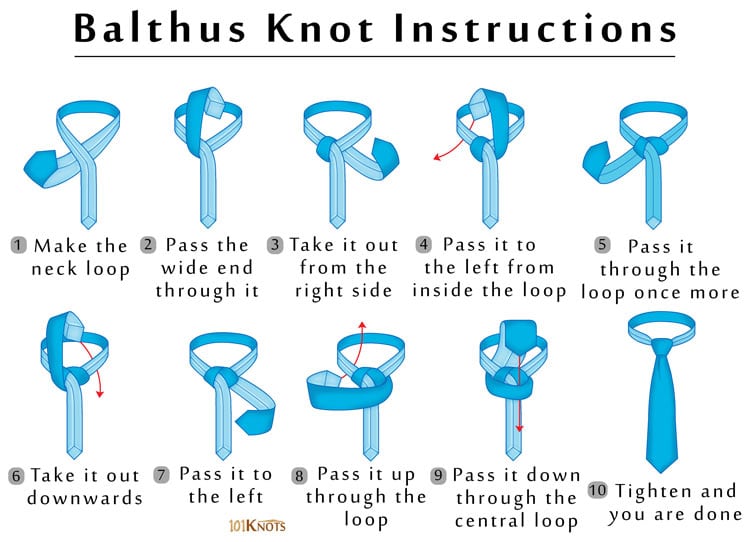
When it comes to choosing a tie knot for a spread collar, there are a few options to consider. Here are a few popular tie knots that work well with a spread collar:Half Windsor Knot
The Half Windsor knot is a popular choice for spread collars because it creates a symmetrical and solid triangular shape that complements the larger spread of the collar. This knot is also great for smaller neck sizes because it allows for a more compact knot.Full Windsor Knot

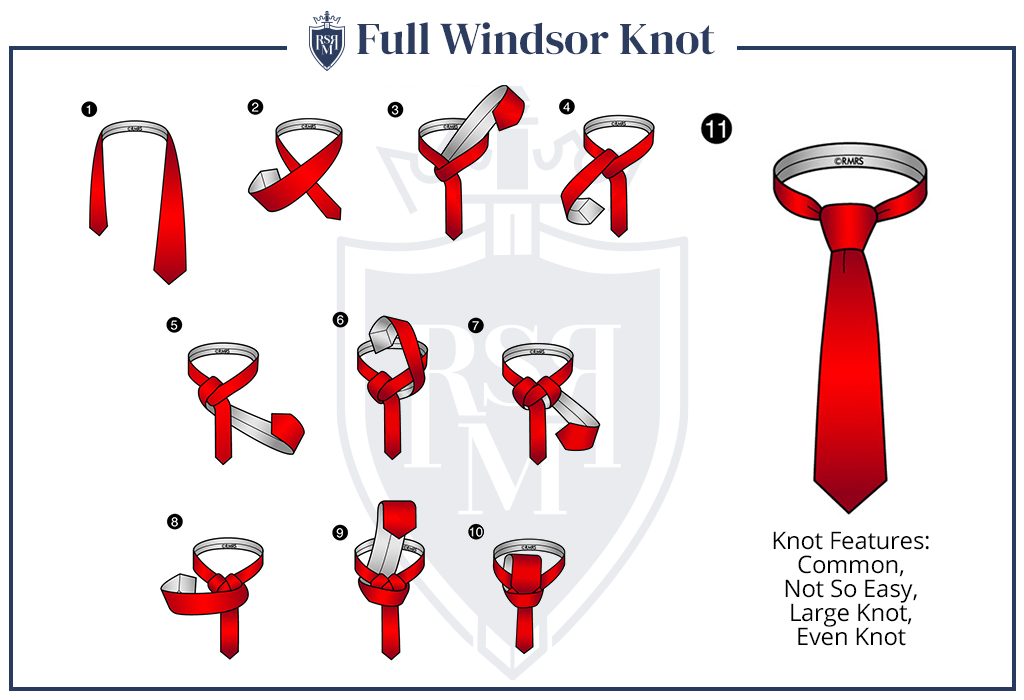
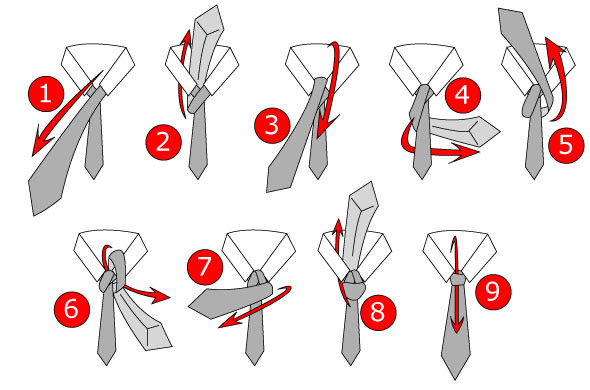
Four-in-Hand Knot
The Four-in-Hand knot is a more casual option that works well with spread collars that have a moderate spread. It's a simple and easy-to-learn knot that creates a small, symmetrical knot.Step-by-Step Guide to Tying a Tie with a Spread Collar
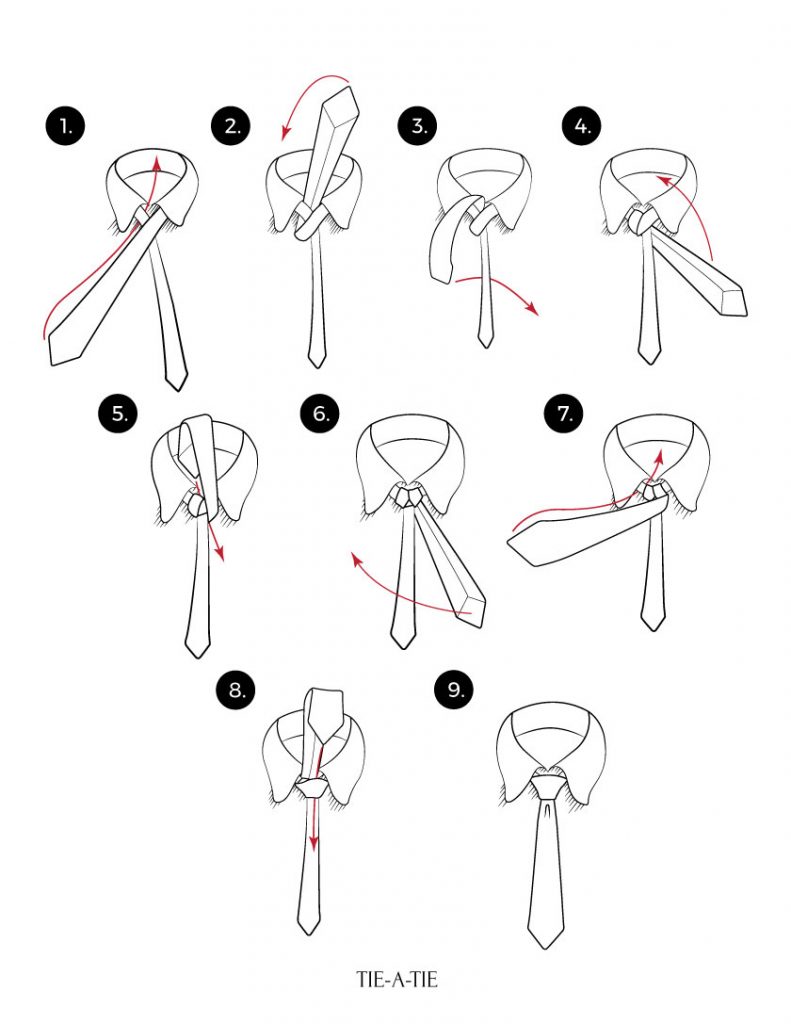
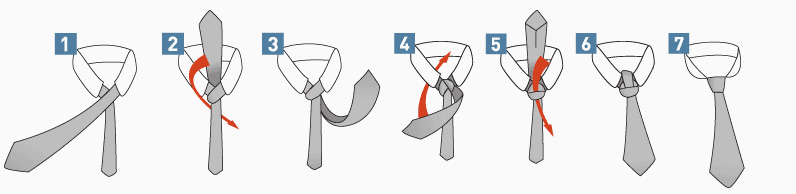
Here's a step-by-step guide to tying a tie with a spread collar using a Half Windsor knot:- Start by facing a mirror and standing up straight.
- Place the tie around your neck with the wide end on your left side and the narrow end on your right side.
- Cross the wide end over the narrow end, so that it forms an "X" shape.
- Take the wide end and pass it behind the narrow end, then bring it up and over the knot.
- Bring the wide end down through the loop that you just created in step 4.
- You should now have a small knot forming. Take the wide end and pass it behind the narrow end again.
- Bring the wide end up and over the knot, then bring it down through the loop again.
- Pull the wide end gently to tighten the knot and adjust as needed.