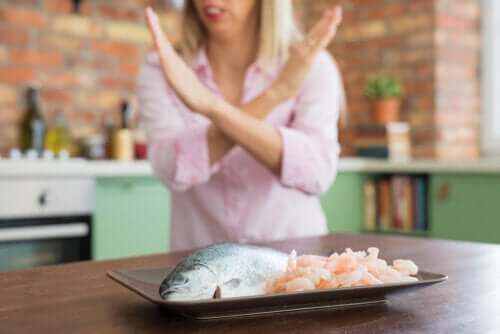
Women with Shrimp Allergy Pregnancy: What You Need to Know
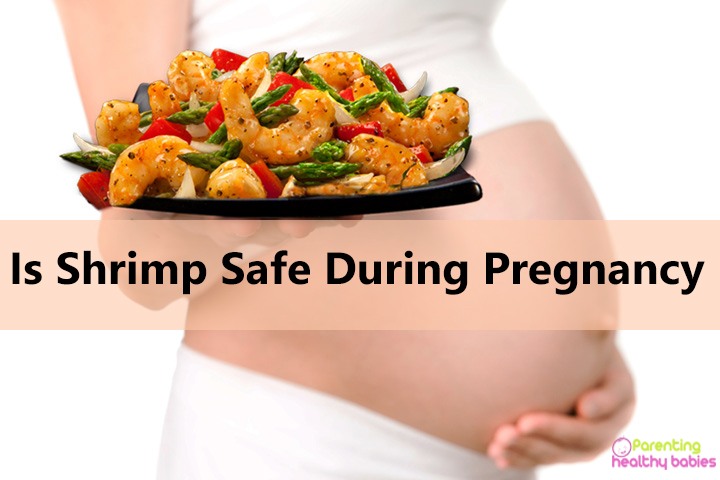
As a pregnant woman, it's natural to have concerns about what you can and cannot eat during this critical period. For women with a shrimp allergy, it's especially important to be aware of the potential risks associated with consuming shrimp during pregnancy. In this article, we'll explore the effects of eating shrimp while pregnant, the risks associated with shrimp allergy during pregnancy, and provide guidance on safe and healthy seafood options.
The Risks of Shrimp Allergy during Pregnancy
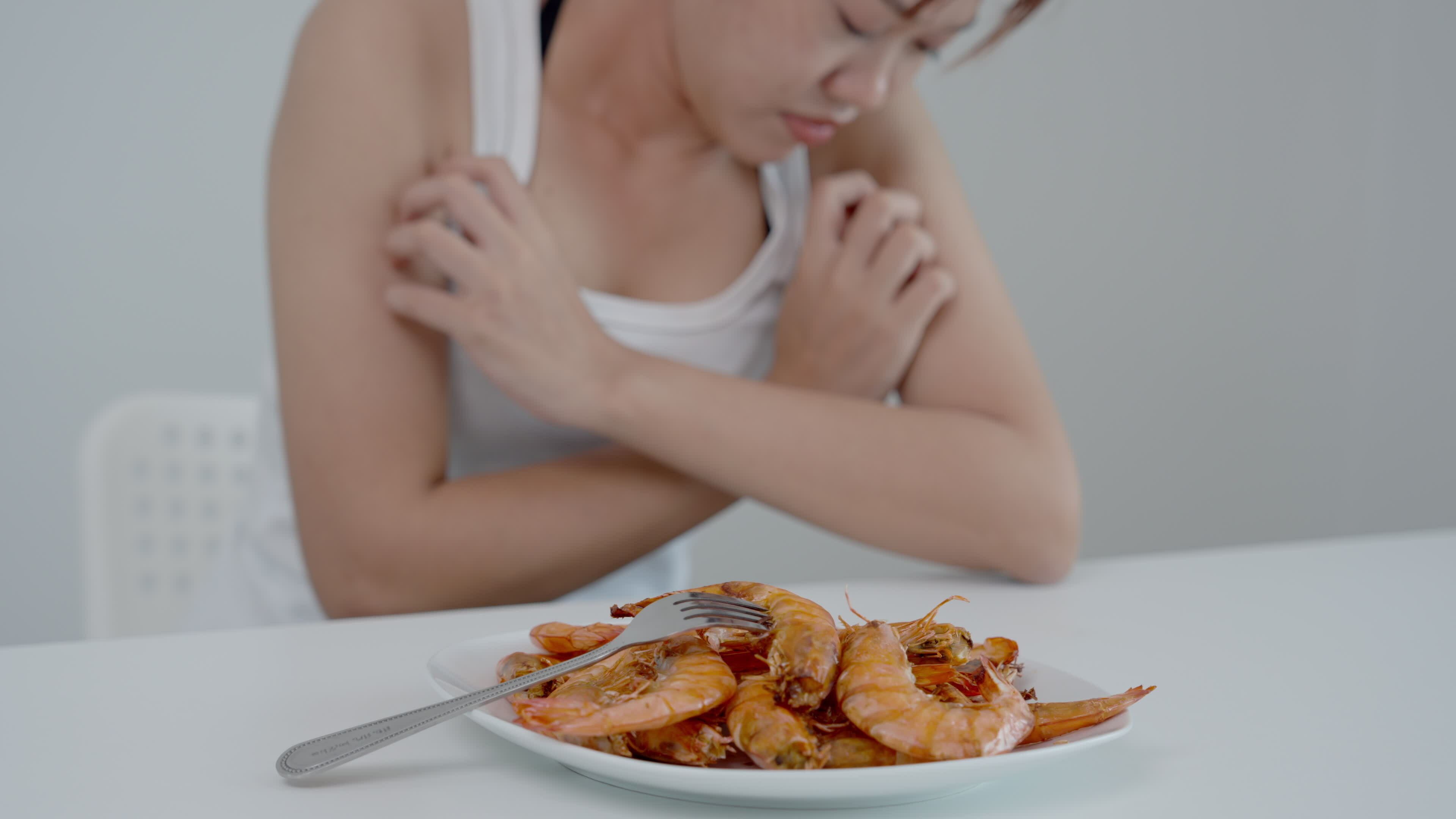
For pregnant women who don't have allergies to shrimp, it is generally considered safe to eat shrimp in moderation. Shrimp is a good source of protein, omega-3 fatty acids, and various vitamins and minerals that can be beneficial for both the mother and the developing baby. However, for women with a shrimp allergy, consuming shrimp can trigger allergic reactions, which may include hives, swelling, or even anaphylaxis. These reactions can be severe and potentially life-threatening, making it essential for women with a shrimp allergy to avoid consuming shrimp during pregnancy.
Understanding Shrimp Allergy during Pregnancy
A shrimp allergy is an overreaction of the immune system to the proteins found in shrimp. During pregnancy, the immune system is already under stress, and the added pressure of an allergic reaction can exacerbate the condition. Women with a shrimp allergy during pregnancy should be particularly cautious and avoid consuming shrimp or any other shellfish products. If you have a history of shellfish allergies or are unsure about your allergy status, consult your doctor before including shrimp in your diet during pregnancy.
Safe Seafood Options for Pregnant Women
While shrimp may not be a safe option for pregnant women with allergies, there are many other healthy and nutritious seafood options available. Fish like salmon, cod, and tilapia are excellent sources of protein, omega-3 fatty acids, and various vitamins and minerals. These fish are low in mercury and can be safely consumed during pregnancy. Women who are pregnant or breastfeeding can also eat both white (albacore) and light canned/pouched tuna as part of a variety of their 2-3 servings of seafood each week.
Precautions and Preparations for Safe Seafood Consumption
To ensure safe and healthy seafood consumption during pregnancy, follow these guidelines:
- Choose high-quality, fresh, and properly stored seafood.
- Cook seafood thoroughly, especially raw or undercooked seafood.
- Avoid semi- or uncooked variations of seafood during pregnancy.
- If you have a history of seafood allergies or are unsure about your allergy status, consult your doctor before including seafood in your diet during pregnancy.
Conclusion
For women with a shrimp allergy, it's essential to be aware of the potential risks associated with consuming shrimp during pregnancy. By understanding the risks and taking precautions, you can ensure a safe and healthy pregnancy for yourself and your baby. Remember to always consult your doctor before including seafood in your diet during pregnancy, and prioritize safe and healthy seafood options.