Understanding Small Business Finance: A Guide to Financial Literacy
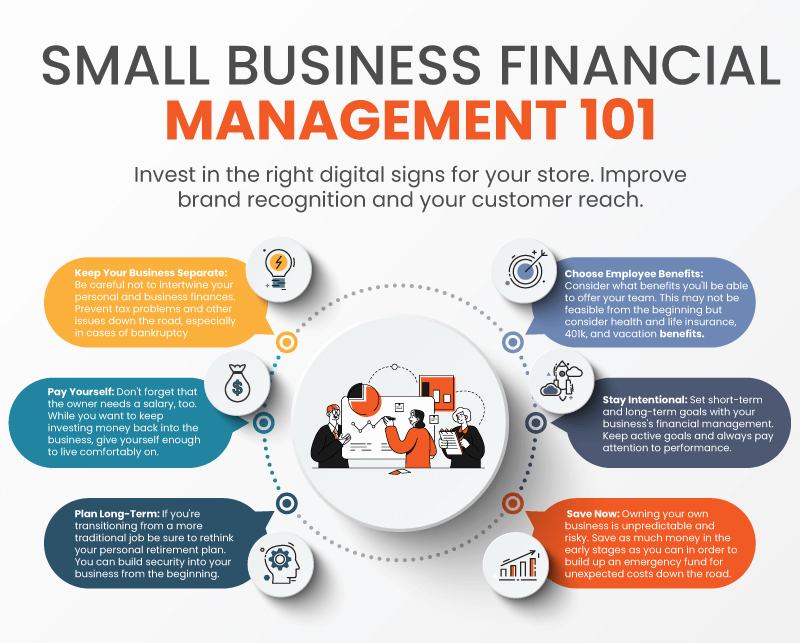
In a world where every dollar counts, understanding small business finance can be the make-or-break factor for many entrepreneurs and small business owners. This guide takes a practical approach to unpack the essentials of business finance, offering clarity on key concepts that often feel daunting. Financial mastery is not just about numbers; it's about making informed decisions that steer your business towards success.
Introduction to Small Business Finance
Financial management is key to running a successful business, yet many entrepreneurs struggle with understanding their finances. This guide gives you the first steps to help you develop financial literacy, manage cash flow, and plan for sustainable growth.
Why Understanding Small Business Finance is Crucial
For small business owners, understanding core financial principles can mean the difference between growth and struggle. Yet, according to a recent study from Quickbooks, only half (54%) of small business owners say they had a good understanding of financial knowledge before starting a business. This lack of financial literacy can lead to costly mistakes, such as underestimating startup costs or over-investing in a particular area.
Key Financial Concepts for Small Business Owners
As a small business owner, you'll wear many hats. And while you can't wear them all, there are some topics in which it's crucial you have a basic foundation. Here are some key financial concepts to understand:
- Cash Flow Management: Managing your cash flow is critical to keeping your business afloat. This includes understanding how to calculate cash flow, managing accounts receivable and payable, and forecasting future cash flows.
- Financial Statements: Financial statements provide a snapshot of your business's financial health. Understanding how to read and interpret balance sheets, income statements, and cash flow statements is essential.
- Accounting and Bookkeeping: Proper accounting and bookkeeping practices are necessary for accurate financial reporting and informed decision-making. This includes understanding financial ratios, budgeting, and tax planning.
- Business Structures: Choosing the right business structure, such as a sole proprietorship, partnership, or corporation, can impact your tax obligations and personal liability.
Common Challenges Small Business Owners Face
Small business owners face a range of challenges, from managing cash flow to securing funding. Some common challenges include:
- Cash Flow Shortages: Running out of cash can be a major obstacle for small businesses. Understanding how to manage cash flow and access funding options can help.
- Difficulty Securing Funding: Accessing capital can be a challenge for small businesses. Exploring alternative funding options, such as crowdfunding or invoice financing, can be a viable solution.
- Lack of Financial Knowledge: Without a solid understanding of financial concepts, small business owners may struggle to make informed decisions about their business.
Conclusion
Understanding small business finance is essential for entrepreneurs and small business owners who want to achieve success. By developing financial literacy, managing cash flow, and planning for sustainable growth, small business owners can overcome common challenges and steer their business towards prosperity. Whether you're just starting out or looking to grow your existing business, this guide provides a solid foundation for financial success.
Resources
If you're looking for more information on small business finance, here are some additional resources to explore:
- Corporate Finance Institute: A leading provider of online courses and resources on finance and accounting.
- Quickbooks: A popular accounting software designed for small businesses.
- Bankrate: A leading financial resource for personal and business finance news, analysis, and tools.