Effective Acne Treatment for Redness: Achieving Clearer Skin
Understanding Acne and Redness
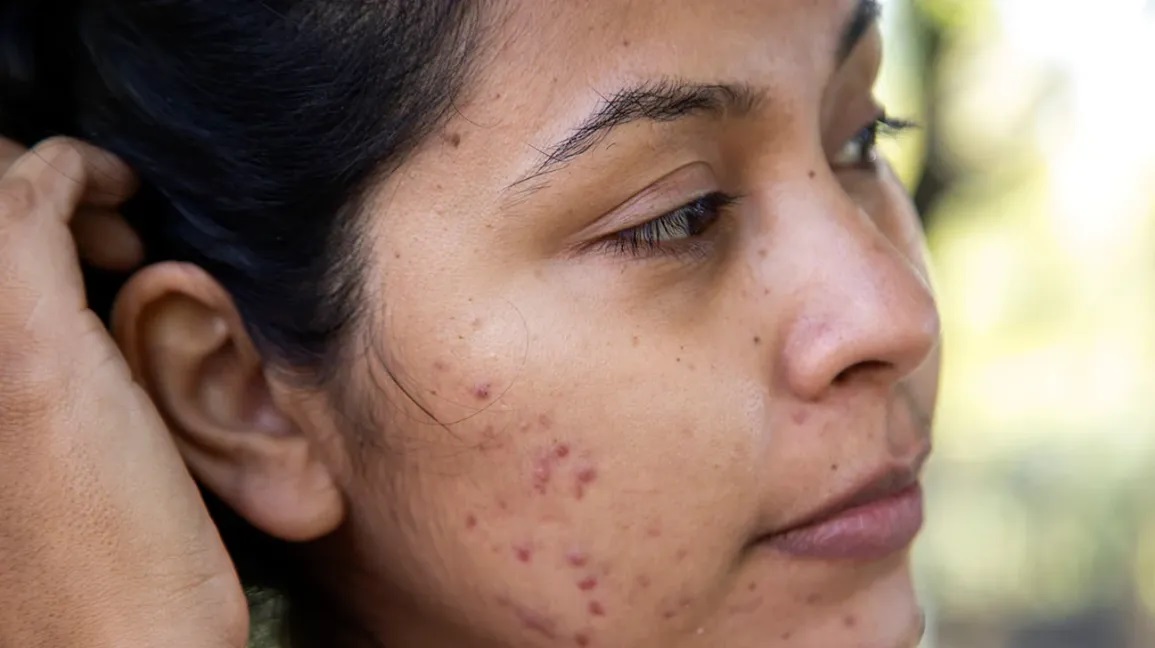
Acne is a common skin condition that occurs when hormone fluctuations stimulate your skin's production of oil, causing blackheads, pimples, and redness. According to the American Academy of Dermatology, between 70 and 87 percent of teenagers experience acne, and adults often cope with this skin condition as well. Despite the prevalence of acne, finding the right treatment for reducing redness can be a daunting task. But fear not – we've got you covered.Causes of Redness in Acne
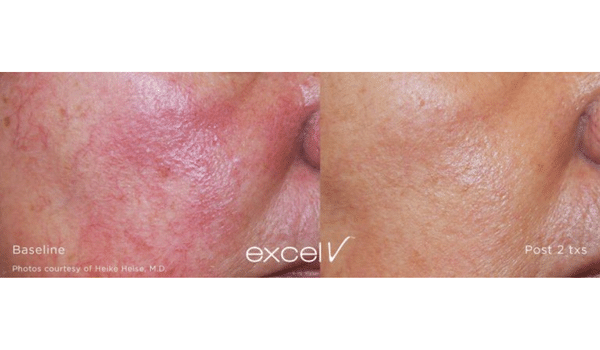
The redness associated with acne is primarily due to inflammation, which is a secondary effect of acne. When pores become clogged with oil and dead skin cells, the body's natural defense mechanism kicks in, leading to inflammation, resulting in the characteristic redness and swelling.Home Remedies for Reducing Acne Redness
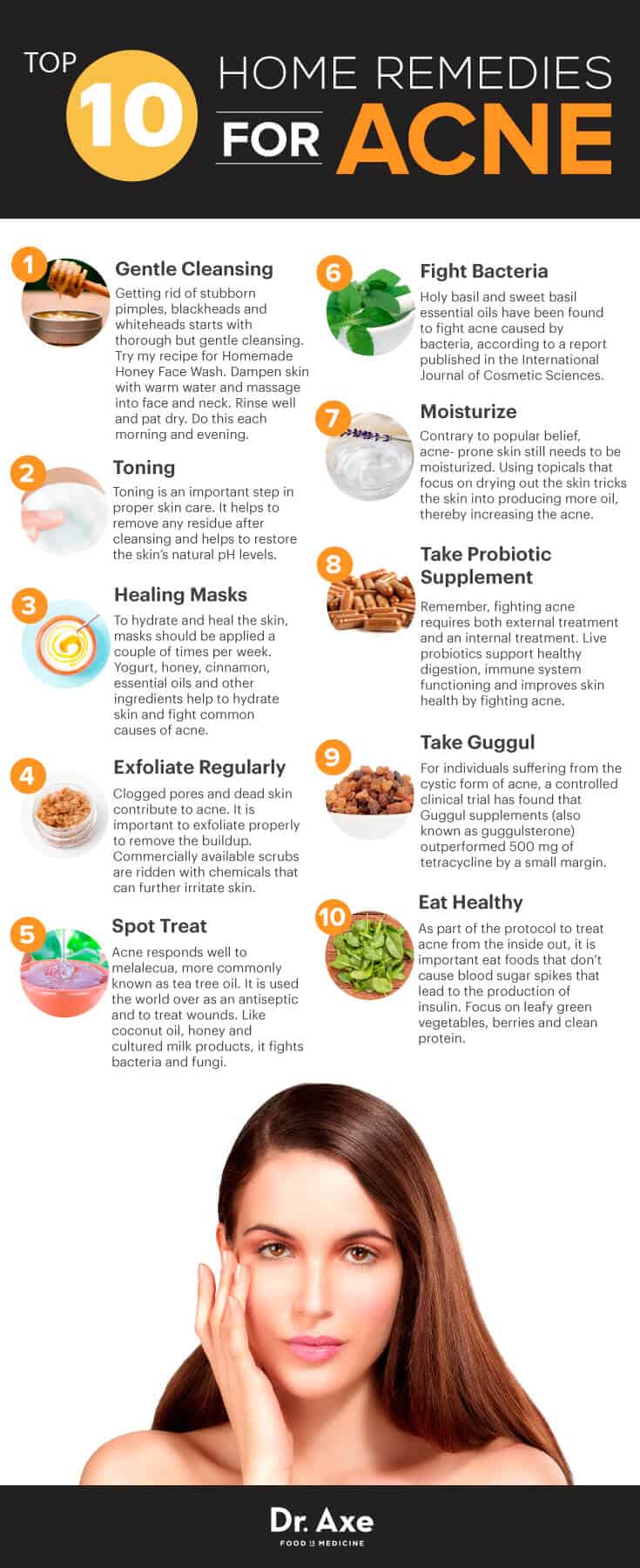
There are several at-home remedies that can be used to reduce acne redness, including:- Aloe vera gel: Known for its soothing properties, aloe vera can help reduce inflammation and calm the skin.
- Tea tree oil: With its antibacterial properties, tea tree oil can help combat acne-causing bacteria.
- Ice: Applying an ice pack to the affected area can help reduce swelling and inflammation.
- Oatmeal: Oatmeal has anti-inflammatory properties that can help soothe the skin.
Prescription Medications for Acne
Prescription medications can also be used to treat acne, but it may take four to eight weeks to see noticeable results. Acne medications work by reducing oil production, treating bacterial infection, or a combination of both. The type of medication prescribed depends on the severity and type of acne, as well as the patient's age and personal preferences.Topical Treatments for Acne