The Best Way to Protect Your Phone from Hackers: A Comprehensive Guide
In today's digital age, our smartphones have become an integral part of our lives. We use them for communication, work, entertainment, and even financial transactions. However, this increased reliance on smartphones has also made them a prime target for hackers and cyber threats. If your phone ends up in the wrong hands, someone could steal your identity, buy stuff with your money, or hack into your email or social media accounts. Here's the best way to protect your phone from hackers.
The Risks of Phone Hacking
Phone hacking is a growing concern, and it's essential to understand the risks involved. Hackers can gain access to your personal data, financial information, and even control your phone remotely. This can lead to identity theft, financial loss, and compromised security. In fact, according to a recent survey, nearly two-thirds of respondents reported checking their phones up to 160 times per day! With so much time spent on our phones, it's no wonder that hackers are targeting them.
The Best Way to Protect Your Phone from Hackers
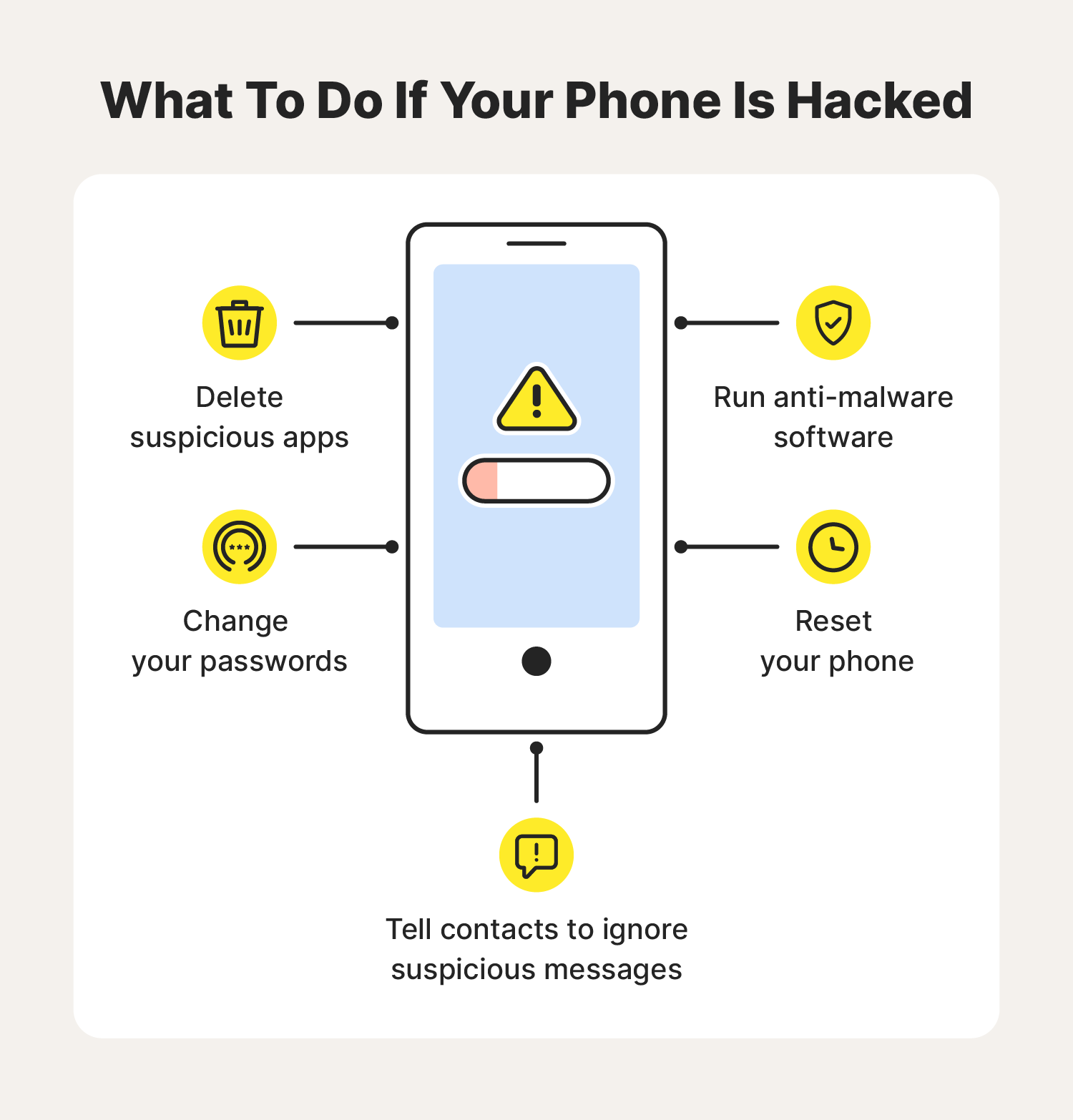
So, what can you do to protect your phone from hackers? Here are some essential tips to get you started:
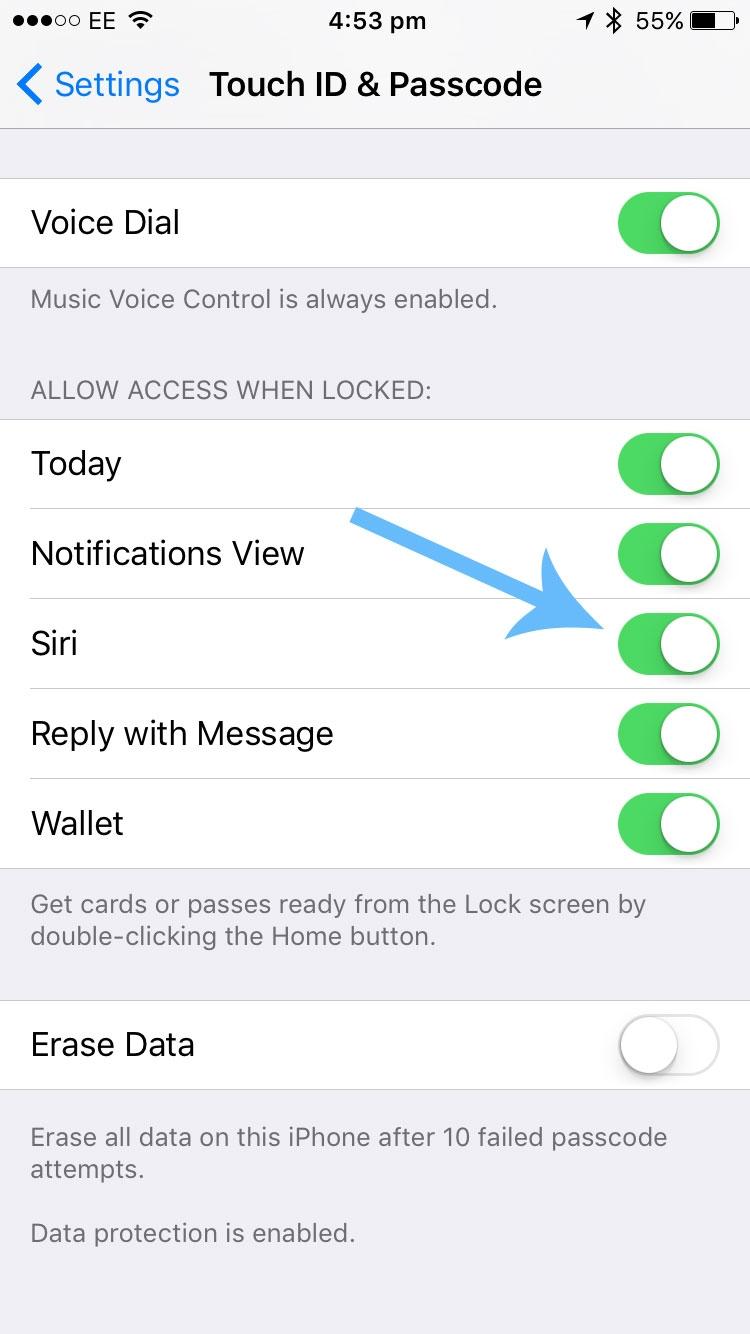
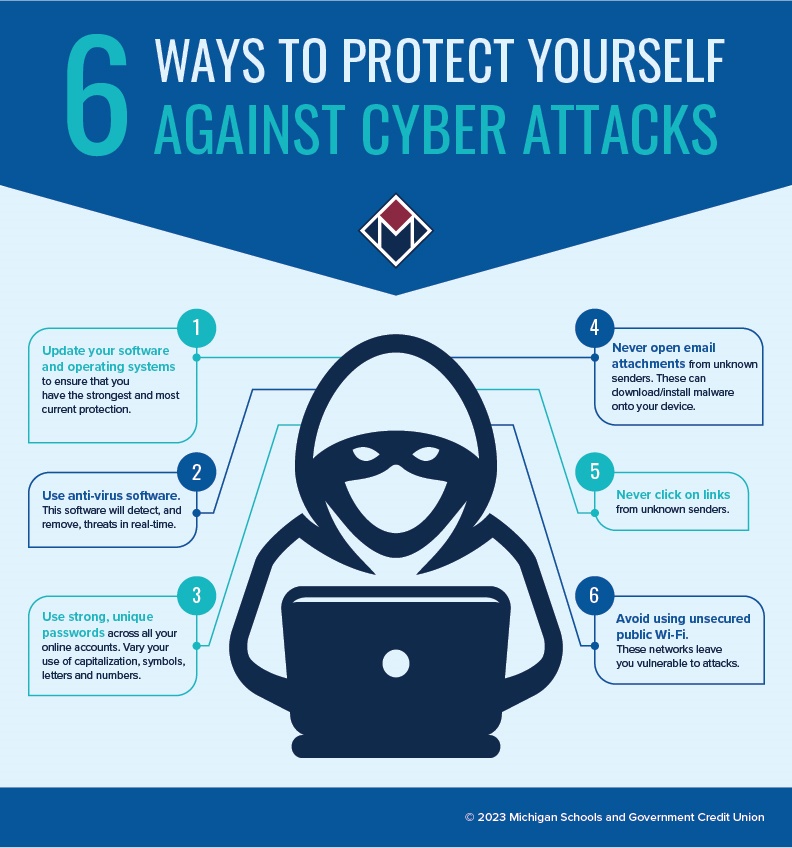
- Use Strong Passwords and Biometric Authentication: Make sure to use strong, unique passwords for all your accounts, and enable biometric authentication (e.g., fingerprint or face recognition) whenever possible.
- Keep Your Phone and Apps Up-to-Date: Regularly update your phone's operating system and apps to ensure you have the latest security patches and features.
- Use Antivirus Software: Install reputable antivirus software to protect your phone from malware and other cyber threats.
- Be Cautious with Emails and Messages: Avoid clicking on suspicious links or downloading attachments from unknown sources, as these can be phishing scams designed to trick you into handing over access to your accounts.
- Use Two-Factor Authentication: Enable two-factor authentication (2FA) for all your accounts, including email, social media, and banking apps.
- Monitor Your Accounts and Activity: Regularly check your account statements and activity to detect any suspicious transactions or behavior.
- Use a VPN: Consider using a virtual private network (VPN) to encrypt your internet traffic and protect your data when using public Wi-Fi networks.
- Back Up Your Data: Regularly back up your phone's data to prevent loss in case your phone is hacked or stolen.

Additional Tips to Protect Your Phone from Hackers
While the tips above provide a solid foundation for phone security, there are some additional measures you can take to further protect your phone from hackers:
- Use a Secure Browser: Use a secure browser like Chrome, Firefox, or Safari, which have built-in security features to protect you from phishing and malware attacks.
- Avoid Public Wi-Fi: When possible, avoid using public Wi-Fi networks, as they can be vulnerable to hacking. If you must use public Wi-Fi, consider using a VPN.
- Use a Password Manager: Use a password manager to generate and store unique, complex passwords for all your accounts.
- Regularly Update Your Phone's Software: Regularly update your phone's operating system and apps to ensure you have the latest security patches and features.
Conclusion
Protecting your phone from hackers requires a combination of common sense, awareness, and proactive measures. By following the tips outlined in this article, you can significantly reduce the risk of your phone being hacked and protect your personal data, identity, and finances. Remember, a secure phone is a safe phone, and it's essential to take the necessary steps to protect it.