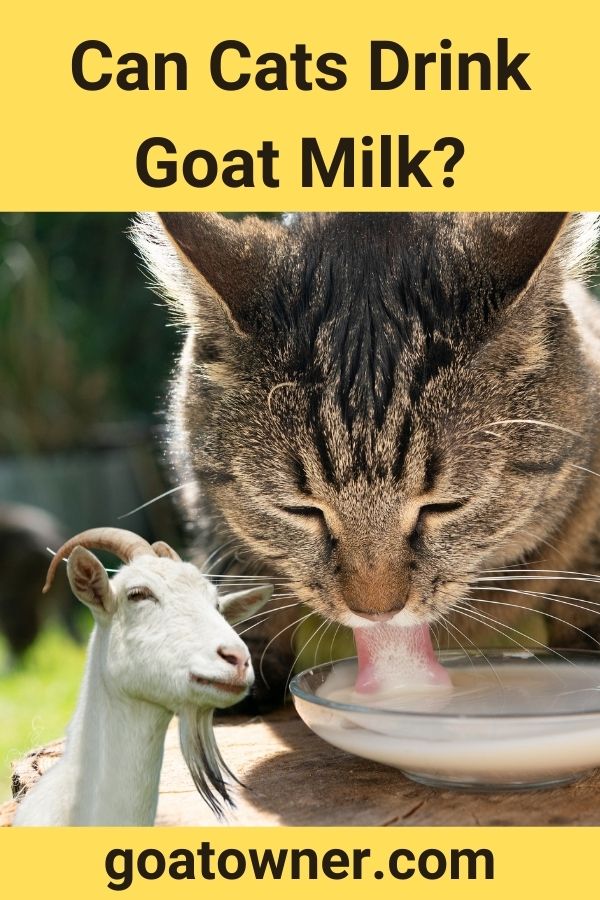
Can Cats Drink Goat Milk?
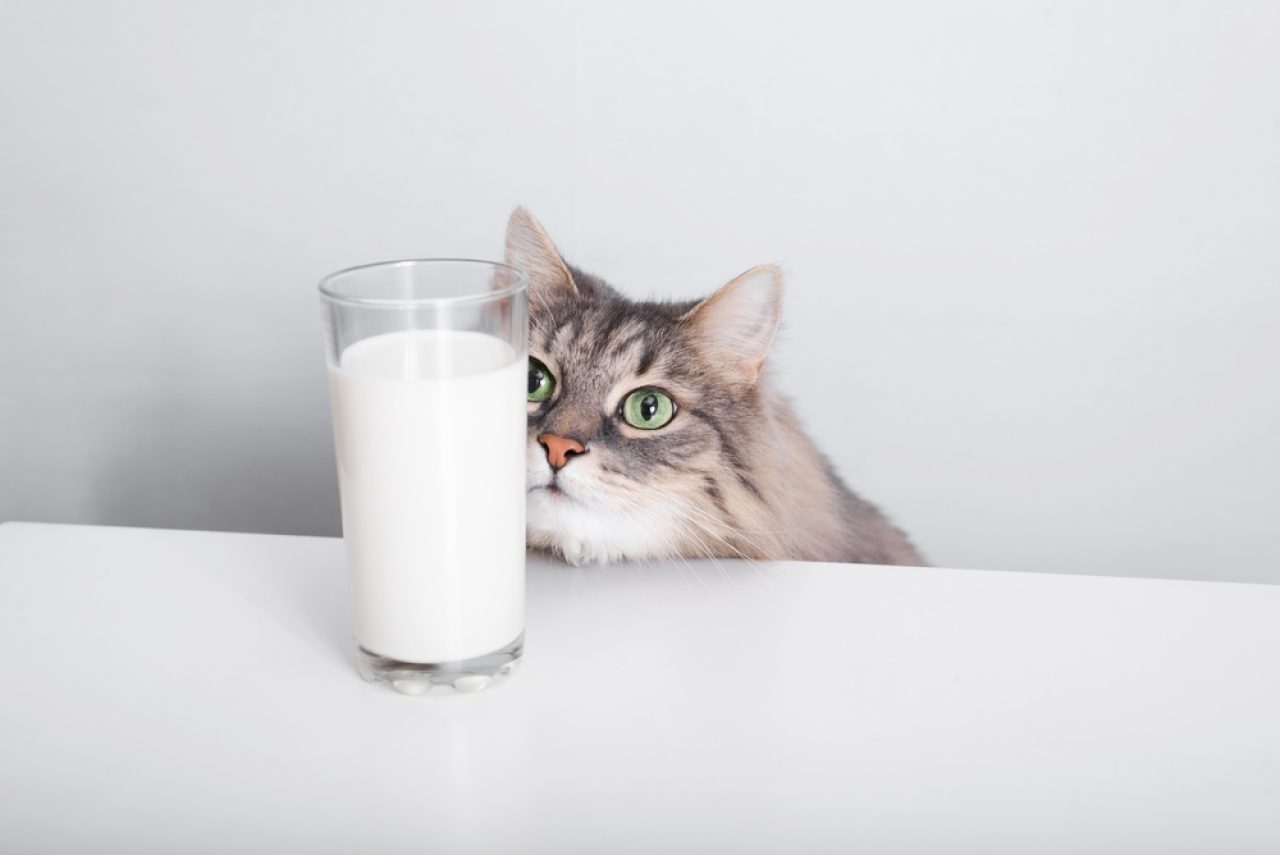
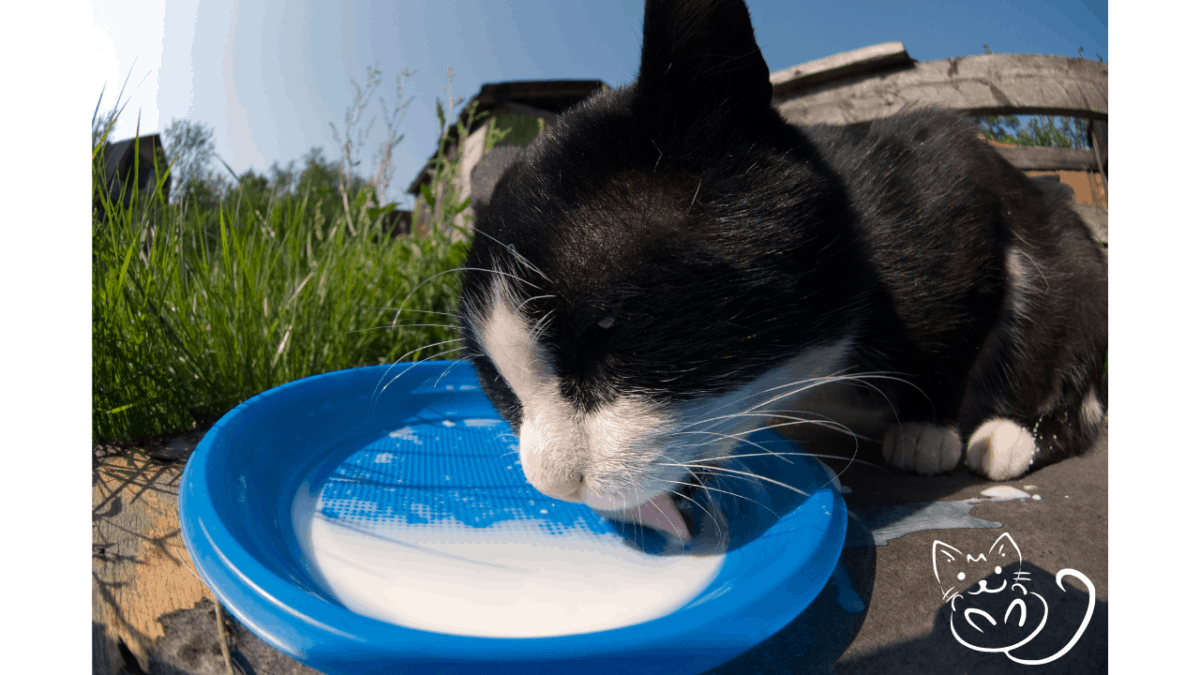
Cats are often thought of as finicky eaters, and when it comes to dairy products, they can be even pickier. However, some cat owners may wonder if cats can drink goat milk as a healthy alternative to cow's milk.
In this article, we'll explore the benefits and risks of giving goat milk to cats, as well as provide some practical guidelines for introducing it into their diet.
Types of Milk and How They Compare
- Cow's Milk: Regular cow's milk is high in lactose and is the most likely to cause digestive issues in cats.
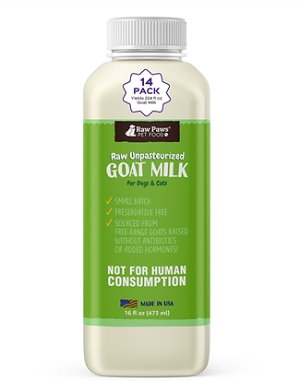
- Goat Milk: Goat milk has less lactose than cow's milk and may be easier for some cats to digest. However, not all cats are lactose tolerant, and milk is not nutritionally balanced for cats.
Benefits of Goat Milk for Cats
- Easy Digestion: Goat milk has smaller fat globules and forms softer, looser curds in the stomach, making it easier on a cat's delicate digestive system.
- Hydration: Goat milk can be a good source of hydration for cats, especially when used as a meal topper or mix-in.
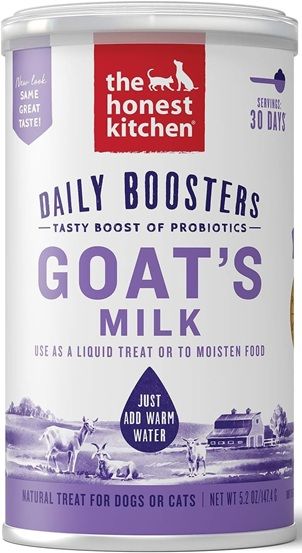
- Probiotics: Goat milk contains probiotics, which can help support a cat's digestive health.
Risks of Giving Goat Milk to Cats
- Lactose Intolerance: Most adult cats are lactose intolerant and can experience digestive issues if they consume too much milk, including goat milk.
- Stomach Upset: Cats can experience stomach upset, gas, and bloating if they drink goat milk.
- Unbalanced Diet: Milk, including goat milk, is not a nutritionally balanced food for cats and should not be used as a replacement for their regular diet.
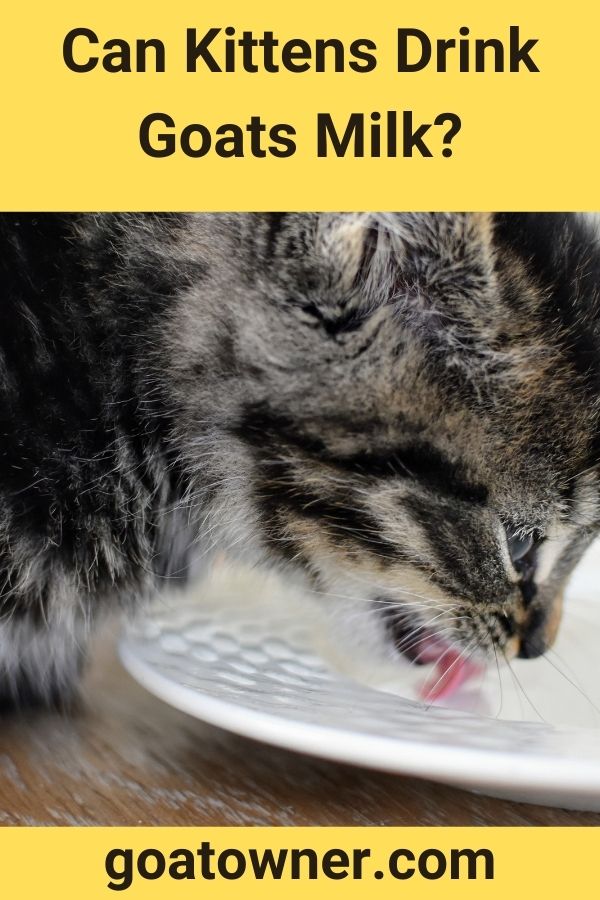
Can Kittens Drink Goat Milk?
Kittens may tolerate goat milk better than adult cats, but it's essential to note that goat milk should not replace specially formulated kitten milk replacers or balanced diets designed for their growth needs.
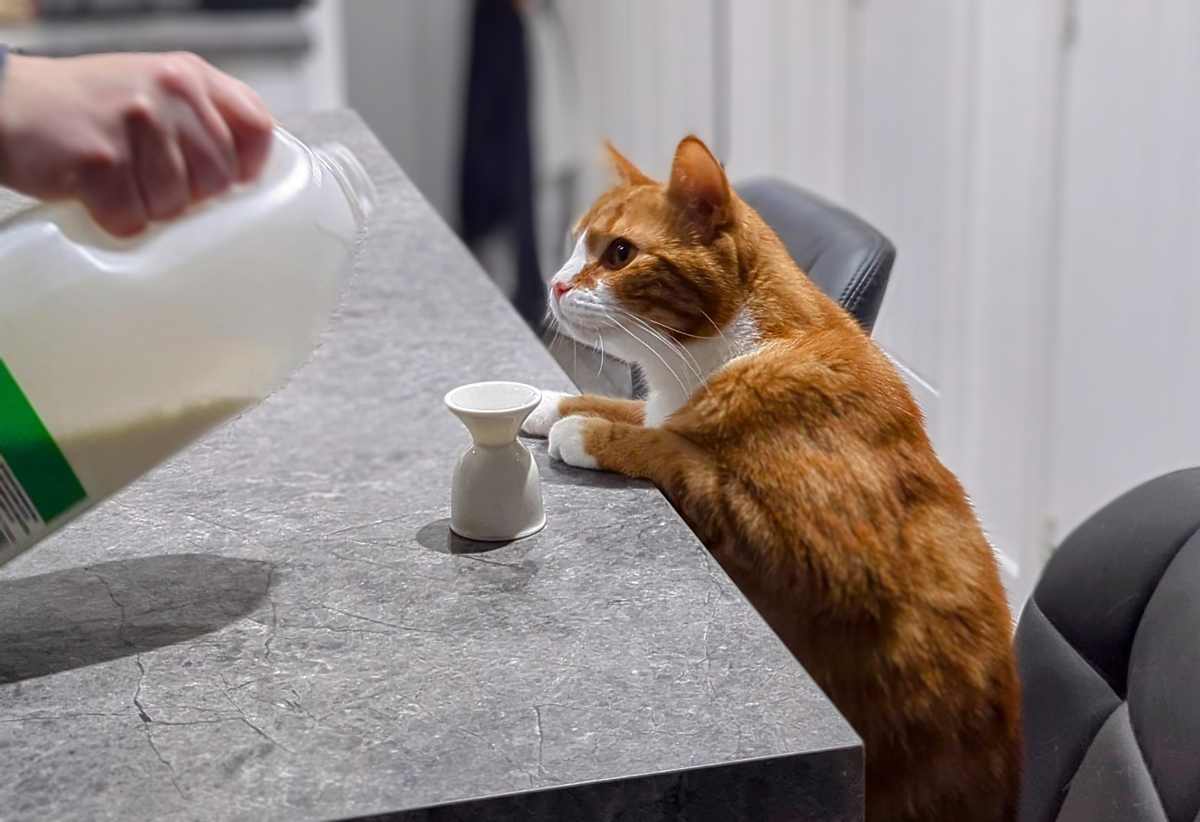
How to Introduce Goat Milk to Your Cat's Diet
If you're considering giving your cat goat milk, it's crucial to follow these guidelines:
- Consult with your veterinarian first to ensure your cat can tolerate goat milk.
- Start with small amounts (about 1-2 teaspoons per pound of body weight) and gradually increase the amount as needed.
- Introduce goat milk into your cat's diet gradually, starting with small amounts and gradually increasing the amount over time.
- Monitor your cat's response to goat milk and adjust the amount or discontinue use if you notice any adverse reactions.
Conclusion
Goat milk can be a healthy addition to a cat's diet, but it's essential to introduce it carefully and in moderation. Remember to consult with your veterinarian before giving goat milk to your cat, and always monitor their response to ensure their digestive health.
While goat milk may not be a suitable replacement for a cat's regular diet, it can provide some benefits, such as hydration and probiotics. However, it's crucial to prioritize your cat's nutritional needs and ensure they receive a balanced diet that meets their requirements.
Is Goat Milk Right for Your Cat?
While goat milk can be a healthy treat for cats, it's not a miracle food. Think of it as a supplement, not a staple. Some cats may tolerate goat milk beautifully and benefit from the extra hydration and probiotics, while others may experience stomach upset.
Final Thoughts
If you're considering giving goat milk to your cat, remember to consult with your veterinarian, start with small amounts, and monitor their response. With careful introduction and moderation, goat milk can be a delightful addition to your cat's diet.