Setting Children's Screen Time Daily Limits: A Parent's Guide
As a parent, it's essential to establish healthy screen time habits for your child. Excessive screen time has been linked to various negative effects on children's physical and mental health, including obesity, sleep disturbances, and decreased attention span. In this article, we'll explore the American Academy of Pediatrics (AAP) guidelines for children's screen time daily limits and provide tips on how to set and enforce these limits.
Why Set Screen Time Limits?
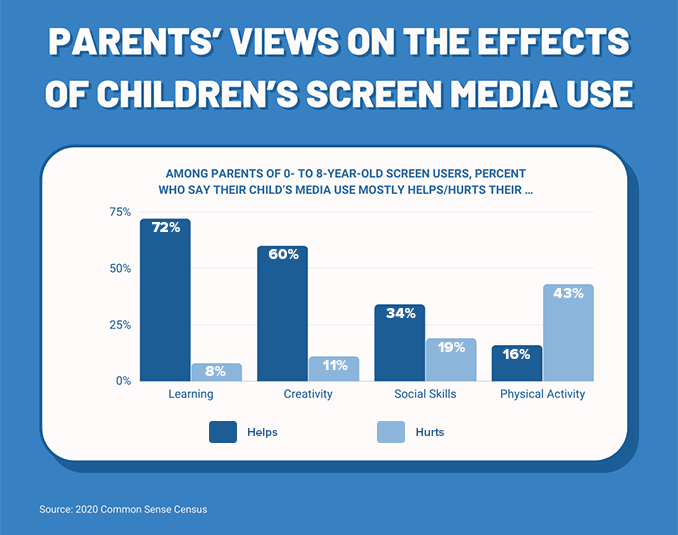
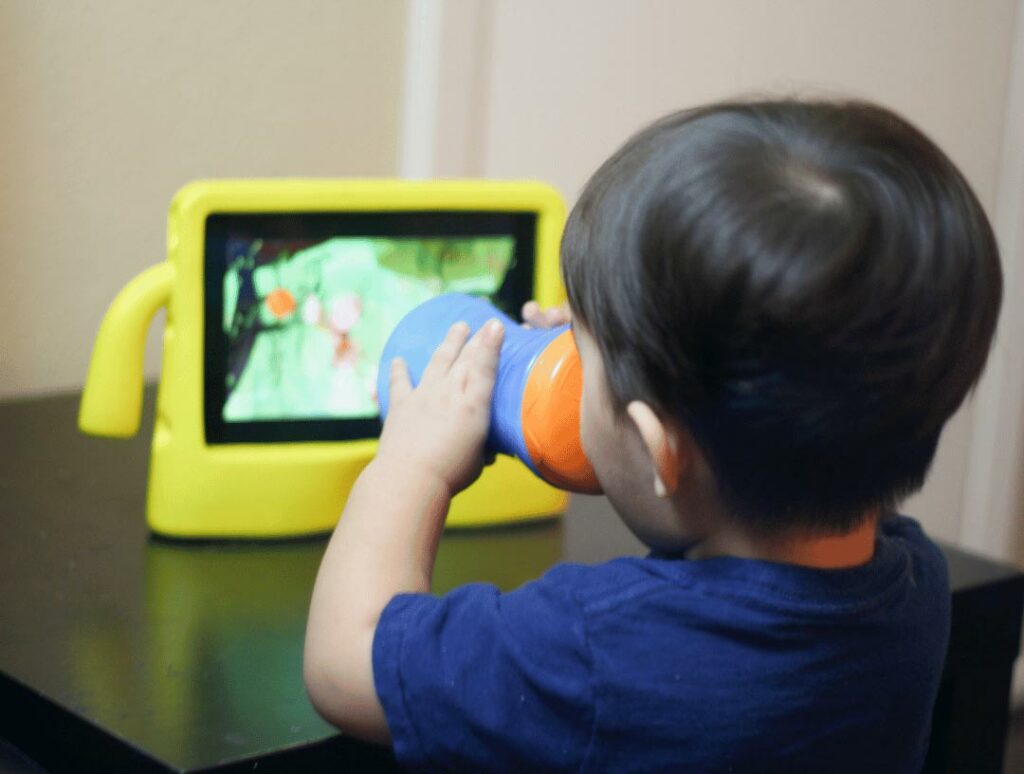
Children's screen time has become a significant concern in recent years, with many children spending several hours a day staring at screens. While some screen time can be beneficial for learning and entertainment, excessive screen time can lead to a range of negative effects. By setting screen time limits, parents can help their children avoid these risks and promote healthy habits.
AAP Guidelines for Children's Screen Time Daily Limits
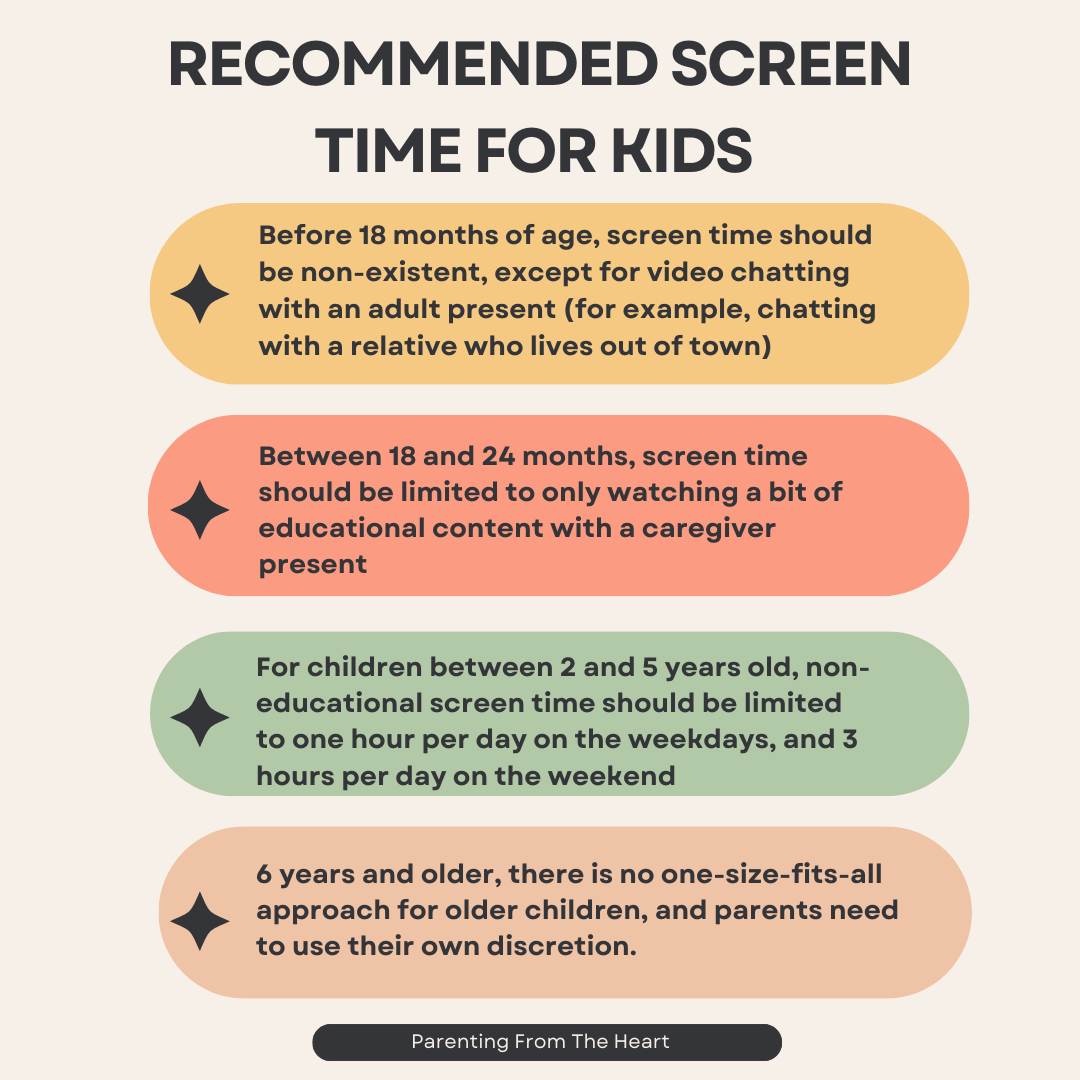
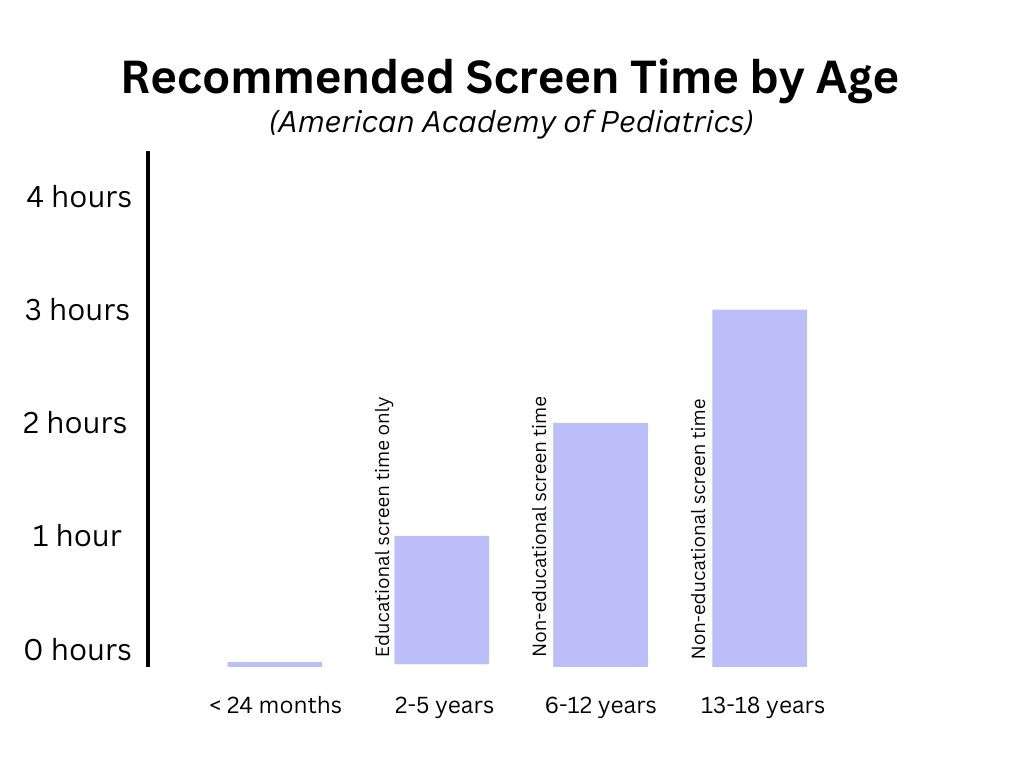
The AAP recommends the following screen time daily limits for children:
- Children aged 2-5 years: Limit non-educational screen time to 1 hour per day on weekdays and 3 hours on weekends.
- Children aged 6 and older: Encourage healthy screen time habits and limit activities that include screens.
- Babies and children under 18 months: Avoid screen time altogether, except for video chatting with loved ones.
Setting Screen Time Limits for Your Child

Setting screen time limits requires a combination of technology and parenting skills. Here are some tips to help you set and enforce screen time limits for your child:
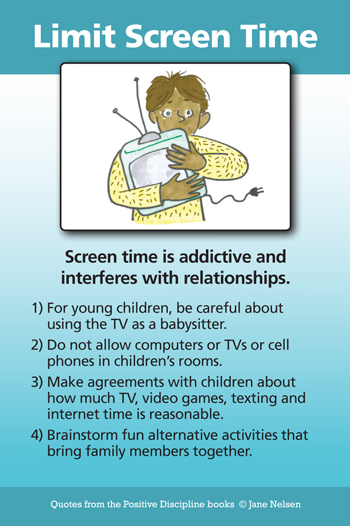
- Establish screen-free zones: Designate areas in your home as screen-free, such as the dinner table or bedrooms.
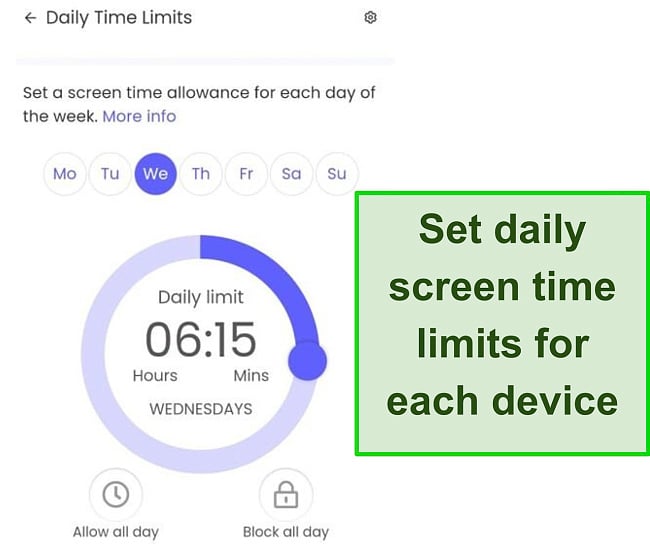
- Use parental control software: Utilize parental control software to limit screen time, block explicit content, and monitor online activity.
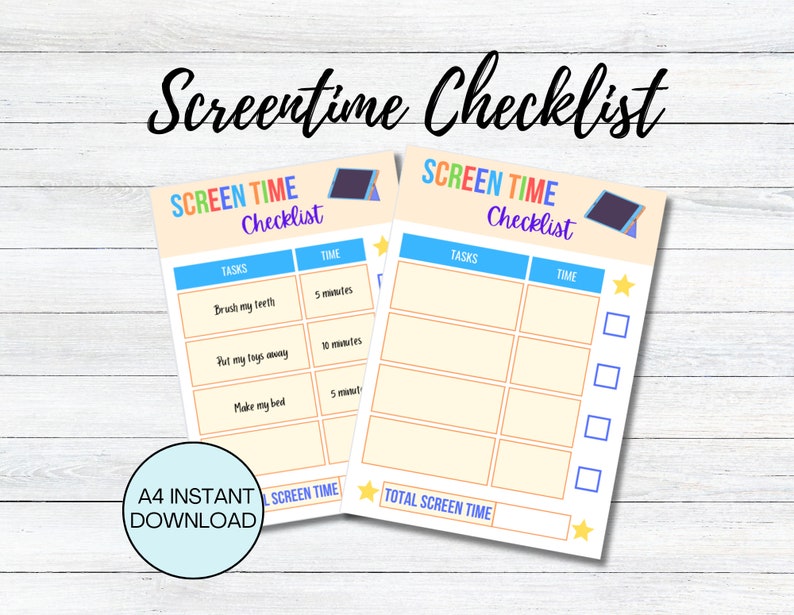
- Set screen time goals: Collaborate with your child to set screen time goals and establish a schedule for meeting those goals.
- Monitor and adjust: Continuously monitor your child's screen time and adjust limits as needed to ensure they're meeting their goals.
Benefits of Setting Screen Time Limits
By setting screen time limits, parents can promote a range of benefits for their child, including:
- Improved physical health: Reduced screen time can lead to increased physical activity and better overall health.
- Enhanced cognitive function: Limiting screen time can help children develop stronger cognitive skills, such as attention and memory.
- Better sleep habits: Establishing a consistent screen-free bedtime routine can help children develop healthy sleep habits.
- Increased social skills: Encouraging social interactions and reducing screen time can help children develop stronger social skills.
Conclusion
Setting children's screen time daily limits is a crucial aspect of parenting in the digital age. By following the AAP guidelines and setting limits that work for your child, you can promote healthy habits and reduce the risks associated with excessive screen time. Remember to always monitor and adjust your child's screen time limits to ensure they're meeting their goals and developing healthy habits.