Understanding Children's Screen Time Limits: A Guide for Parents
In today's digital age, children are exposed to screens from a very young age, and the question of how much screen time is healthy for them has become a major concern for parents. Setting limits on screen time can be challenging, but it's essential to ensure that children use digital media in a way that promotes healthy development. In this article, we'll explore the importance of setting children's screen time limits, the recommended guidelines, and practical tips for parents to manage their child's screen use.
Why Set Screen Time Limits for Children?
Research has shown that excessive screen time can have a range of negative effects on children's physical and mental health, including:
- Obesity and decreased physical activity
- Delayed language development and decreased communication skills
- Decreased attention span and increased risk of attention deficit hyperactivity disorder (ADHD)
- Increased risk of anxiety, depression, and other mental health problems
- Negative impacts on sleep patterns and daytime functioning
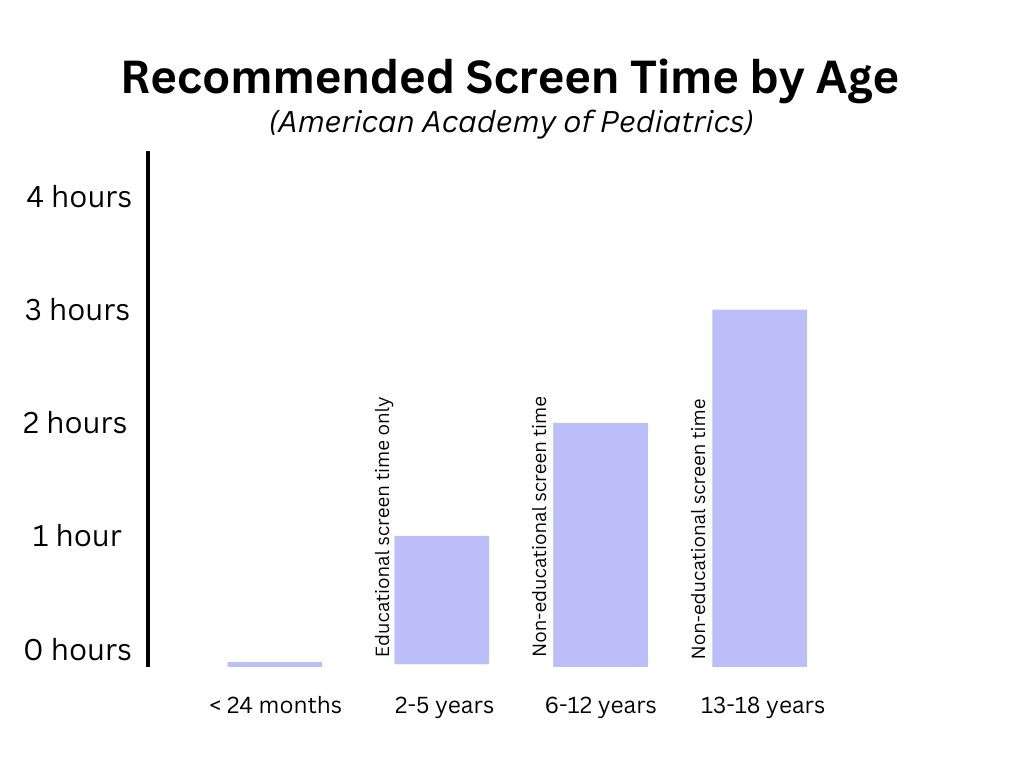
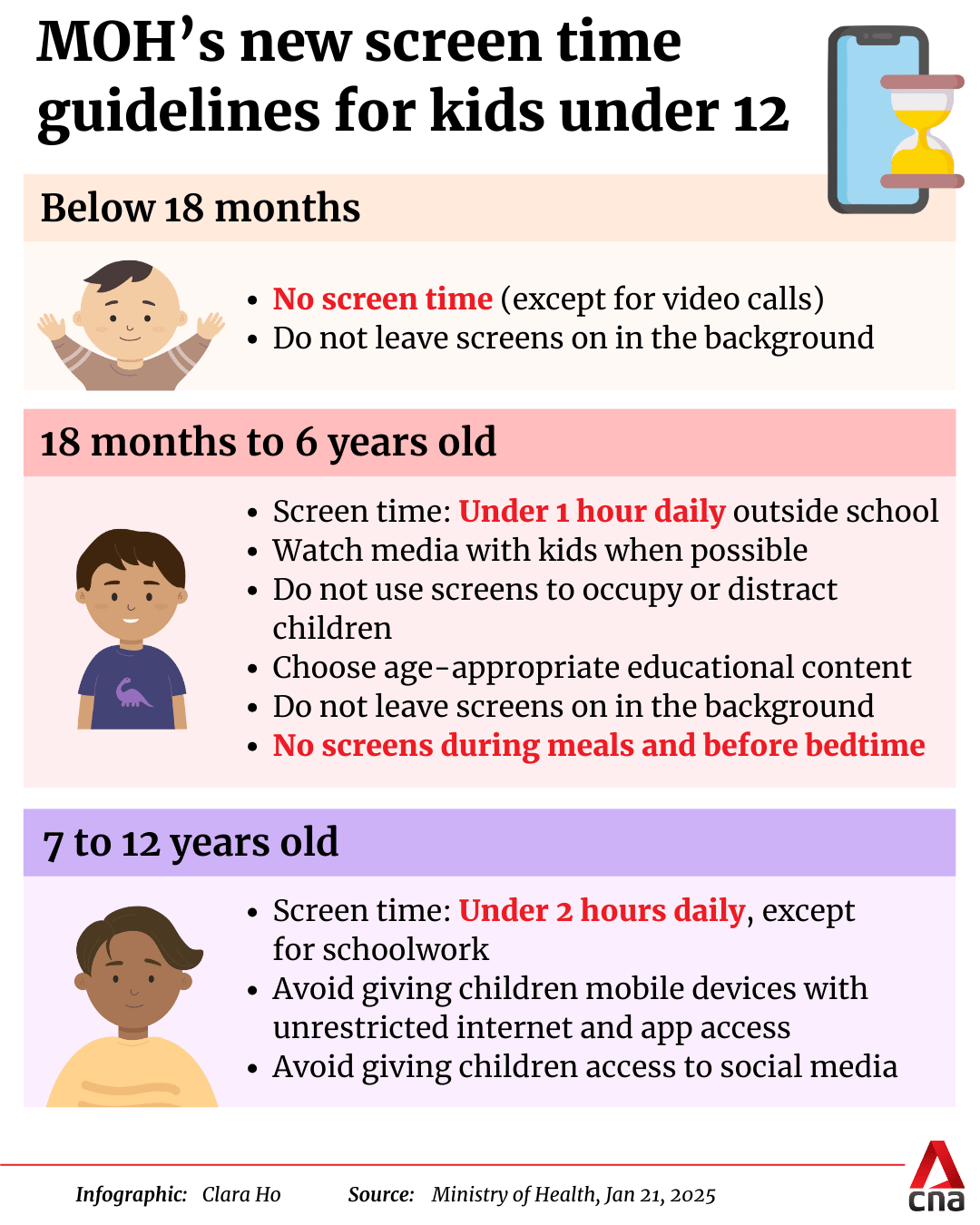
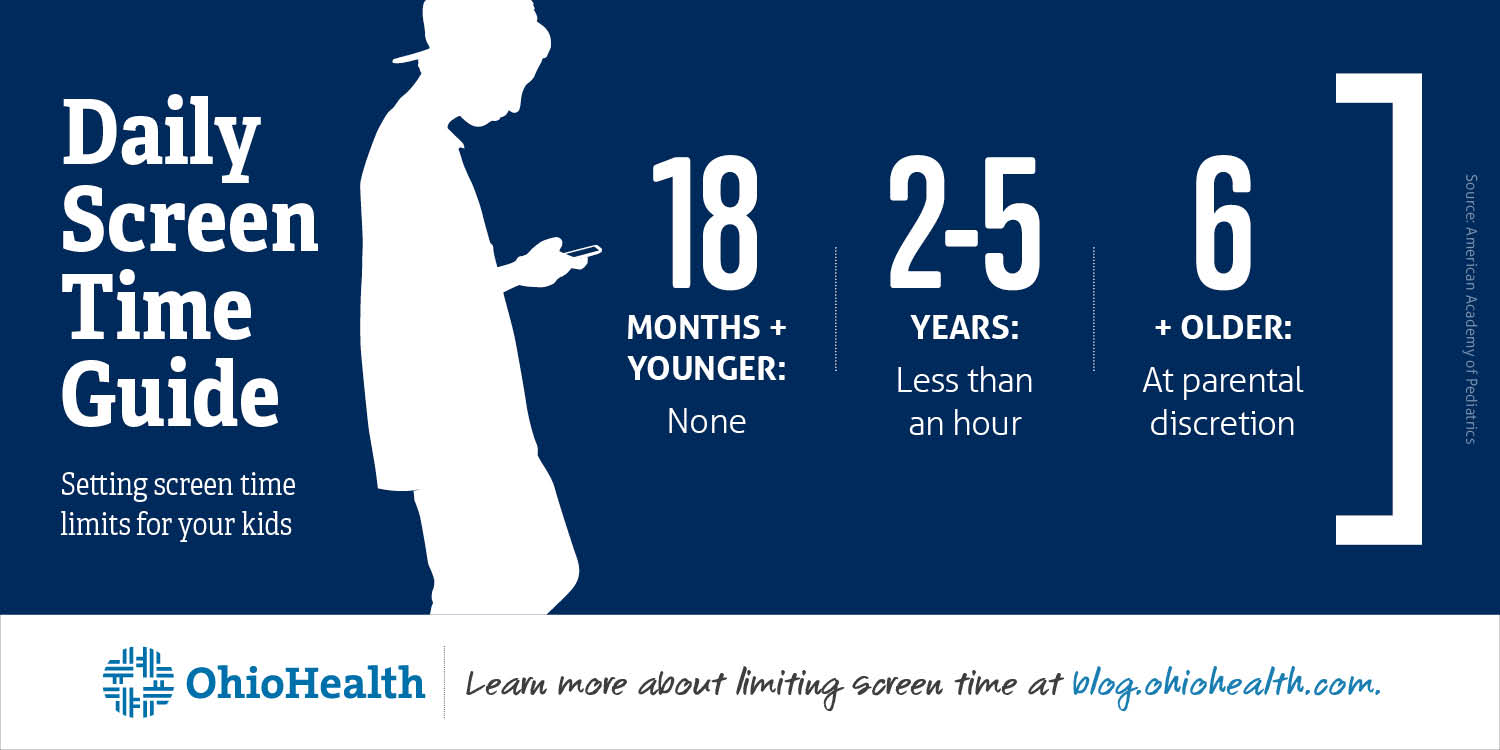
The American Academy of Pediatrics (AAP) recommends that children under the age of 2 should not use screens at all, except for video chatting with family and friends. For children aged 2-5, the AAP recommends limiting non-educational screen time to about 1 hour per weekday and 3 hours on weekend days. For children aged 6 and older, the AAP recommends establishing consistent limits on screen time, including:)
• Ensuring that outdoor play and other physical activities are prioritized
• Encouraging other activities that promote socialization, such as sports, clubs, and volunteering
• Limiting screen time to avoid interfering with sleep, physical activity, and other important behaviors
How to Set Screen Time Limits for Children
Setting screen time limits for children requires a combination of effort, planning, and consistency from parents. Here are some practical tips to help you set healthy screen time limits for your child:
- Set clear expectations and rules for screen time, including the amount of time allowed and the types of activities that are allowed
- Designate screen-free zones and times, such as the dinner table, bedrooms, and during meals
- Encourage physical activity and other activities that promote healthy development
- Monitor and limit screen time using parental control software or apps
- Have open conversations with your child about the risks and benefits of screen time and encourage them to make informed choices about their screen use
- Be a role model and set a good example by limiting your own screen time and engaging in other activities with your child
Benefits of Limiting Screen Time for Children
Setting screen time limits for children can have numerous benefits, including:
- Improved physical health and reduced risk of obesity and other health problems
- Increased attention span and improved cognitive function
- Improved communication skills and socialization
- Reduced risk of anxiety, depression, and other mental health problems
- More time for outdoor play, hobbies, and other activities that promote healthy development
Conclusion
Setting children's screen time limits is an essential aspect of promoting healthy development in today's digital age. By setting clear expectations, designating screen-free zones and times, and encouraging physical activity and other activities that promote healthy development, parents can help their children use digital media in a way that promotes healthy growth and development. By following the AAP's guidelines and taking practical steps to manage screen time, parents can reduce the risk of negative effects on their child's physical and mental health and promote a healthier, more balanced lifestyle.