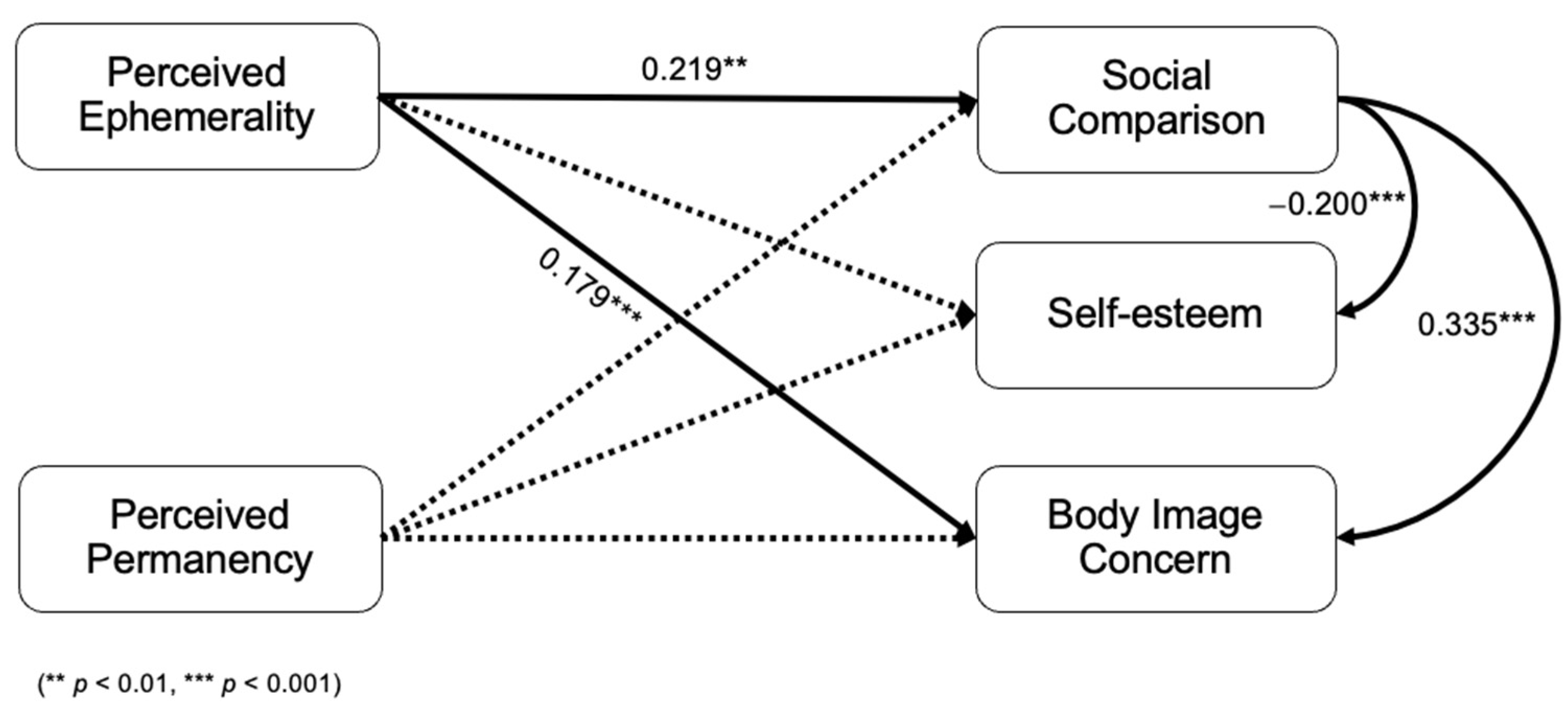
Understanding Social Comparison: The Psychology Behind Why We Compare Ourselves to Others
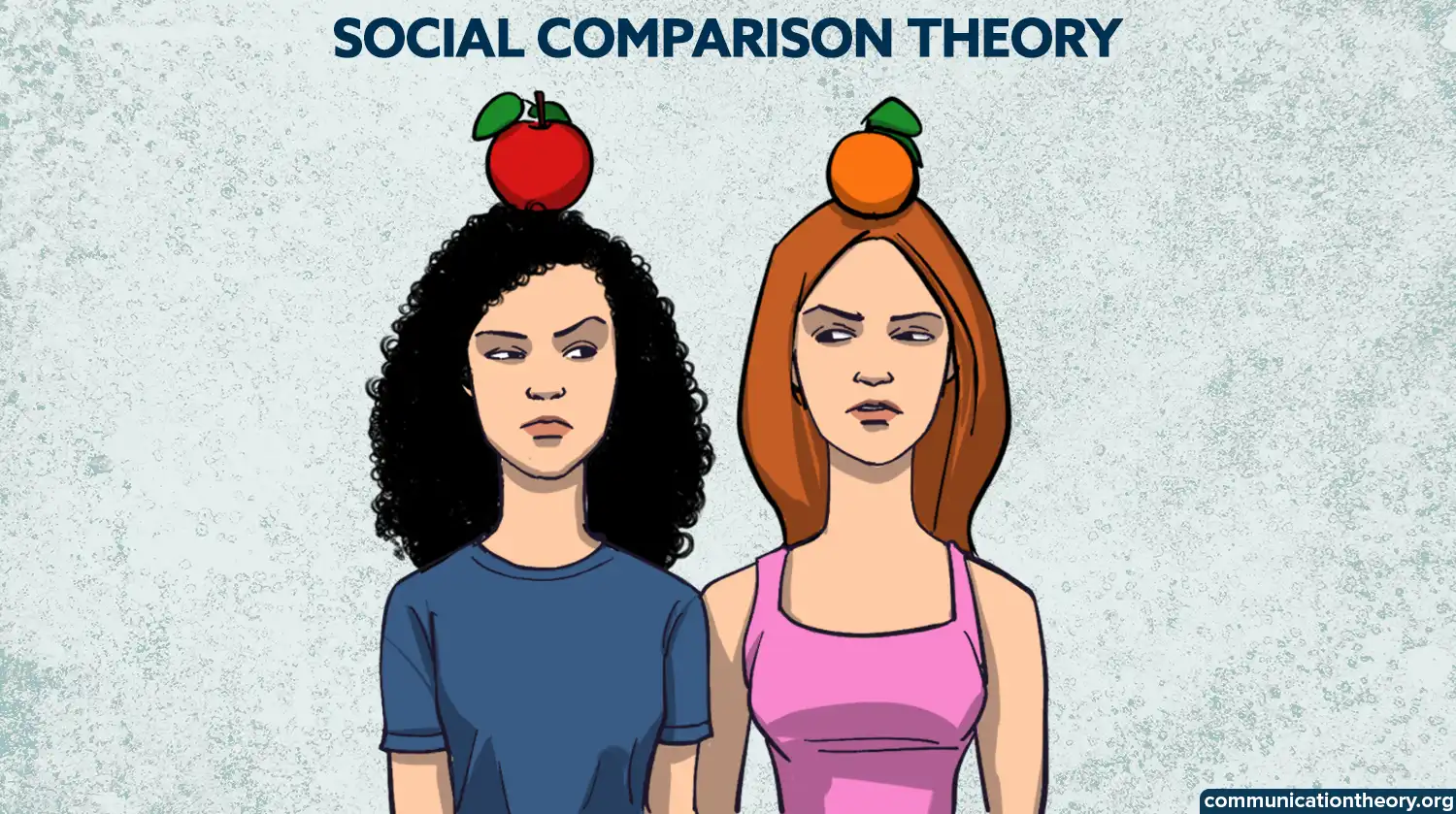
Social comparison is a fundamental aspect of human behavior, where we evaluate ourselves by comparing our traits, abilities, and opinions to those of others. This natural tendency has been studied extensively in psychology, and its impact on our self-esteem, motivation, and well-being is profound.
A Brief History of Social Comparison Theory
The concept of social comparison theory was first introduced by Leon Festinger in 1954, who proposed that people have a natural tendency to evaluate themselves by comparing their qualities to those of others. This theory has since evolved to encompass various aspects of human behavior, including self-esteem, motivation, and social relationships.
The Psychology of Social Comparison
Social comparison theory posits that individuals assess their own worth and abilities by comparing themselves to others. This process can be driven by various motives, such as self-evaluation, self-improvement, and self-enhancement. However, excessive social comparison can lead to negative consequences, including decreased self-esteem, anxiety, and depression.
The Benefits and Dangers of Social Comparison
- Benefits:
- Social comparison can provide a sense of motivation and goal direction.
- It can help individuals learn from others and improve their skills and abilities.
- Social comparison can also provide a sense of belonging and connection to others.
- Dangers:
- Excessive social comparison can lead to decreased self-esteem and self-worth.
- It can create unrealistic expectations and promote materialism and consumerism.
- Social comparison can also fuel envy, resentment, and competition.
The Role of Social Media in Social Comparison
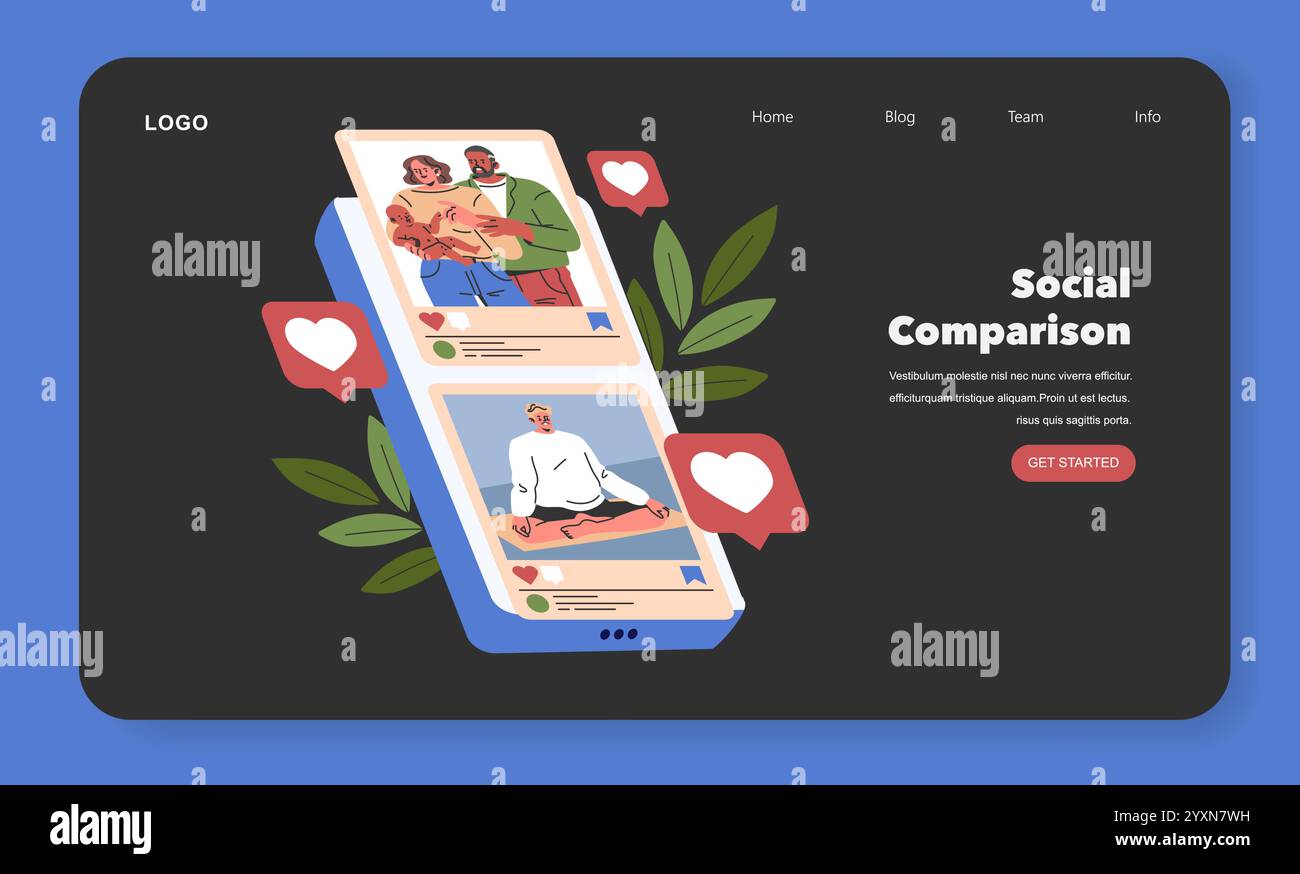
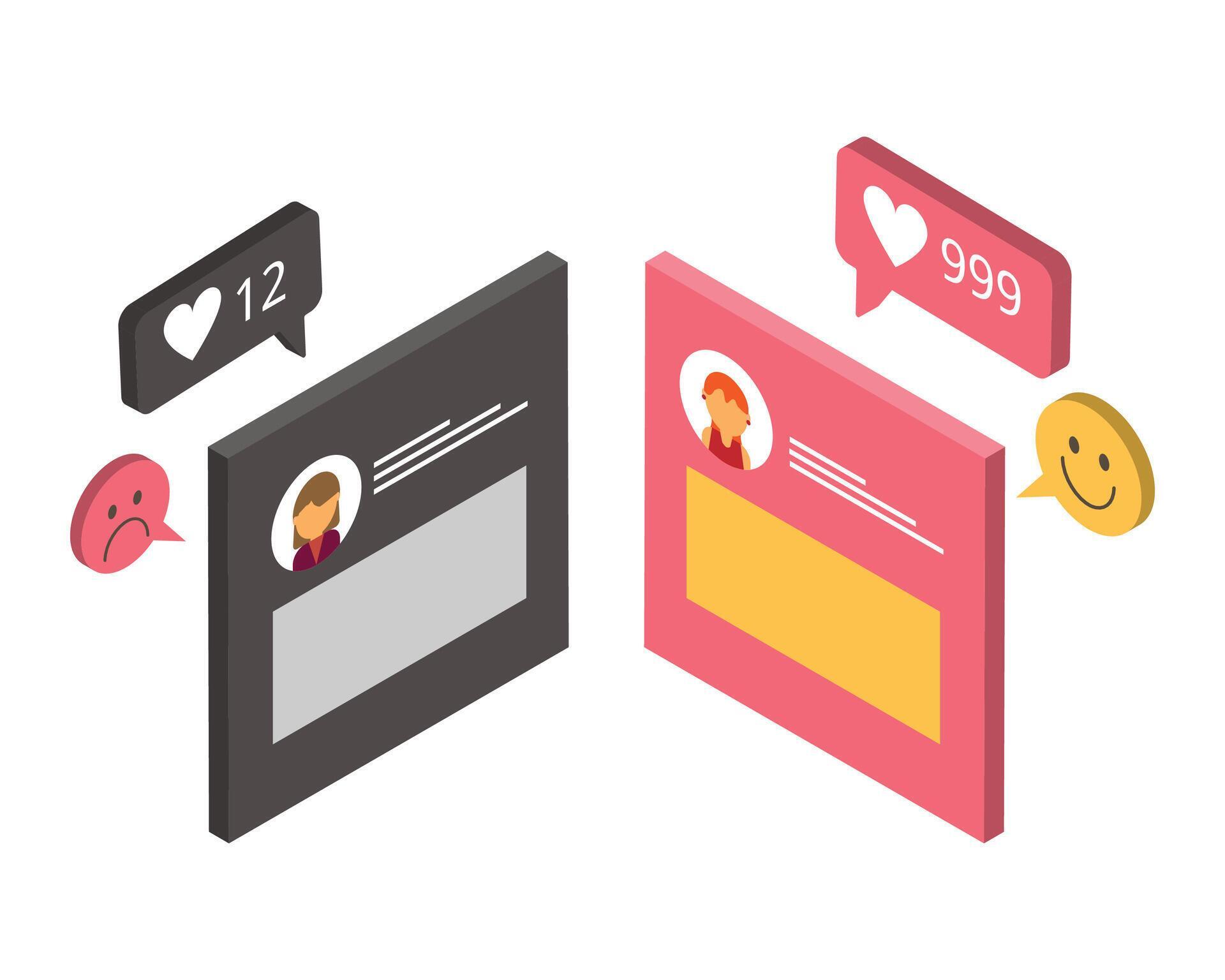
Social media platforms have made it easier than ever to engage in social comparison. The curated highlight reels and idealized portrayals of others can distort reality and create unrealistic expectations about how life "should" look. This can lead to decreased confidence and well-being, as well as a distorted view of oneself and others.
Reframing Social Comparison in a Positive Light

While social comparison can have negative consequences, it can also be a valuable tool for personal growth and development. By recognizing the benefits and dangers of social comparison, we can learn to use it in a more mindful and constructive way. This involves being aware of our own motivations and biases, as well as those of others, and using social comparison to learn from others and improve ourselves.
Conclusion
Social comparison is a fundamental aspect of human behavior that can have both positive and negative consequences. By understanding the psychology behind social comparison, we can learn to use it in a more mindful and constructive way. This involves recognizing the benefits and dangers of social comparison, being aware of our own motivations and biases, and using social comparison to learn from others and improve ourselves.
References
For further reading on social comparison theory and its applications, see:
- Festinger, L. (1954). A theory of social comparison processes. Human Relations, 7(2), 117-140.
- Garcia, S. M., & Halldorsson, A. (2015). Social comparison: A review of the literature. Journal of Social and Clinical Psychology, 34(1), 1-21.
- Bogdanoff, H. (2018). Role of self-worth contingencies and self-esteem in selecting and evaluating social comparison information. Journal of Social and Clinical Psychology, 37(1), 1-22.
Related Articles
For more information on social comparison and its applications, see:
- "The Benefits and Dangers of Social Comparison" by Kristin Neff
- "How Social Media Affects Our Self-Esteem" by Dr. Kathryn Parker
- "The Science of Social Comparison" by Scientific American