Cognitive Overload: What Is It and How to Manage It
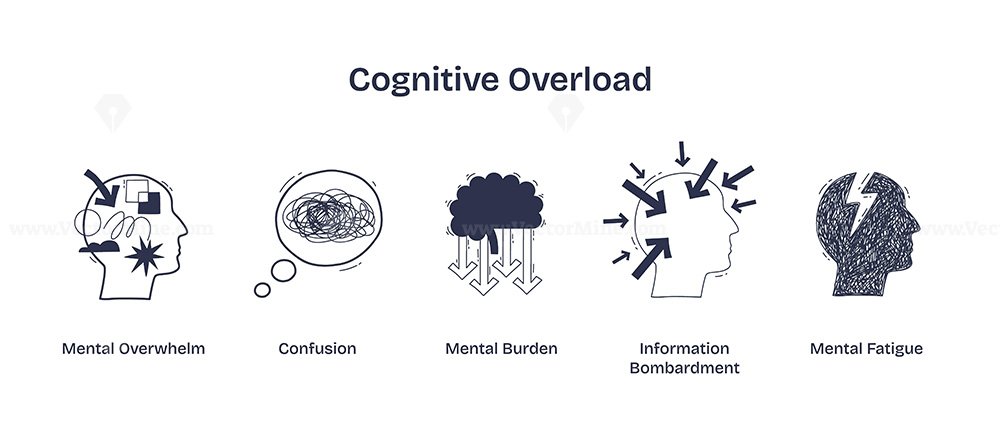
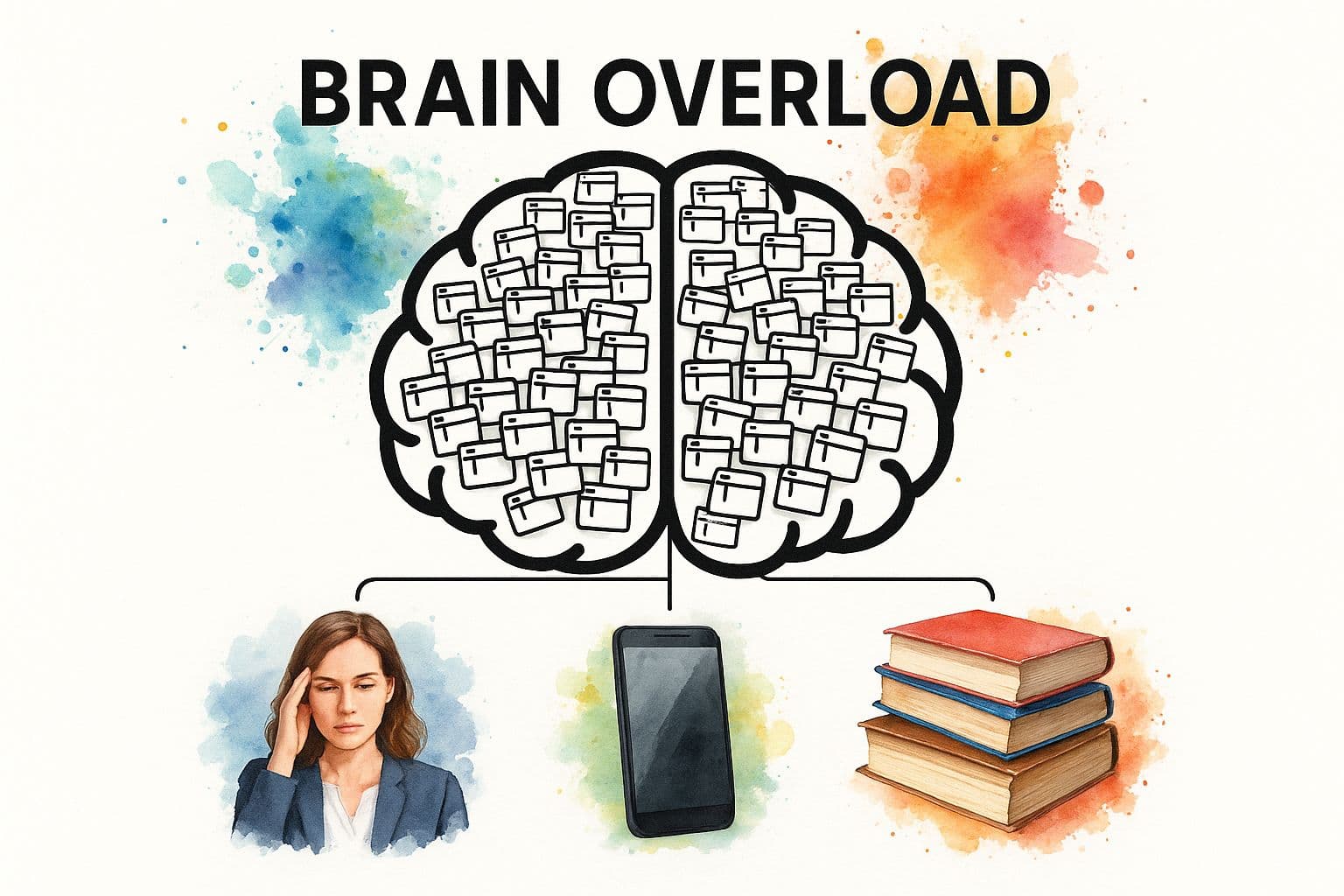
Cognitive overload is a state of mental exhaustion that occurs when the working memory becomes overwhelmed with too much information. This can lead to poor decision-making, mistakes, and decreased productivity. As a family medicine physician, I'd like to shed some light on the causes, reactions, and tips to cope with cognitive overload.
The Causes of Cognitive Overload
There are several factors that contribute to cognitive overload. Excessive information, complex tasks, multitasking, and lack of breaks are just a few of the common culprits. When you're faced with a multitude of tasks, deadlines, and responsibilities, it's easy to feel overwhelmed and struggle to keep up.
The Symptoms of Cognitive Overload
- Mental fog and confusion
- Decreased concentration and attention
- Physical fatigue and stress
- Headaches and eye strain
- Difficulty making decisions and solving problems
- Increased irritability and emotions
- Decreased creativity and motivation
- Increased error rates and mistakes
The Impact of Cognitive Overload on the Brain
Research suggests that cognitive overload can lead to changes in brain activity, particularly in the prefrontal cortex. This can result in decreased cognitive flexibility, working memory, and processing speed. Additionally, cognitive overload can negatively impact emotional regulation, leading to increased stress and anxiety.
Managing Cognitive Overload
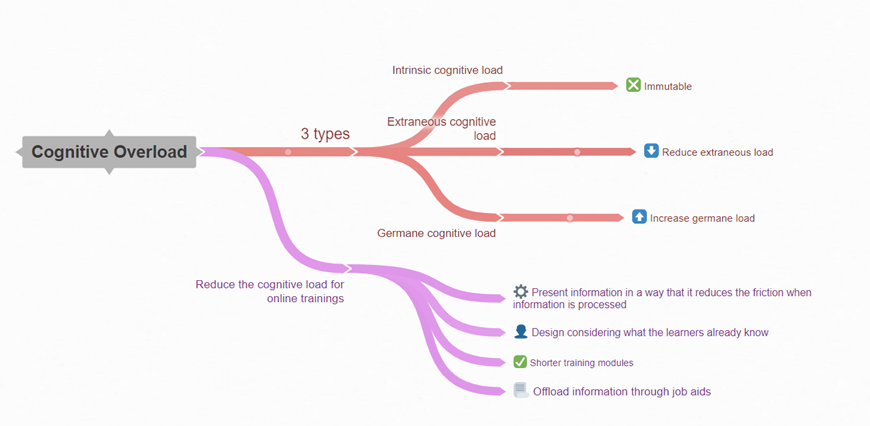
Fortunately, there are strategies to mitigate cognitive overload and reclaim your mental clarity.
Strategies for Managing Cognitive Overload
- Prioritize tasks and focus on one thing at a time
- Break tasks into smaller, manageable chunks
- Take regular breaks and practice self-care
- Use technology to automate repetitive tasks and streamline workflows
- Improve decision-making by reducing options and simplifying choices
- Practice mindfulness and meditation to reduce stress and increase focus
- Set clear goals and deadlines to stay on track
- Eliminate distractions and minimize interruptions
Conclusion
Cognitive overload is a pervasive problem in today's fast-paced, information-rich world. By understanding the causes, symptoms, and impacts of cognitive overload, we can take proactive steps to manage it. By prioritizing tasks, breaking tasks into smaller chunks, taking regular breaks, and practicing mindfulness and self-care, we can reduce cognitive overload and achieve greater productivity and well-being.
Expert Insights
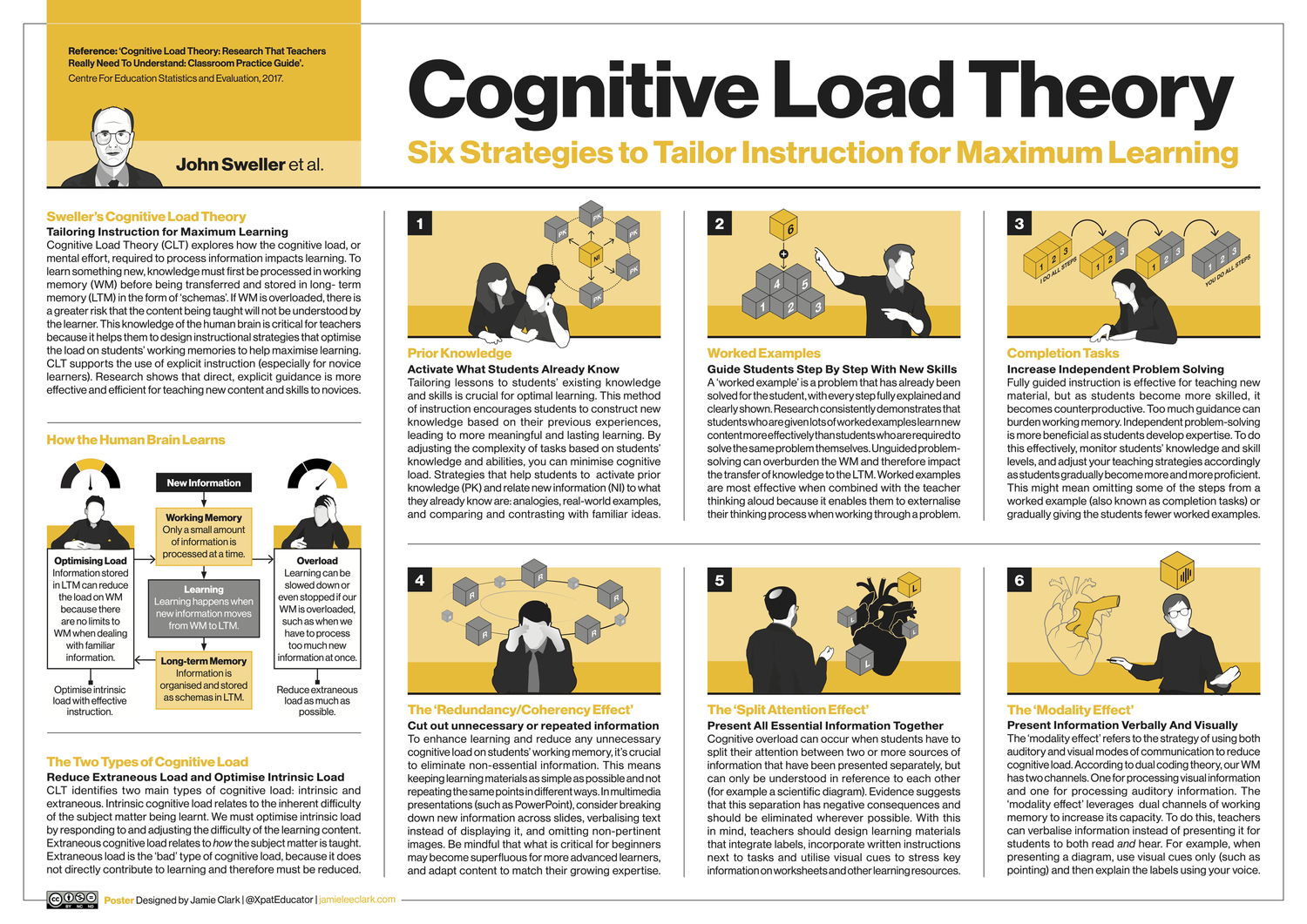
According to Dr. John Sweller, the developer of cognitive load theory, cognitive overload occurs when the working memory becomes overwhelmed with too much information. "When students are faced with complex questions or unfamiliar material, their cognitive load increases. If this load exceeds their capacity, it can negatively affect their ability to recall information and solve problems."
By understanding the intricacies of cognitive overload and implementing effective strategies to manage it, we can unlock greater productivity, creativity, and well-being in our personal and professional lives.