Creating and Selling an Online E-Learning Platform: A Step-by-Step Guide
Whether you're an educator, entrepreneur, or enthusiast, creating and selling an online e-learning platform can be a lucrative and fulfilling venture. With the rise of digital learning, the demand for high-quality online courses and platforms has skyrocketed, making it an excellent time to consider building your own online e-learning platform.
Why Create and Sell an Online E-Learning Platform?
An online e-learning platform provides numerous benefits, including:
- Flexibility: Learners can access courses from anywhere, at any time, on any device.
- Scalability: Online platforms can accommodate a large number of learners, making it easier to grow your audience.
- Cost-effectiveness: Online learning eliminates the need for physical infrastructure and reduces costs associated with traditional classroom instruction.
- Accessibility: Online platforms can reach a global audience, making education more accessible to people worldwide.
- Personalization: Online learning allows for tailored learning experiences, catering to individual needs and preferences.
Key Features to Include in Your Online E-Learning Platform
To create a compelling and user-friendly online e-learning platform, consider incorporating the following features:
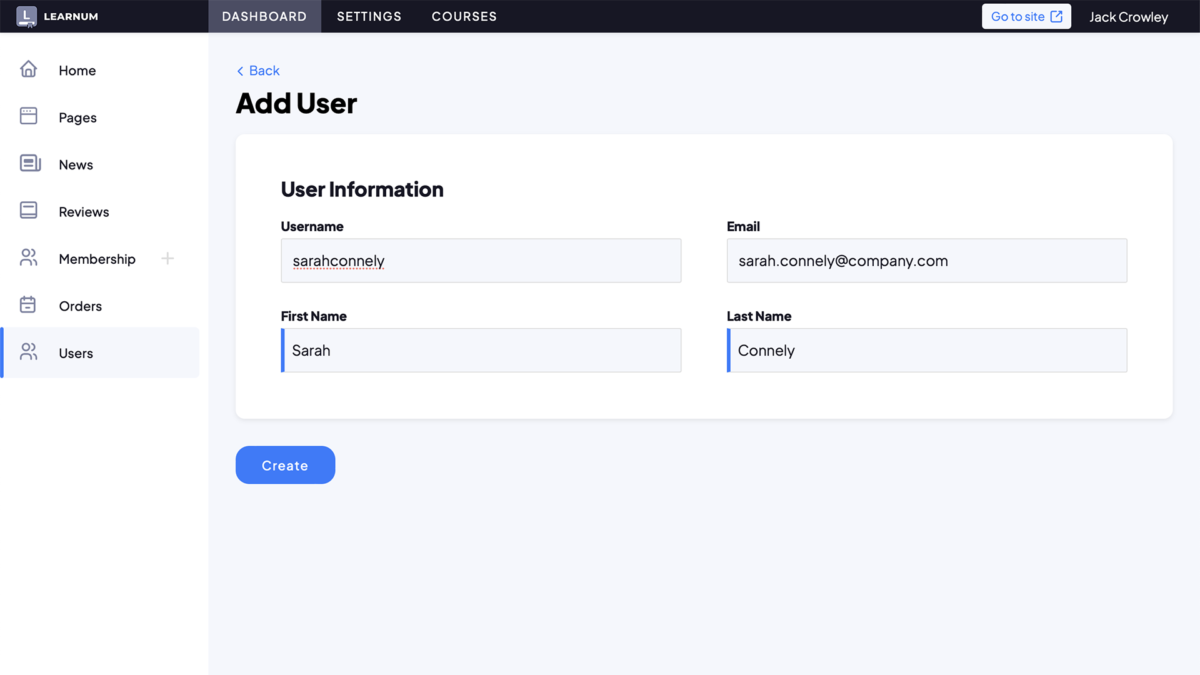
- Course creation and management tools
- Learning management system (LMS) for course organization and tracking
- User interface and user experience (UI/UX) design for easy navigation
- Secure payment gateway for seamless transactions
- Integration with social media and email marketing tools
- Live chat or discussion forum for community engagement
- Analytics and reporting tools for course performance tracking
- Multi-language and multi-currency support for global reach
Step-by-Step Guide to Creating and Selling an Online E-Learning Platform
To create a successful online e-learning platform, follow these steps:
Step 1: Define Your Niche and Target Audience
Identify a specific area of focus and target audience for your online e-learning platform. This will help you create content and features that cater to their needs and preferences.
Step 2: Plan and Design Your Platform
Develop a detailed plan for your online e-learning platform, including its features, functionalities, and user experience. Consider hiring a designer or developer to help with this step.

Step 3: Develop and Test Your Platform
Build your online e-learning platform using a suitable technology stack, such as WordPress, LMS, or a custom-built solution. Test your platform to ensure it is secure, scalable, and user-friendly.
Step 4: Develop and Curate High-Quality Content
Create engaging and informative courses, video lessons, and other learning resources that cater to your target audience's needs and preferences.
Step 5: Launch and Promote Your Platform
Launch your online e-learning platform and promote it through various marketing channels, such as social media, email marketing, and influencer partnerships.
Step 6: Monetize Your Platform
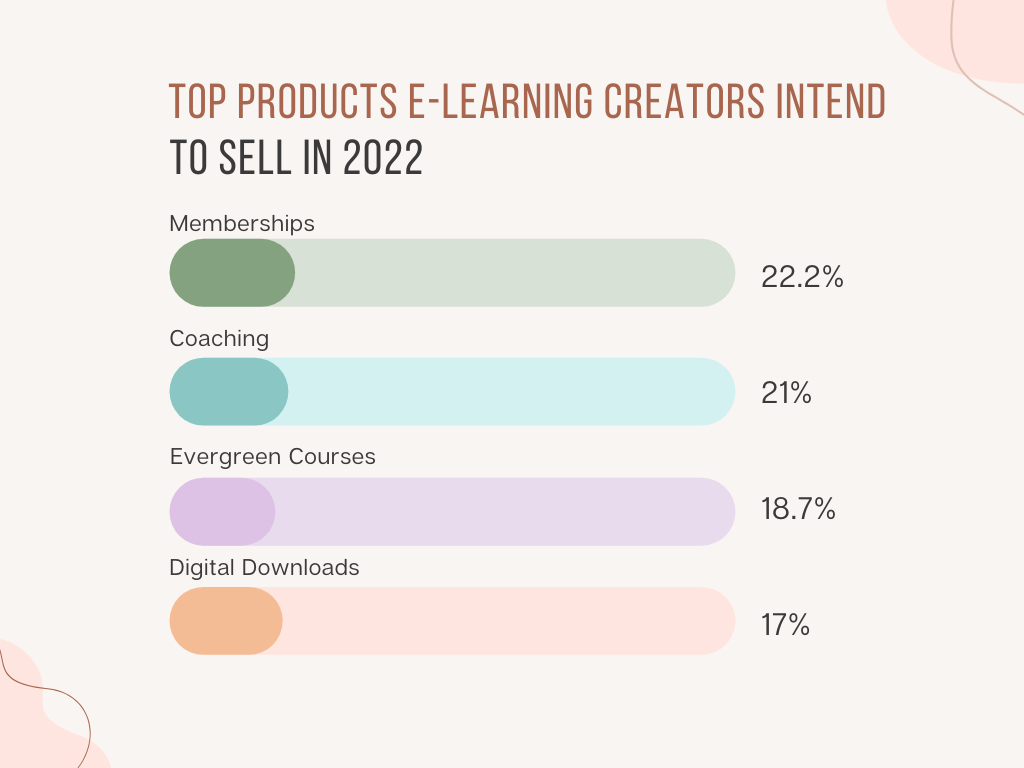
Develop a revenue strategy for your online e-learning platform, such as subscription-based, transactional sales, or affiliate marketing.
Best Practices for Creating and Selling an Online E-Learning Platform
To succeed in the online e-learning industry, consider the following best practices:
- Stay up-to-date with the latest trends and technologies in online learning.
- Invest in high-quality content and course development.
- Focus on user experience and engagement.
- Develop a robust marketing strategy to reach your target audience.
- Continuously evaluate and improve your platform.
Conclusion
Creating and selling an online e-learning platform can be a lucrative and rewarding venture, offering numerous benefits to learners, educators, and entrepreneurs alike. By following these steps and best practices, you can create a successful online e-learning platform that caters to the needs of your target audience and generates revenue for your business.














![Knowledge is Light: How To Build A Top eLearning Platform [6 Steps]](https://cdn.elearningindustry.com/wp-content/uploads/2020/11/how-to-build-a-leading-elearning-platform-in-5-steps.png "Knowledge is Light: How To Build A Top eLearning Platform [6 Steps]")