Unlock the Power of Comprehensivedata Backup and Protection Methods
In today's digital age, data is the lifeblood of businesses and individuals alike. With the increasing reliance on technology, the risk of data loss, corruption, or theft has never been greater. A comprehensive data backup and protection strategy is no longer a luxury, but a necessity for anyone who values their digital assets. In this article, we will explore the importance of data backup and protection methods, the types of backups, and the best options available to safeguard your precious data.The Importance of Data Backup and Protection
Data backup and protection is the practice of creating and maintaining copies of data to ensure its availability, integrity, and recoverability in case of data loss, corruption, or theft. A sound data backup and protection strategy is essential for individuals and organizations to protect their digital assets from various types of threats, including hardware failure, software crashes, natural disasters, cyber attacks, and human error. By having a reliable data backup and protection plan in place, you can minimize the risk of data loss, reduce downtime, and ensure business continuity.Types of Data Backups
There are several types of data backups, each with its own strengths and weaknesses: *Full Backup
A full backup involves creating a complete copy of all data on a device or system. This type of backup is typically done less frequently than other types, as it can be time-consuming and storage-intensive. *Incremental Backup
An incremental backup involves creating a copy of only the changes made to the data since the last full or incremental backup. This type of backup is faster and more efficient than full backups, as it only backs up the changes made since the last backup. *Differential Backup
A differential backup involves creating a copy of all the changes made since the last full backup. This type of backup is faster than incremental backups, as it only backs up the differences since the last full backup. *Mirror Backup
A mirror backup involves creating an exact copy of the data on another device or system. This type of backup is typically used for critical data that requires immediate availability and integrity.Best Data Backup Options

On-Premises Backup
On-premises backup involves storing backup data on local devices, such as hard drives or tape drives. This type of backup provides control and security, as the data is stored on-site and accessible only to authorized personnel. *Cloud Backup
Cloud backup involves storing backup data in a remote data center or cloud storage service. This type of backup provides flexibility and scalability, as data can be accessed from anywhere and at any time. *Hybrid Backup
Hybrid backup involves combining on-premises and cloud backup solutions to provide a comprehensive backup and protection strategy. This type of backup offers the benefits of both on-premises and cloud backup solutions.Comprehensive Data Protection Methods
In addition to backup, data protection involves ensuring the integrity and security of data throughout its lifecycle. This includes: *Security Features
Security features, such as antivirus, anti-malware, firewall, data encryption, intrusion prevention, and device control, can help protect data from various types of threats.Best Practices for Data Backup and Protection
To ensure the effectiveness of data backup and protection, follow these best practices: *Automate Backup
Automate backup processes to ensure data is backed up regularly and consistently.
Use Immutable Storage
Use immutable storage to prevent data from being changed or deleted.
Test Restoration
Regularly test restoration processes to ensure data can be recovered quickly and efficiently.
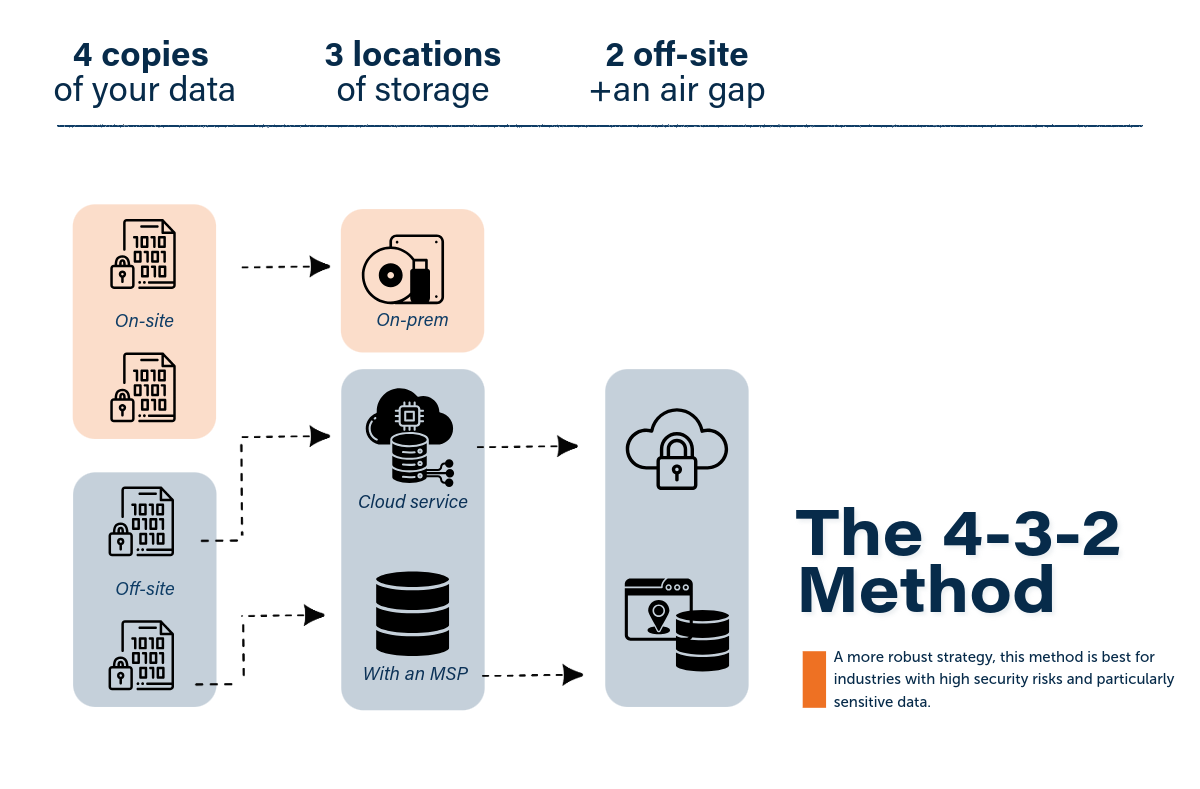
Use 3-2-1 Approach
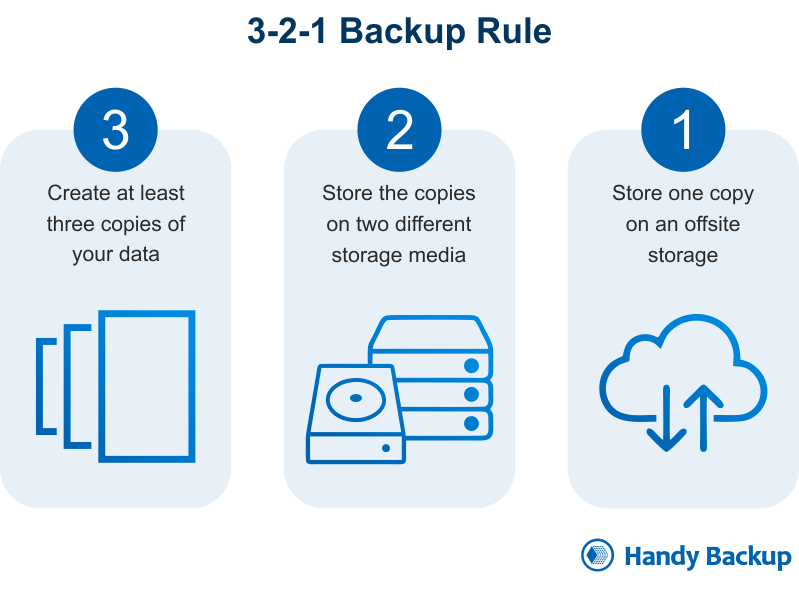
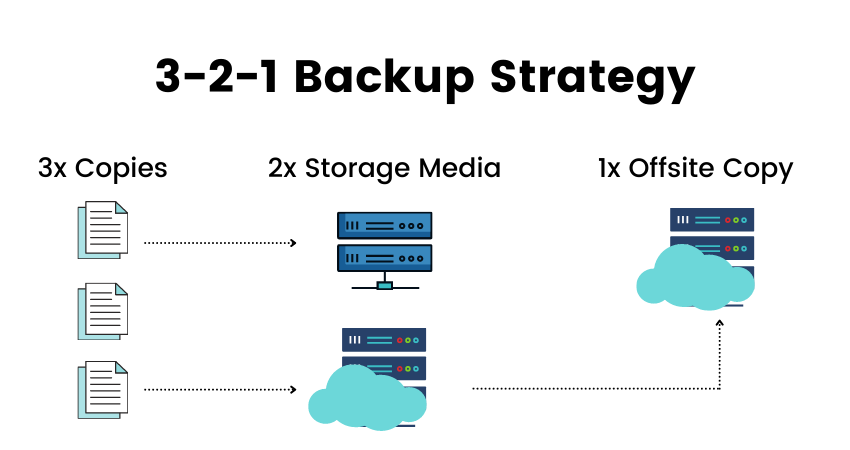
Use the 3-2-1 approach, which involves maintaining three copies of data, on two different media, with one copy stored off-site or in the cloud.