Discomfort due to phone vibrations: Understanding the science behind the sensation
Have you ever felt your phone vibrating when it's actually silent? You're not alone. A growing number of people have reported experiencing discomfort due to phone vibrations, a phenomenon known as phantom vibrations syndrome (PVS). In this article, we'll delve into the science behind PVS, its causes, and provide evidence-based strategies to help you overcome this annoying sensation.
What is phantom vibrations syndrome?
Phantom vibrations syndrome is the false perception that your phone is vibrating when it's not. This condition is often referred to as ringxiety, a portmanteau of "ring" and "anxiety." Other terms used to describe this phenomenon include fauscellarm and phonetom. Research suggests that up to 80% of people have experienced phantom vibrations at some point in their lives.
The neuroscience behind phantom vibrations
So, what happens in the brain when we experience phantom vibrations? Well, it's a complex process involving the brain's somatosensory system, which is responsible for processing sensory information from our body. When we use our phones, our brain becomes habituated to the sensation of vibrations, and this can lead to a false perception of vibration when the phone is actually silent.
The brain's dopamine system also plays a role in phantom vibrations. When we receive notifications or interact with our phones, our brain releases dopamine, which creates a feeling of pleasure and anticipation. However, this can lead to a constant state of alertness, making us more prone to misinterpreting sensory signals and perceiving phantom vibrations.
Causes of phantom vibrations
So, what are the main causes of phantom vibrations? Research suggests that several factors contribute to this phenomenon, including:
- Constant phone use: Frequent phone use can lead to a habituation of the brain, making us more prone to misinterpreting sensory signals.
- Heightened anticipation of notifications: When we constantly check our phones for notifications, our brain becomes more alert and prone to false perceptions of vibration.
- Nerve sensitivity: Some people may be more sensitive to nerve signals due to various factors such as stress, anxiety, or nerve damage.
- Stress and anxiety: High levels of stress and anxiety can contribute to phantom vibrations by activating the brain's somatosensory system.
Symptoms of phantom vibrations

Phantom vibrations can manifest in different ways, including:
- Continuous buzzing or vibration sensation: You might feel like your phone is vibrating even when it's not.
- Increased anxiety and stress: Phantom vibrations can contribute to feelings of anxiety and stress, as you become more alert and on edge.
- Relief: You may feel a sense of relief when you check your phone and find that it's not vibrating, only to be dissatisfied when it's actually vibrating as soon as you put it back down.
Strategies to overcome phantom vibrations
So, how can you overcome phantom vibrations? Here are some evidence-based strategies to help you:
- Reduce phone use**: Limit your phone use to specific times of the day, and try to avoid using your phone in situations where you're already anxious or stressed.
- Prioritize self-care**: Engage in activities that promote relaxation and reduce stress, such as meditation, yoga, or deep breathing exercises.
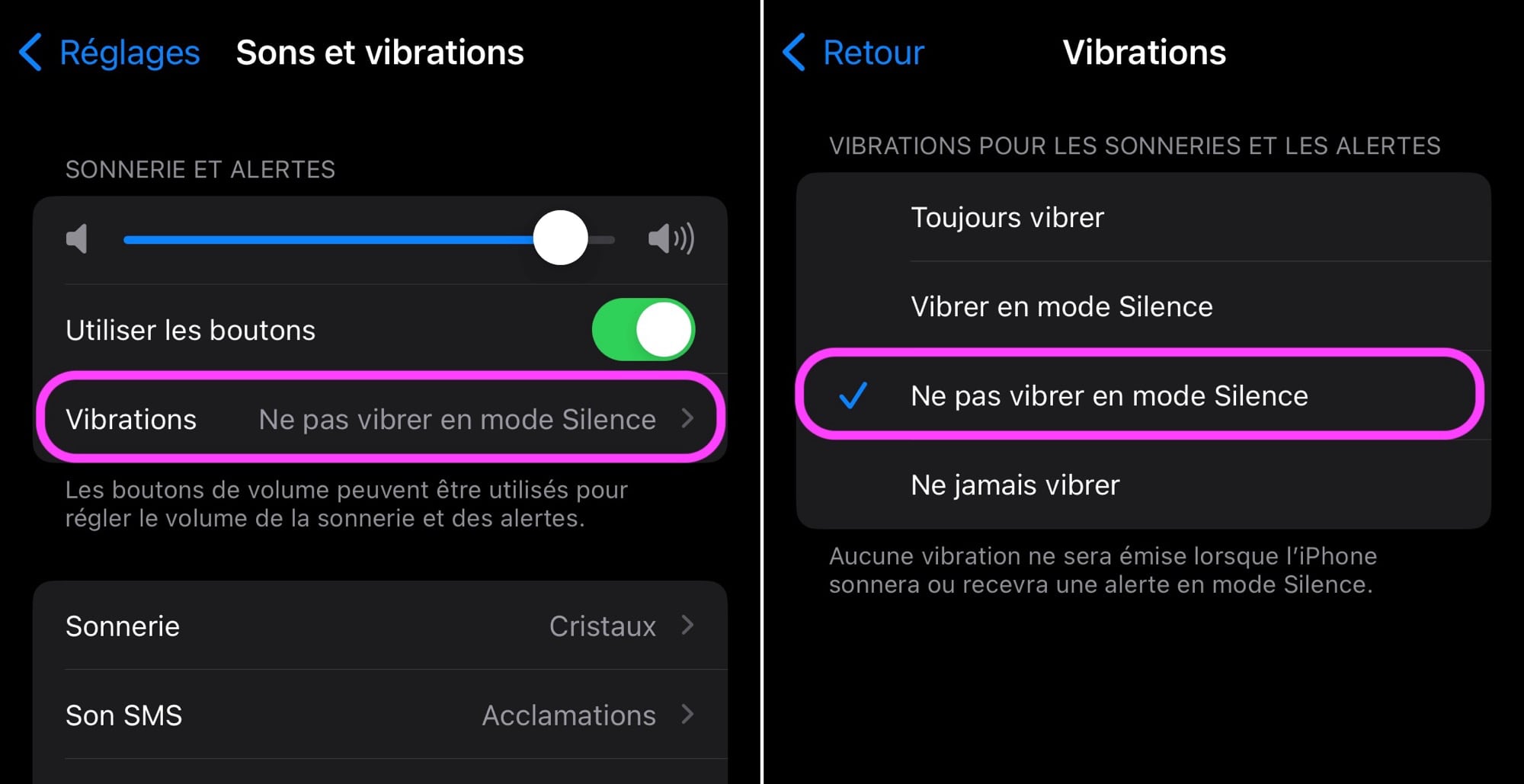
- Use vibration-reducing apps**: There are several apps available that can help reduce vibrations by allowing you to customize your phone's vibration settings.
- Seek professional help**: If you're experiencing persistent or severe phantom vibrations, consult a healthcare professional for further assistance.
Conclusion
Phantom vibrations syndrome is a common phenomenon that affects millions of people worldwide. By understanding the science behind this sensation and implementing evidence-based strategies, you can reduce your discomfort due to phone vibrations and reclaim control over your attention.
References
For more information on phantom vibrations syndrome, consult the following resources: