EU Trusts Explained
In the world of finance and law, trusts are a common yet often misunderstood concept. In this article, we will delve into the world of EU trusts, explaining what they are, how they work, and their importance in the European Union. Whether you're a seasoned expert or a beginner, this comprehensive guide will provide you with a clear understanding of EU trusts and their role in the European market.
What are EU Trusts?
A trust is a legal arrangement where one party (the trustee) holds and manages assets on behalf of another party (the beneficiary). This concept has its roots in medieval England, where trusts were initially used to manage estates while owners were away, particularly during the Crusades. Over time, trusts have evolved into a versatile legal tool used globally in estate planning, asset protection, and philanthropy.
Types of EU Trusts
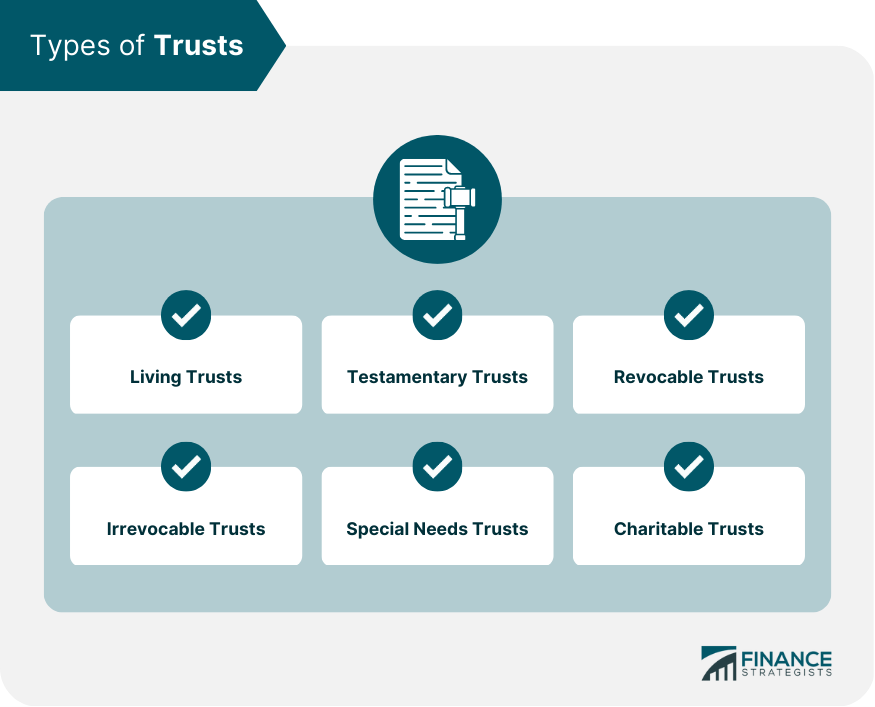
There are various types of trusts, including:
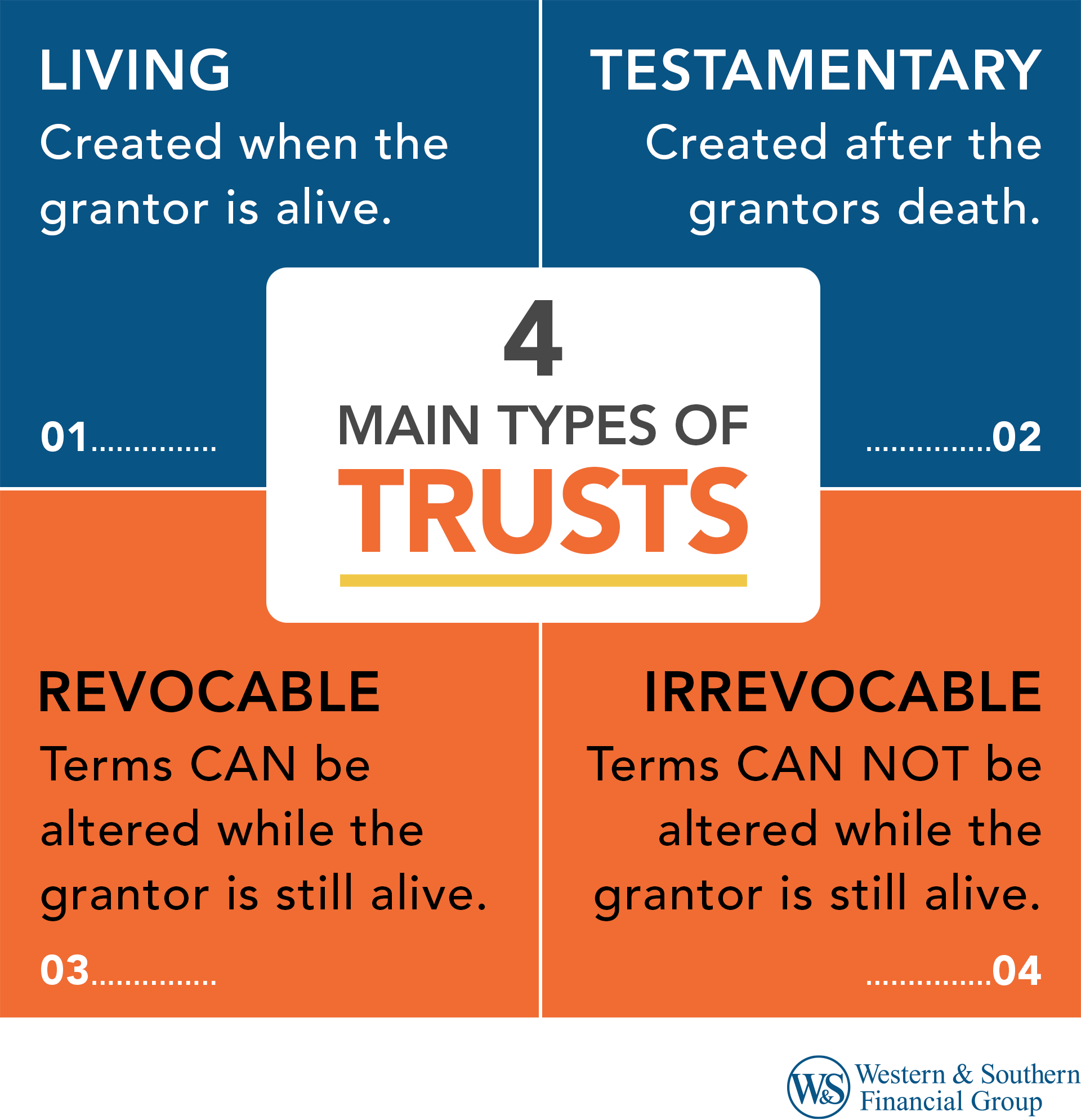
- Revocable trusts: These trusts can be amended or terminated by the grantor at any time.
- Irrevocable trusts: These trusts cannot be amended or terminated once they are created.
- Unit trusts: This type of trust allows individuals to collectively invest in a diversified portfolio of assets.
- Investment trusts: These trusts allow investors to pool their money with other investors to get exposure to a range of assets through a single investment.
- Master trusts: These are a type of trust used to hold and manage assets for a group of beneficiaries.
EU Trusts in the European Union
EU law prohibits the taxation of unrealized gains in value of assets held in a trust in the event of a transfer of the place of management of the trust to another Member State. This allows trusts to enjoy free movement in the European Internal Market.
EU Trusts and Sanctions

On April 8, 2022, the EU added Article 5m to Regulation (EU) No 833/2014 as part of the 'fifth package' of EU sanctions against Russia. Article 5m prohibits the provision of management services and fiduciary services to trusts or similar legal arrangements with Russian connections, unless the settlor or beneficiary is a national of an EU member state or a natural person.
Benefits of EU Trusts
Having an offshore trust can provide strong layers of asset protection, making it virtually impossible for creditors or predatory litigators to take advantage and come after your assets. Additionally, these structures also open the doors to investment opportunities and tax benefits.
EU Trusts and Estate Planning
Trusts are a cornerstone of estate planning and asset management in the EU. They allow you to separate the legal ownership of assets from the benefit of those assets, offering a flexible way to control how wealth is managed and passed on.
EU Trusts and the Digital Age
The European Digital Identity Regulation will come into force in May 2024, updating the regulatory framework for trust services. This document will help understand the new regulation and its amendments to the eIDAS regulation.
Conclusion
In conclusion, EU trusts are a complex and multifaceted concept that play a significant role in the European Union. Whether you're looking to understand the basics of trusts, explore their types, or learn about their benefits, this article has provided you with a comprehensive guide to EU trusts. With the emergence of new regulations and innovations in the digital age, it's essential to stay informed about the world of EU trusts and their applications.