Expired Medication Storage Guidelines: Safely Handling Unused and Expired Medications
Importance of Proper Medication Storage
Proper storage of medications is crucial to ensure their safety and potency. The way you store your medications can make a significant difference in medication safety. Every year, two million people end up in the hospital due to drug-related injuries. This can include medication errors, adverse drug reactions, allergic reactions, or overdoses. Safe and secure storage of your prescription medicine can help avoid accidental injuries.What Happens to Medications After Expiration?
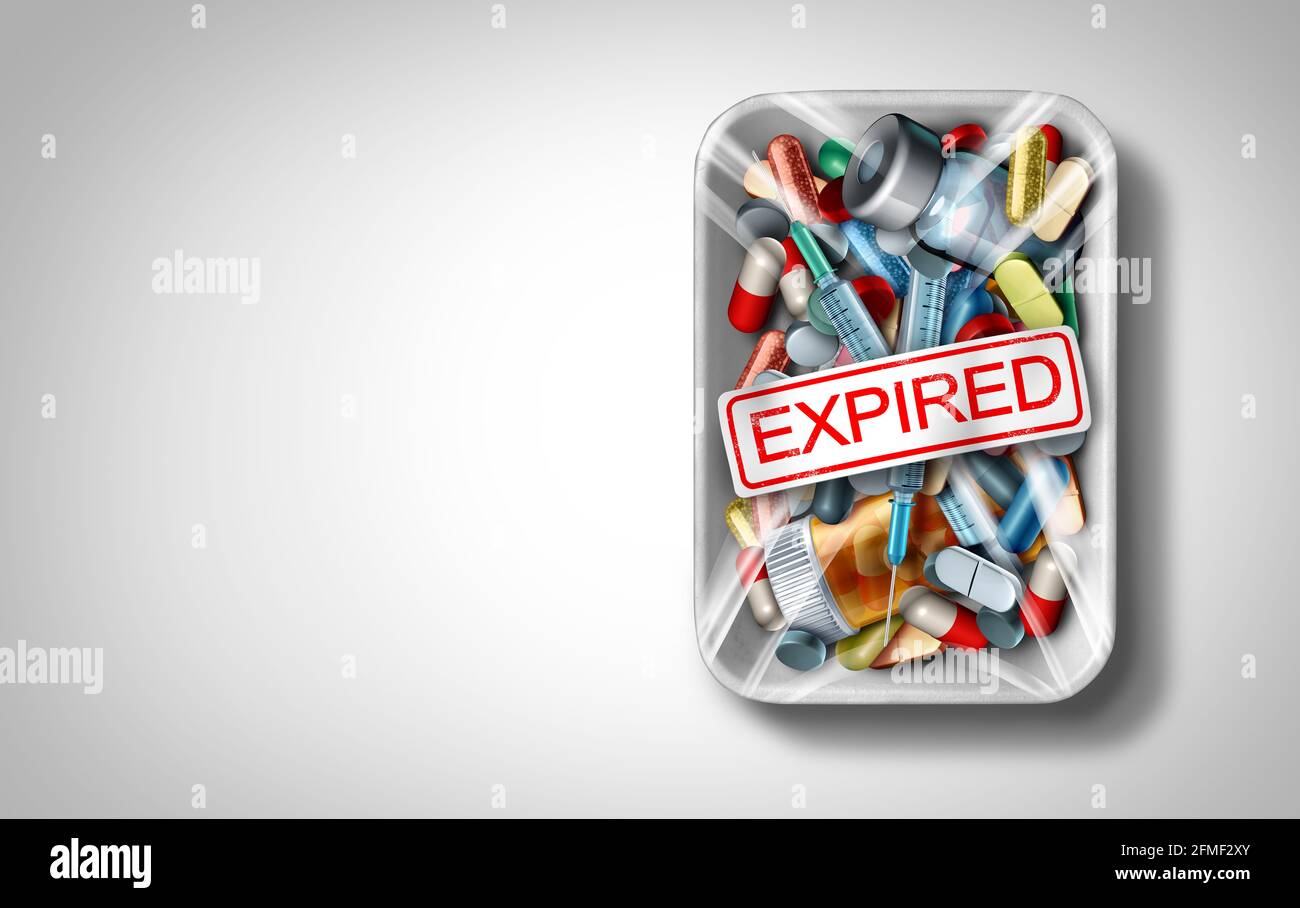
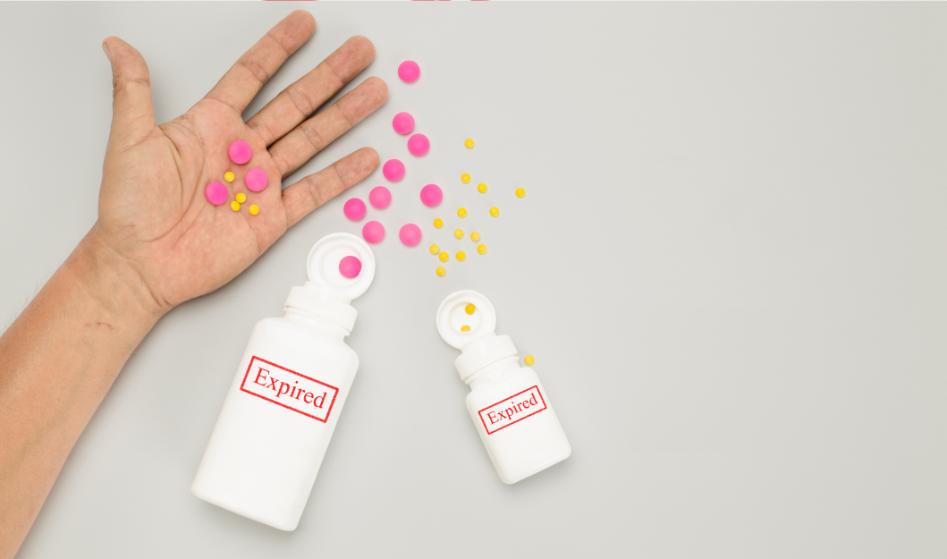
Do expired drugs lose their potency? Is it safe to take expired medications? The answer is not always straightforward. Many non-essential medications might perform well past expiration, but it's best to consult with a healthcare provider for personalized advice. Lifesaving drugs like insulin and EpiPens, where loss of potency becomes a critical concern, are a different story.Understanding Expiration Dates and Storage Guidelines
The U.S. Food and Drug Administration (FDA) requires drug applicants to provide stability testing data with a proposed expiration date and storage conditions when they submit an application for FDA approval of their drug. When storage conditions for medications are not addressed in the original package insert, a pharmacist should be consulted to determine the appropriateness of alternative storage conditions, changes to the expiration date, and the stability of the medication.Best Practices for Storing Medications
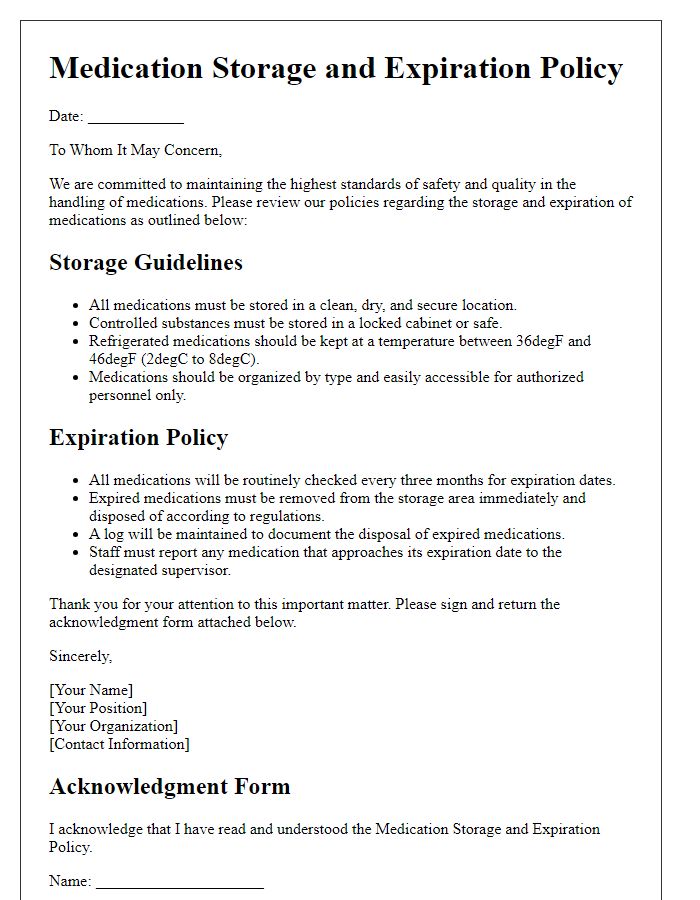
To ensure the safety and potency of your medications, follow these best practices for storing medications:- Store medications in a cool, dry place, away from direct sunlight and moisture.
- Keep medications in their original containers and label them with the date and medication name.
- Do not store medications in a bathroom or kitchen, where humidity and moisture can affect their potency.
- Do not store medications in a garage or shed, where temperature fluctuations can affect their potency.
- Keep medications out of reach of children and pets.
Expired Medication Disposal Guidelines
Disposal Options
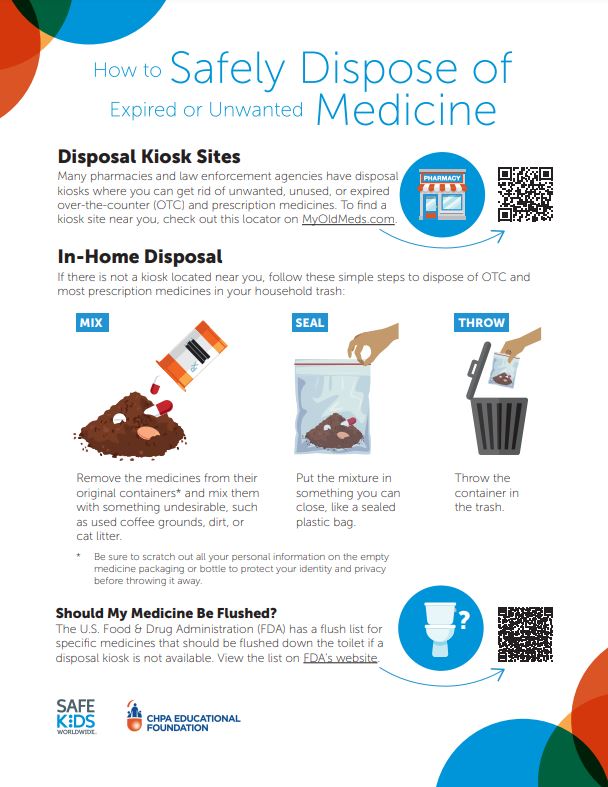
When it comes to disposing of expired medications, there are several options to consider:- Take-back programs: Many pharmacies, hospitals, and law enforcement agencies offer take-back programs for expired medications.
- Home disposal: Follow the FDA flush list for medications that can be safely disposed of in the toilet, and use a biohazard bag or container for other medications.
- Community pharmacy disposal: Many community pharmacies offer free disposal services for expired medications.
Conclusion
Proper storage and disposal of expired medications are essential components of hospital supply and equipment management. By following guidelines for storage and disposal, hospitals can prevent medication errors, reduce waste, and protect the environment. If you have any questions or concerns about storing or disposing of medications, consult with a healthcare provider or pharmacist for expert advice.Additional Resources
For more information on expired medication storage and disposal guidelines, check out the following resources:- Centers for Disease Control and Prevention (CDC) guidelines on storage, handling, and transport of vaccines and diluents.
- U.S. Food and Drug Administration (FDA) guidelines on storage and disposal of medications.
- Local community pharmacy disposal services.