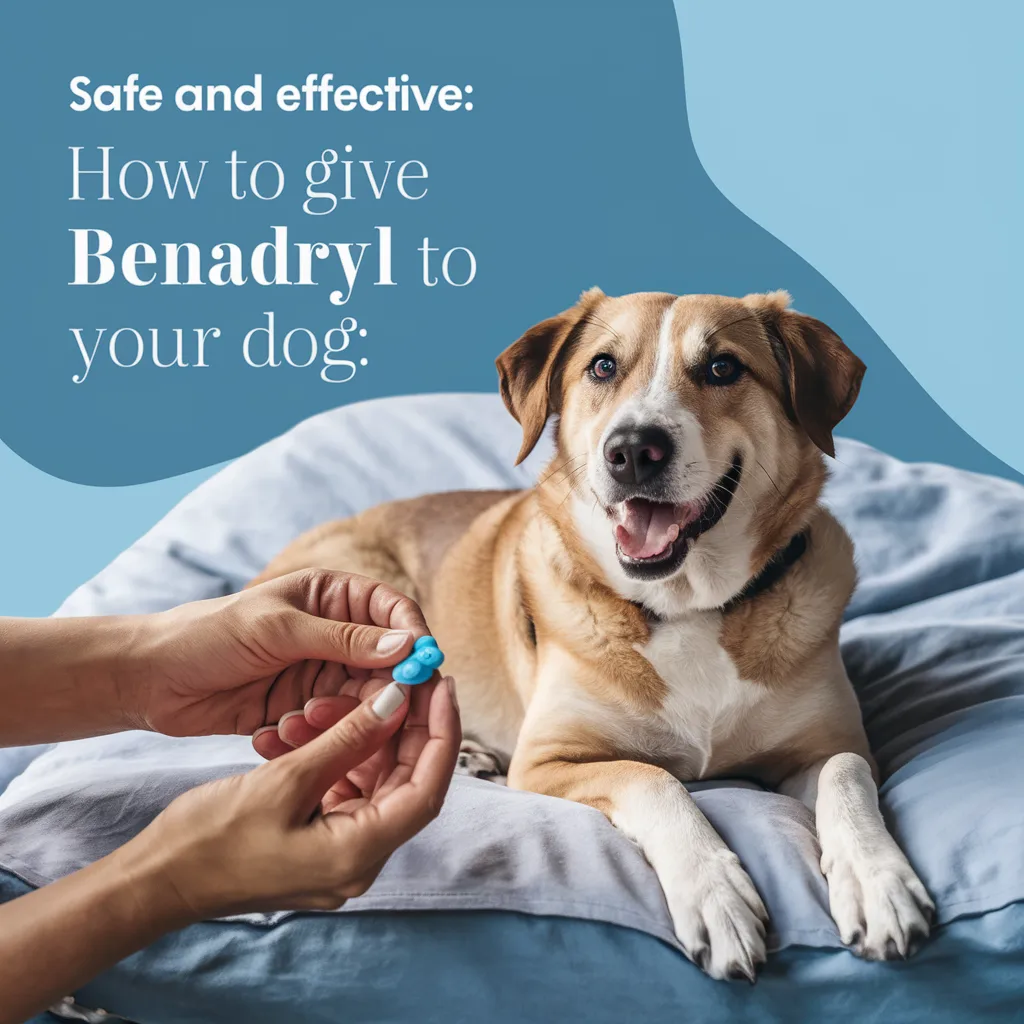
How to Administer Benadryl to a Dog: A Guide
As a dog owner, it's essential to understand how to administer Benadryl to your furry friend safely and effectively. Benadryl, also known as diphenhydramine, is an over-the-counter medication that can provide relief for dogs suffering from allergies, anxiety, bug bites, and insomnia. However, it's crucial to follow the proper dosage and guidelines to avoid any potential risks or side effects.
When Can You Give Your Dog Benadryl?
Benadryl can be given to dogs in various situations, including:
- Treating allergies and itching
- Calming anxious dogs, especially during stressful events like travel or fireworks
- Relieving bug bites and insect-related reactions
- Helping with insomnia and sleep disturbances
How to Administer Benadryl to Your Dog
The dosage of Benadryl for dogs depends on their weight and the severity of their symptoms. The general rule of thumb is to administer 1 mg of Benadryl per pound of your dog's body weight, every 8-12 hours. However, it's always best to consult with your veterinarian before giving your dog Benadryl, as they can determine the safe dose based on your dog's specific needs and health status.
To administer Benadryl, you can give it to your dog in various forms:
- Tablets: Crush the tablet and mix it with food or water to ensure your dog takes the correct dose.
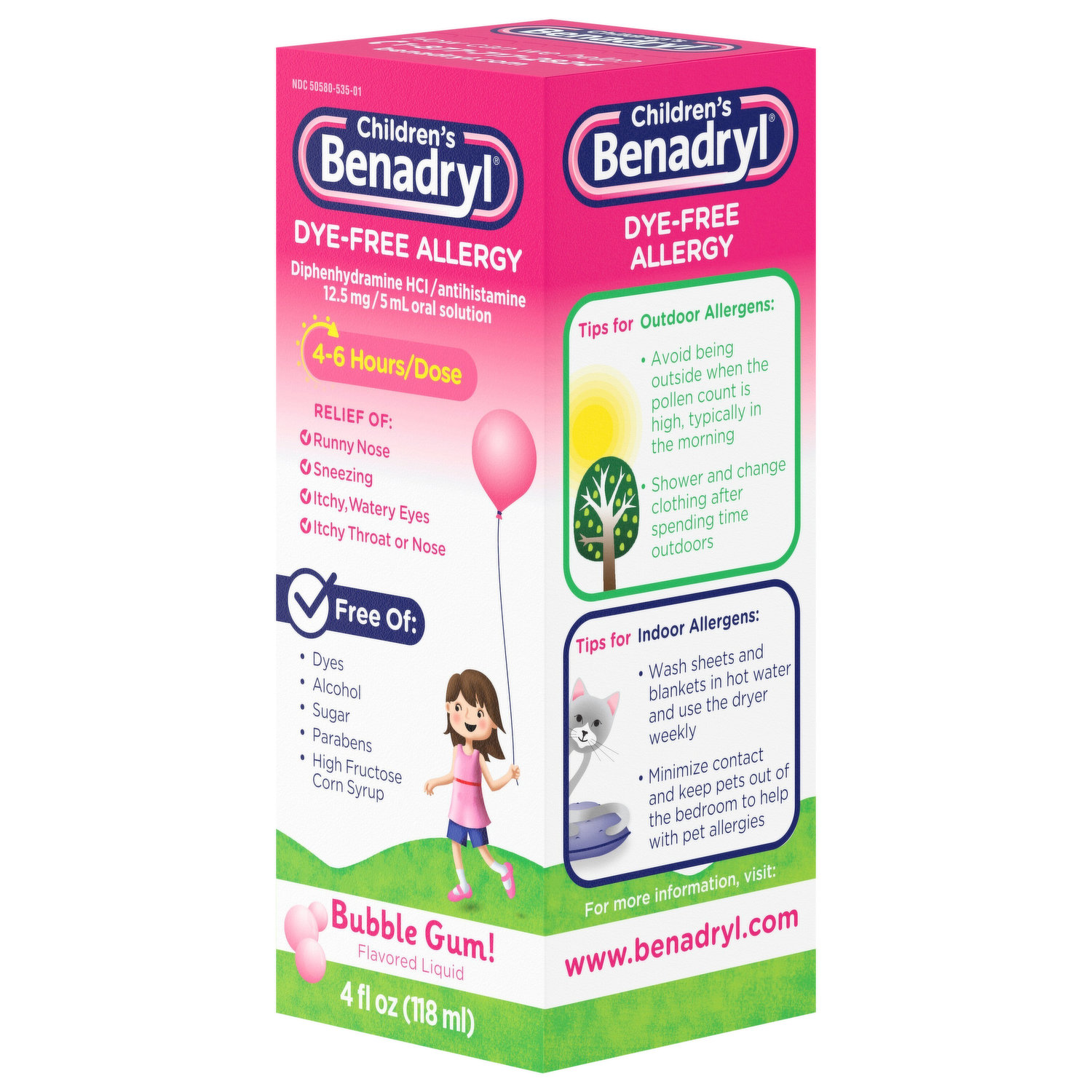
- Liquid: Measure the correct dose using a dropper or measuring cup to avoid overdosing.
- Topical: Apply the topical form to the affected area, but be sure to follow the instructions carefully.
Important Safety Considerations

When giving your dog Benadryl, it's essential to be aware of the potential risks and side effects:
- Overdosing can lead to toxicity, so it's crucial to follow the correct dosage and guidelines.
- Dogs with certain medical conditions, such as heart disease or high blood pressure, may not be suitable for Benadryl.
- Benadryl can interact with other medications, so consult with your veterinarian before giving it to your dog.
Alternatives to Benadryl
While Benadryl can be an effective solution for dogs, there are alternative options you can consider:
- Zyrtec (cetirizine): A similar antihistamine that can provide relief for dogs.
- CBD oil: A natural option that can help calm anxious dogs.
- Quercetin: A plant-based supplement that can help alleviate allergic reactions.
Conclusion
Administering Benadryl to a dog requires careful attention to the correct dosage and guidelines. By following the steps outlined in this guide and consulting with your veterinarian, you can help your dog feel more comfortable and alleviate their symptoms safely and effectively.
Remember, it's always better to err on the side of caution when it comes to your dog's health, and if you're unsure about giving your dog Benadryl, it's best to consult with your veterinarian for personalized advice.