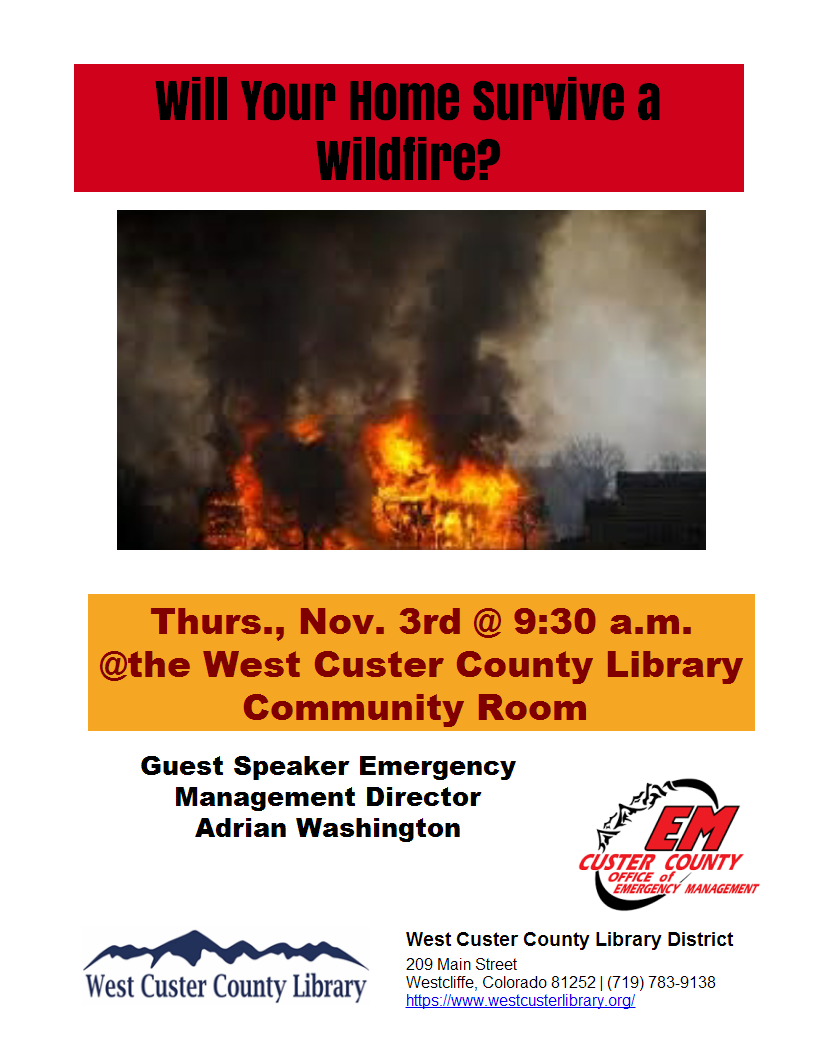
How to Protect Your House from Wildfires: Essential Safety Tips
Living in areas prone to wildfires can be a daunting experience. The constant threat of a devastating fire can leave homeowners feeling anxious and uncertain about their safety. However, there are steps you can take to protect your house from wildfires and minimize the risk of damage. In this article, we will explore the essential safety tips to help you safeguard your home and property from the dangers of wildfires.
Clearing Debris and Vegetation
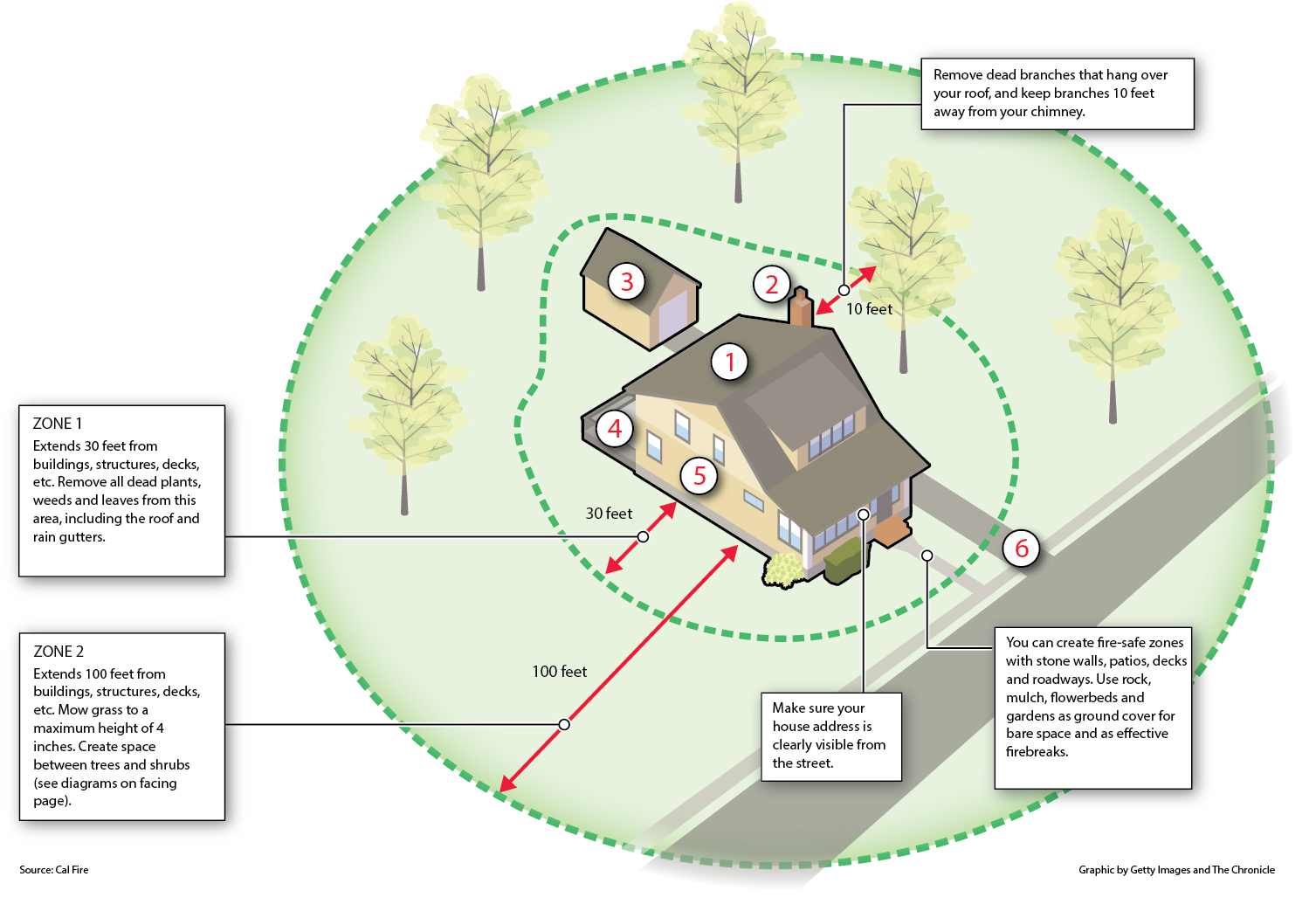
Clearing leaves and other debris from roofs, gutters, porches, and decks is crucial in preventing embers from igniting near your home. This simple step can help reduce the risk of a wildfire spreading to your property. Additionally, keeping your lawn well-watered and clearing away flammable vegetation and debris can create a defensible space around your home, which acts as a barrier to slow or halt the progress of fire.
- Remove dead leaves and branches from your roof and gutters.
- Clear away flammable vegetation and debris from around your home.
- Keep your lawn well-watered to reduce the risk of fires spreading.
Fire-Resistant Materials and Design
When building or renovating your home, consider using fire-resistant materials and design methods. This can include using fire-resistant shingles, choosing non-wood siding options, and installing heavy-duty windows to reduce radiant exposure. By using fire-resistant materials and design methods, you can help protect your home from the dangers of wildfires.
- Use fire-resistant shingles on your roof.
- Choose non-wood siding options or fire-resistant hardwoods like Ipe.
- Install heavy-duty windows to reduce radiant exposure.
Creating a Defensible Space

A defensible space is a buffer between your structure and the surrounding area. This buffer acts as a barrier to slow or halt the progress of fire that would otherwise engulf your property. Creating a defensible space is essential in protecting your home and property from wildfires. This can include clearing away flammable vegetation and debris, keeping your lawn well-watered, and using fire-resistant materials and design methods.
Preventing Embers from Igniting
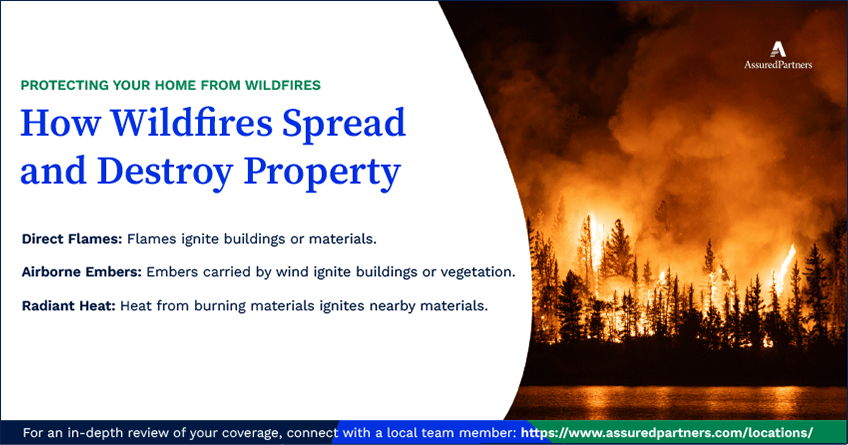
Embers can easily set fire to flammable materials, including mulch, plants, and other organic materials. To prevent embers from igniting, consider replacing organic mulch within five feet of your home with gravel or stone mulch products. Additionally, avoid using plants that contain oils and resins, like juniper and pine, as they can be particularly dangerous.
Staying Prepared
While you can't prevent all wildfires from happening, there are steps you can take to prepare for the threat of wildfires. This includes staying informed about wildfire risk reduction efforts, including prescribed fire to manage local landscapes. Additionally, talk to your local fire department about how to prepare, when to evacuate, and the response you and your neighbors can expect in the event of a wildfire.
Conclusion
Protecting your house from wildfires requires a combination of preparation, awareness, and action. By clearing debris and vegetation, using fire-resistant materials and design methods, creating a defensible space, preventing embers from igniting, and staying prepared, you can help safeguard your home and property from the dangers of wildfires. Remember, it's always better to be safe than sorry, and taking proactive steps to protect your home can make all the difference in the event of a wildfire.