Identity Theft Protection for Banks and Creditors: A Comprehensive Guide
As cases of identity theft continue to rise, it's essential for banks and creditors to have a robust identity theft protection program in place. This article will provide an in-depth look at the measures banks and creditors can take to detect, prevent, and mitigate identity theft.
The Regulations and Requirements
The Fair Credit Reporting Act's Identity Theft Rules require financial institutions and creditors to develop and implement a written Identity Theft Prevention Program. This program must be designed to detect, prevent, and mitigate identity theft in connection with the opening of a covered account or any existing account.
Entities subject to the Identity Theft Red Flags Rules must adopt identity theft programs, which include detection, prevention, and mitigation measures. Appendix I of 12 CFR Part 1022 (Regulation V) provides guidance on implementing these measures.
The Identity Theft Prevention Program
When designing an Identity Theft Prevention Program, a financial institution or creditor may incorporate its existing policies, procedures, and other arrangements that control reasonably foreseeable risks to customers or to the safety and soundness of the financial institution or creditor from identity theft.
The program must include the following:
- Identification of covered accounts and red flags
- Procedures for responding to alerts and notifications of potentially fraudulent activity
- Procedures for detecting, preventing, and mitigating identity theft
- Training for employees on the program and procedures
- Review and updating of the program on a regular basis
Detectors of Address Changes
The regulations also require issuers of credit cards and debit cards to assess the validity of notifications of changes of address.
This means that banks and creditors must have processes in place to verify changes of address and detect potential identity theft.
Documenting Identity Theft Cases
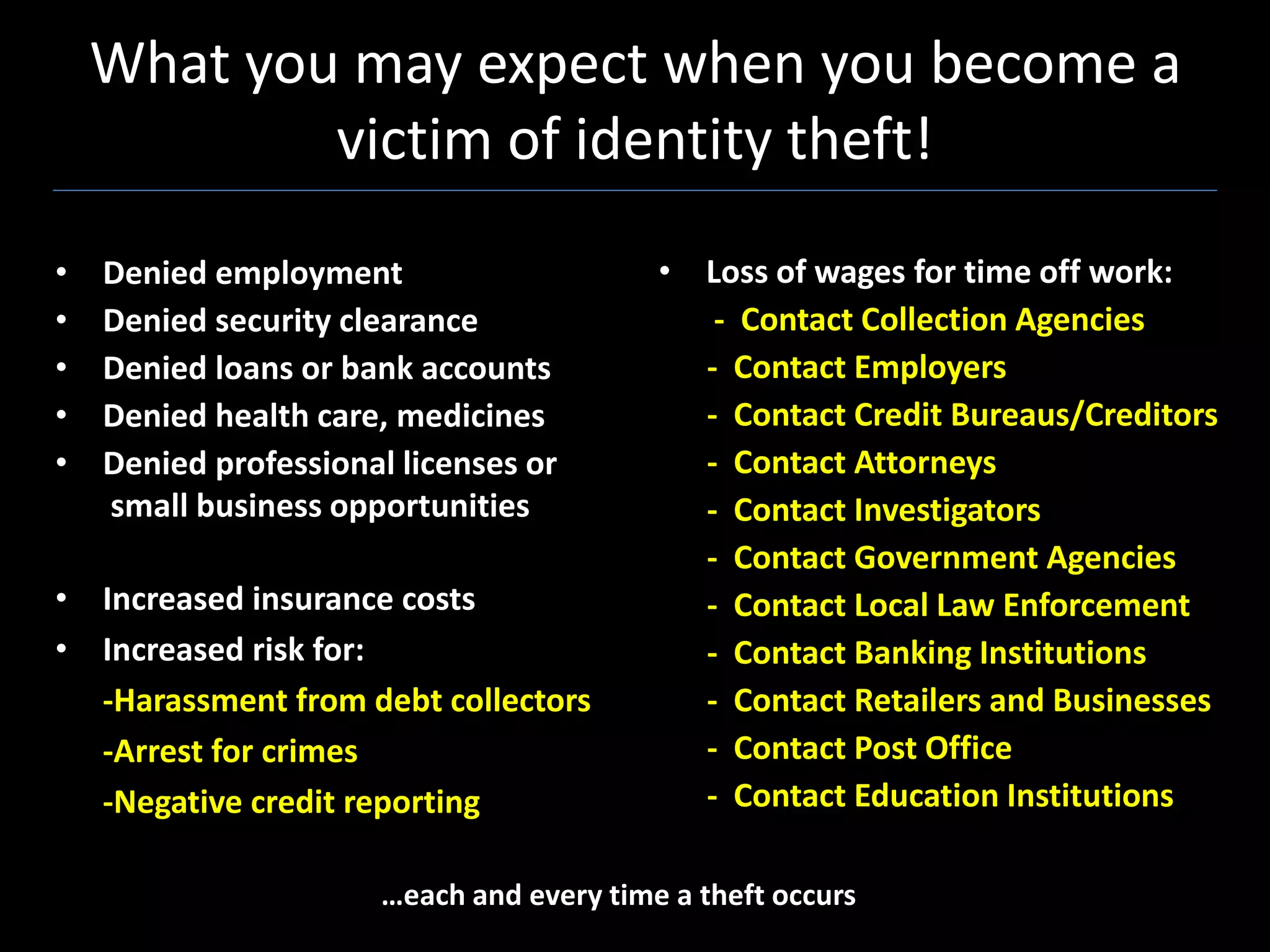
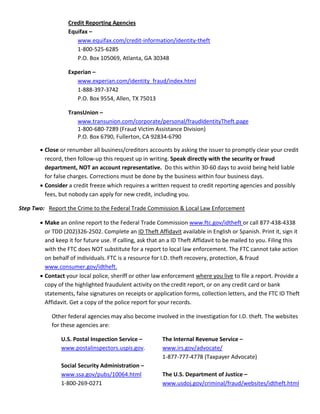
When dealing with identity theft cases, it's essential to gather evidence and documentation to support the claim. This may include:

- Copy of the FTC Identity Theft Report or police report
- Proof of address and government photo ID
- Documentation of fraudulent transactions or accounts
- Notification from creditors reporting false accounts
Identity Theft Protection Services
Many identity theft protection services offer dedicated identity restoration specialists who handle communications with creditors on behalf of the victim. This saves substantial time and frustration during recovery.
Some popular identity theft protection services include:
- Experian IdentityWorks
- Identity Watchdog
- SmartCredit
- LifeLock
Conclusion
Identity theft protection for banks and creditors is a critical aspect of maintaining customer trust and safety. By implementing robust identity theft prevention programs, detecting address changes, documenting identity theft cases, and offering identity theft protection services, banks and creditors can mitigate the risks associated with identity theft.
As the number of identity theft cases continues to rise, it's essential for banks and creditors to stay vigilant and take proactive measures to protect their customers and their businesses.
Recommendations
Based on this guide, we recommend that banks and creditors:
- Develop and implement a comprehensive Identity Theft Prevention Program
- Establish strict policies and procedures for detecting and preventing identity theft
- Provide ongoing employee training on identity theft prevention and detection
- Use identity theft protection services to support their customers and employees
By following these recommendations, banks and creditors can reduce the risks associated with identity theft and maintain a strong reputation in the eyes of their customers and regulators.