The Hidden Dangers of Phubbing: Uncovering the Impact of Phubbing on Mental Health
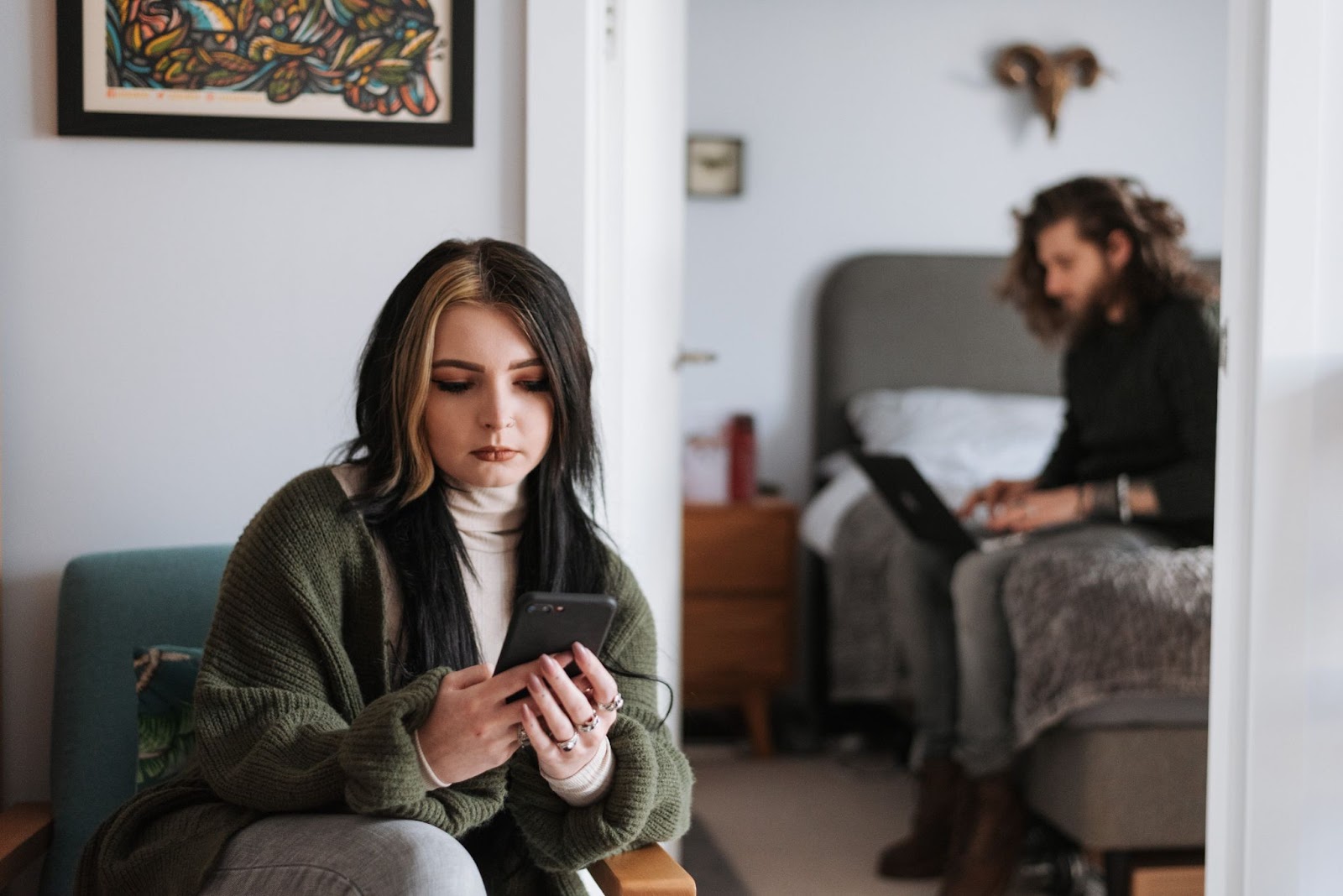
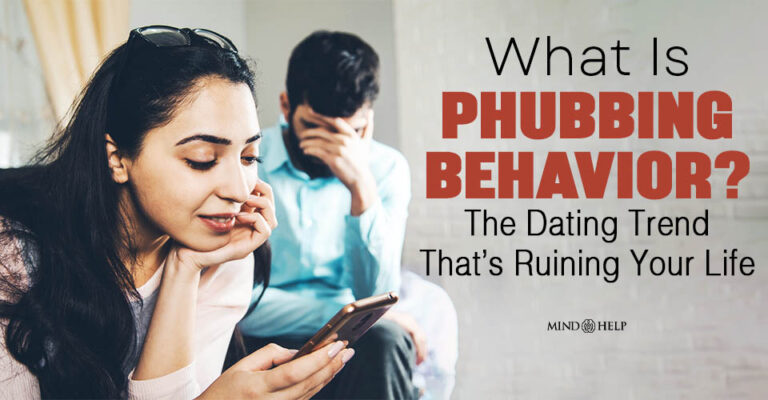
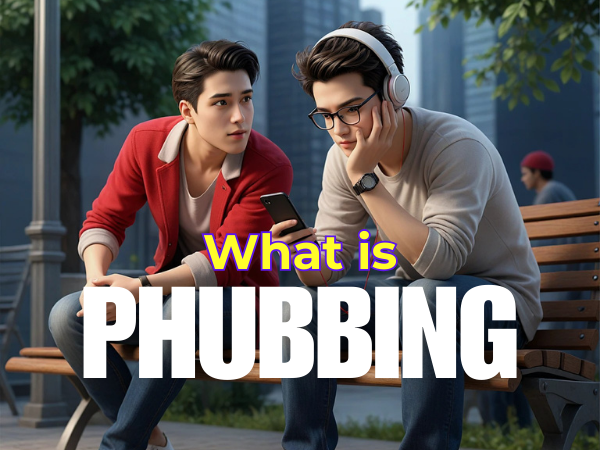
In today's digital age, we are more connected than ever before. With the proliferation of smartphones and social media, it's easier than ever to stay in touch with friends and family. However, this increased connectivity has also given rise to a phenomenon known as "phubbing," or the act of neglecting someone in a social setting by focusing on one's phone instead of actively engaging with them. Despite its seemingly harmless nature, phubbing has a profound impact on mental health and relationships.
The Impact of Phubbing on Mental Health
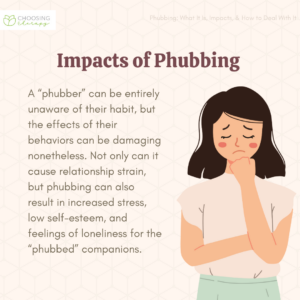
Phubbing can have a devastating impact on mental health, leading to feelings of exclusion, stress, and diminished self-worth. When individuals feel neglected or ignored, it can lead to a range of negative emotions, including anxiety, depression, and loneliness. A study published in the Journal of Social and Clinical Psychology found that people who were phubbed by their romantic partners experienced higher levels of anxiety and depression than those who were ignored in person.
The impact of phubbing on mental health is further complicated by the fact that it can affect relationships in profound ways. When individuals feel ignored or neglected, they are more likely to feel disconnected from their partners and friends, leading to conflicts and emotional detachment. In fact, research has shown that phubbing is a major predictor of relationship problems, including break-ups and divorce.
The Causes of Phubbing
So, what drives individuals to phub? According to research, there are several factors at play. One major culprit is the fear of missing out (FOMO), which is the anxiety people experience when they feel left out of social events or activities. This fear can lead individuals to constantly check their phones for updates and notifications, often at the expense of face-to-face interactions.
Another factor contributing to phubbing is the pressure to stay connected and accessible. Many individuals feel the need to be available 24/7 and respond quickly to messages and notifications. This can lead to a decrease in meaningful interactions and a sense of isolation, even when surrounded by others.

Breaking the Phubbing Cycle
So, what can be done to break the phubbing cycle and promote healthier relationships and mental health? First and foremost, individuals need to be aware of their phubbing behavior and acknowledge the impact it has on themselves and others. By recognizing the negative effects of phubbing, we can take steps to modify our behavior and prioritize face-to-face interactions.
- Practice mindfulness and self-awareness: Pay attention to your phone use and make a conscious effort to put it down when interacting with others.
- Set boundaries: Establish rules and expectations around phone use in social situations.
- Engage in activities that promote face-to-face interaction: Regularly schedule in-person meetups and activities with friends and family.
- Use technology to promote social connections: Utilize social media and messaging apps to facilitate social connections and support relationships.
Conclusion
Phubbing is a serious issue that has a profound impact on mental health and relationships. By recognizing the causes and consequences of phubbing, we can take steps to break the cycle and promote healthier interactions and connections. Remember, it's never too late to acknowledge the harm caused by phubbing and make a change towards a more connected, more meaningful life.
References
References: PMC6957850, PMC6174785, PMC6281872