Understanding the Power of Integrated Circuits: A Comprehensive Guide
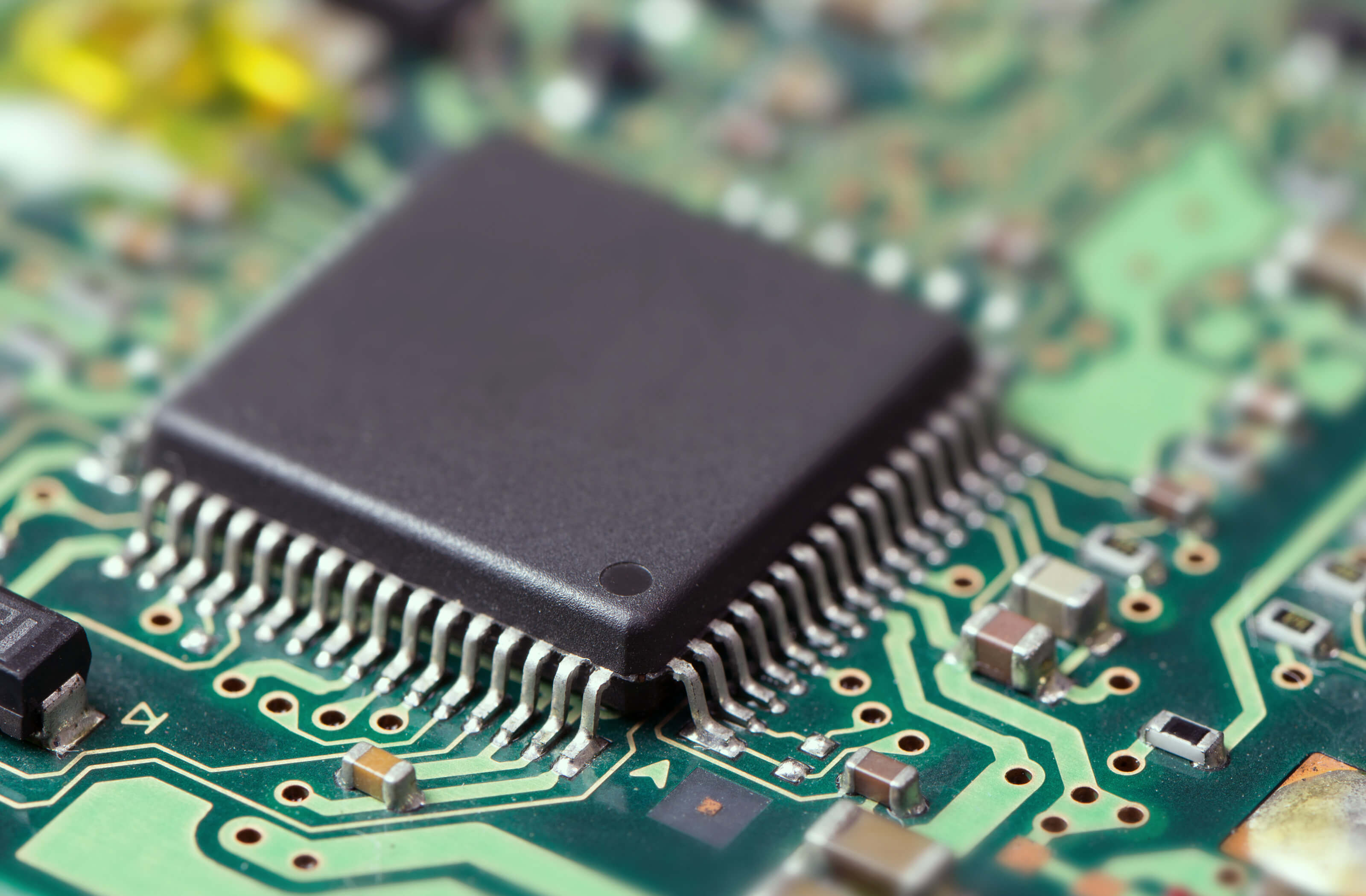
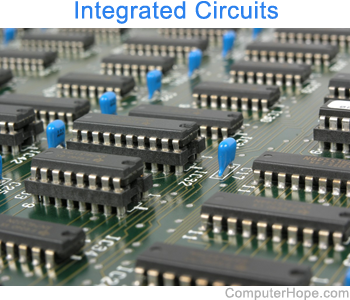
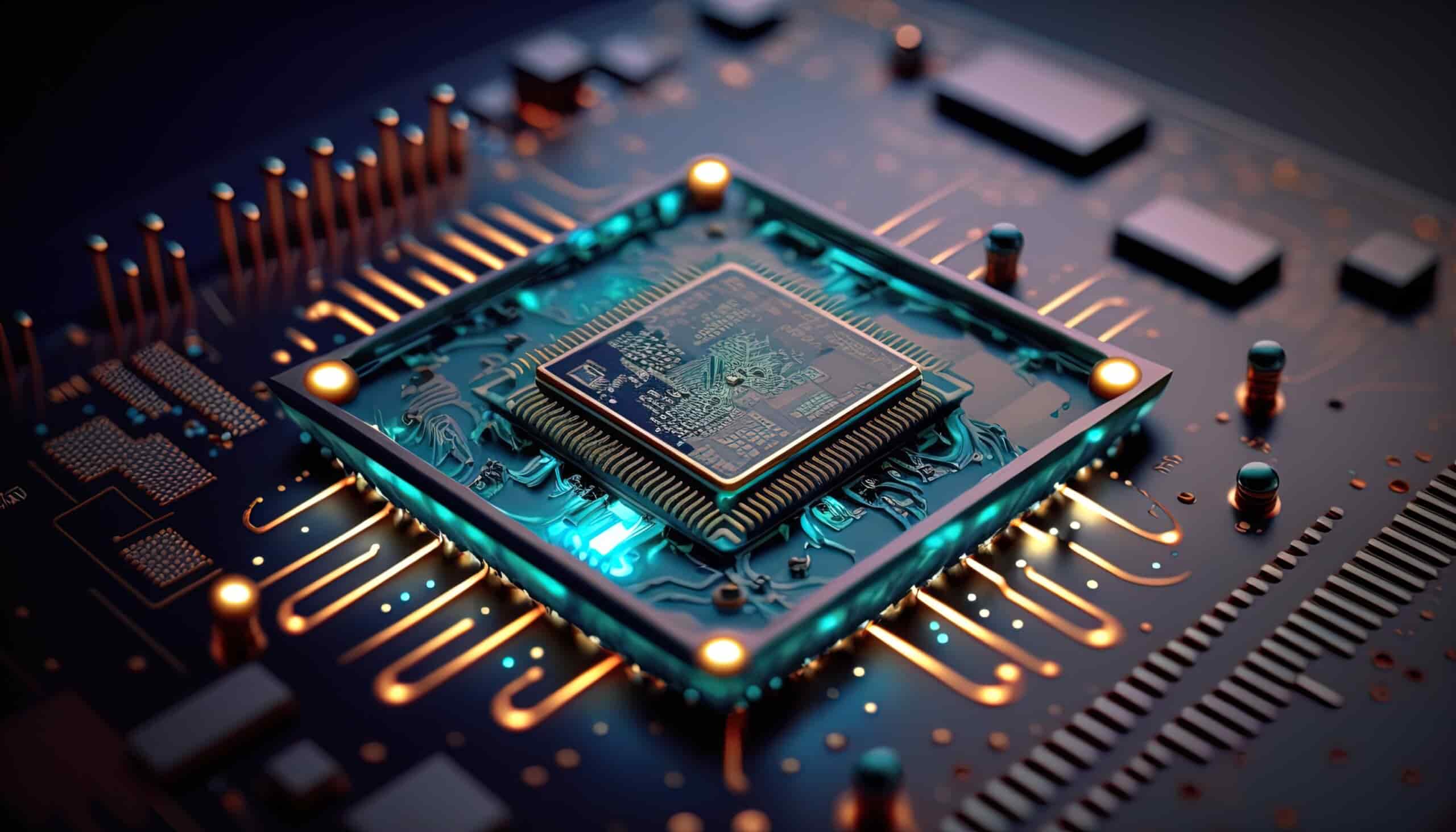
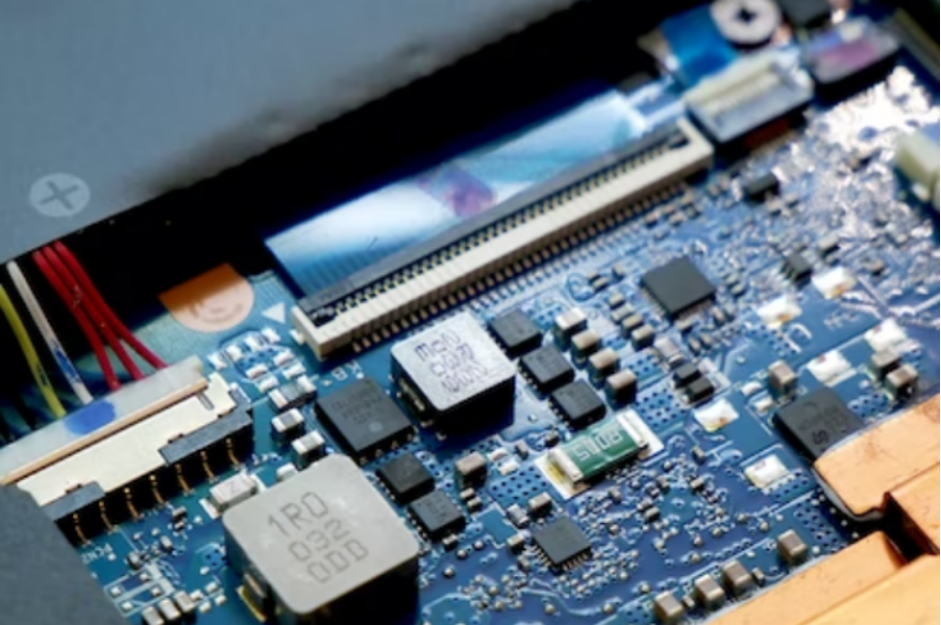
Modern electronics rely heavily on integrated circuits (IC), also referred to as microchips or simply chips. An IC is a compact assembly of electronic components and their interconnections, formed on a semiconductor substrate. These miniature devices pack millions or even billions of components, making them the backbone of modern technology.
What are Integrated Circuits?
An integrated circuit is essentially a small, self-contained device that can perform various electrical operations. The individual components, such as transistors, resistors, and capacitors, are fabricated onto a single chip, enabling the creation of complex functionalities in a compact form factor. This integration of components leads to increased efficiency, speed, and reliability, making ICs an essential component in modern electronics.
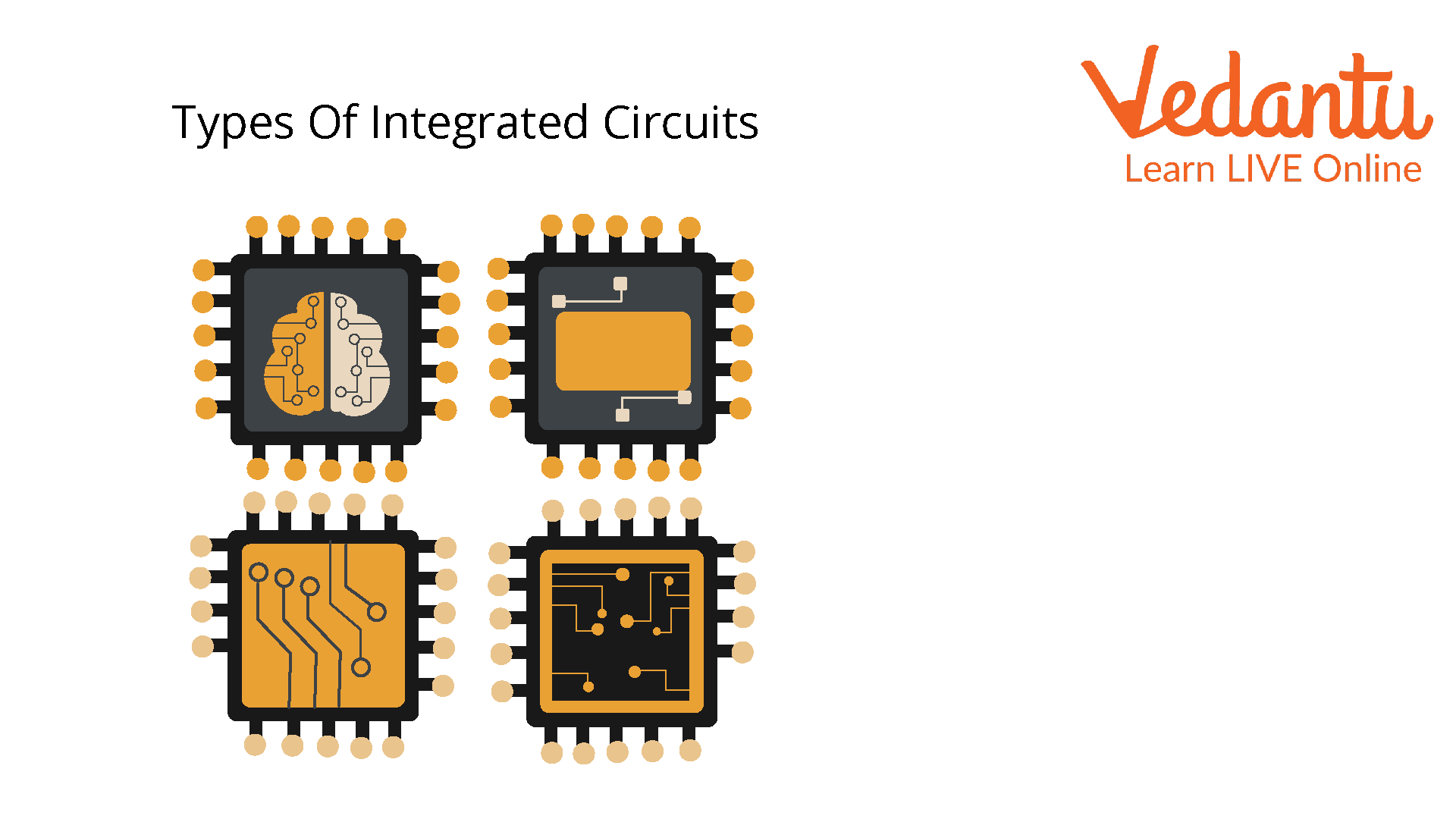
Types of Integrated Circuits
- Timing and Frequency Control Circuits: These IC chips regulate the timing of signals and frequency within circuits. Oscillators and clock generators are common examples, providing stable, periodic signals that synchronize the operation of microprocessors and other digital systems.
- Die: A die refers to a block of semiconducting material on which a given functional circuit is fabricated. The die is the core component of an integrated circuit.
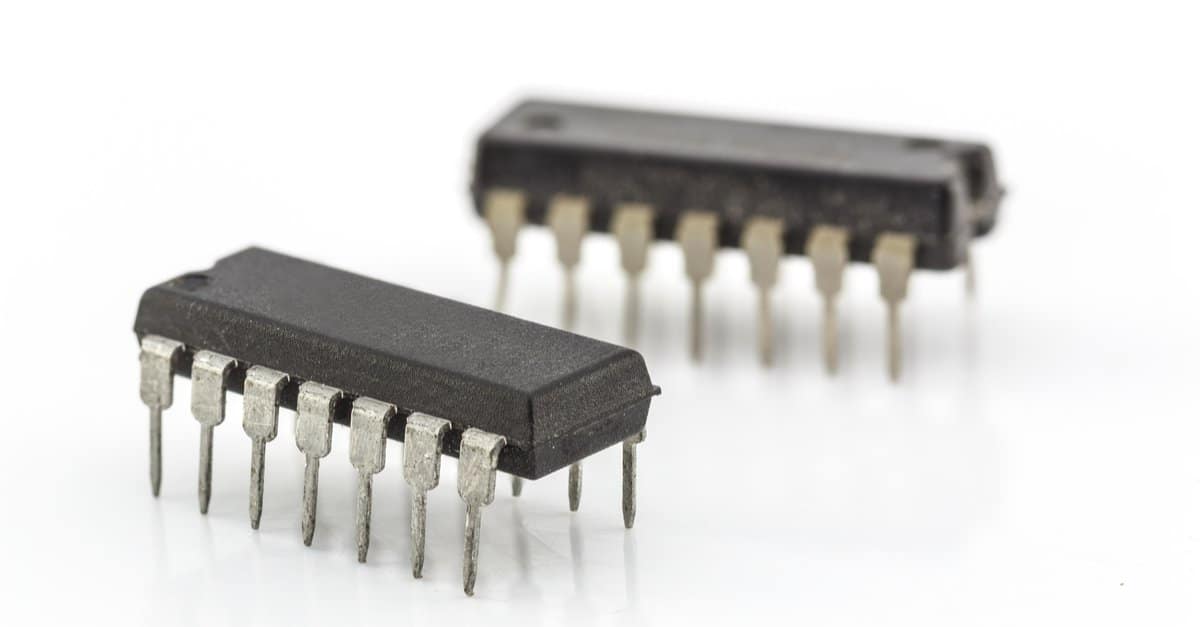
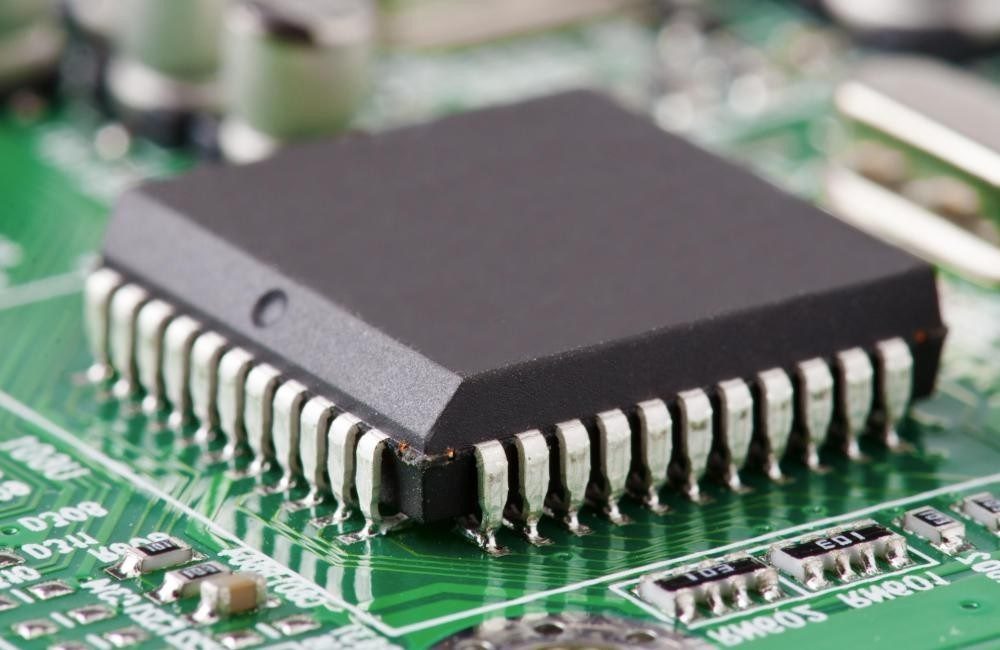
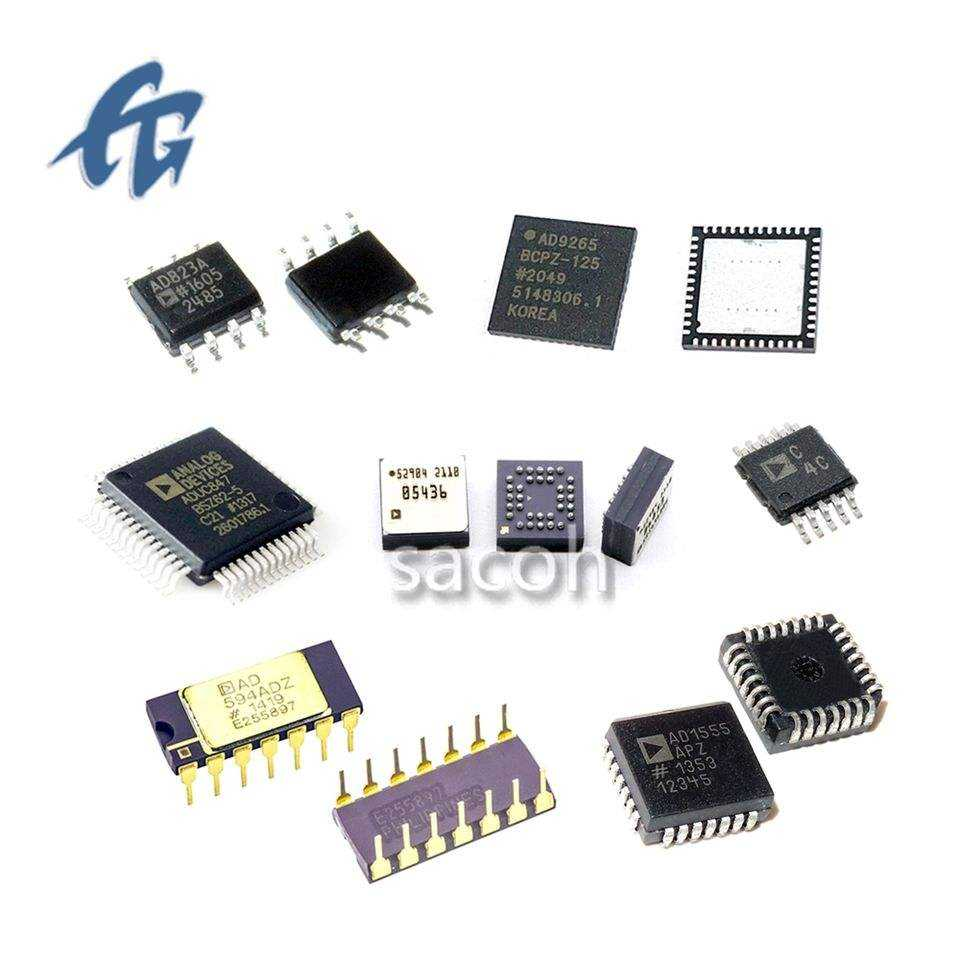
- Types of Packaging: ICs are packaged in various forms, including quad package, flat package, and ball grid array (BGA).
Manufacturing and Classification
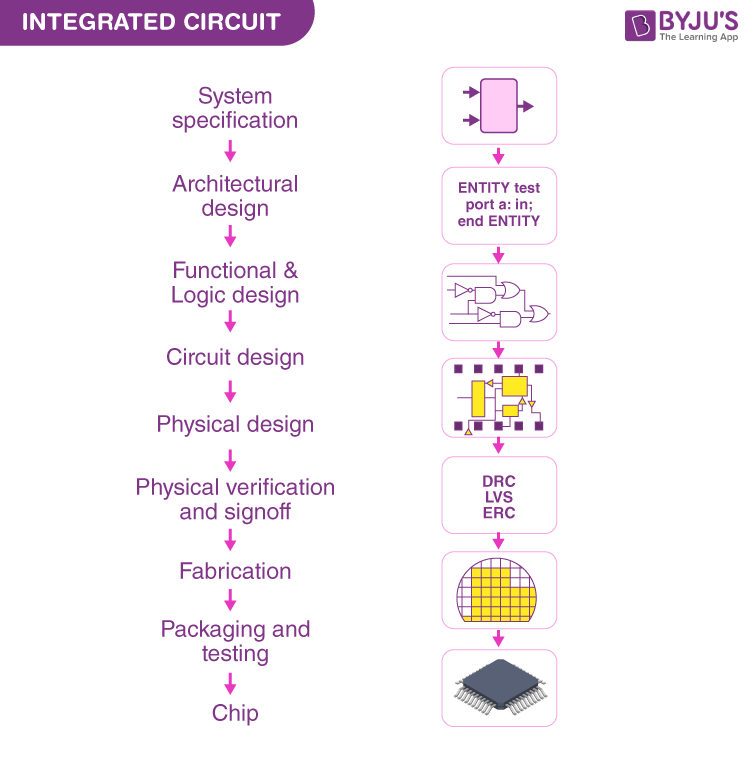
Integrated circuits are manufactured using a process known as photolithography, where a semiconductor substrate is etched with microscopic pathways for the components. This process allows for the creation of millions of transistors on a single chip, enabling the construction of complex electronic devices.
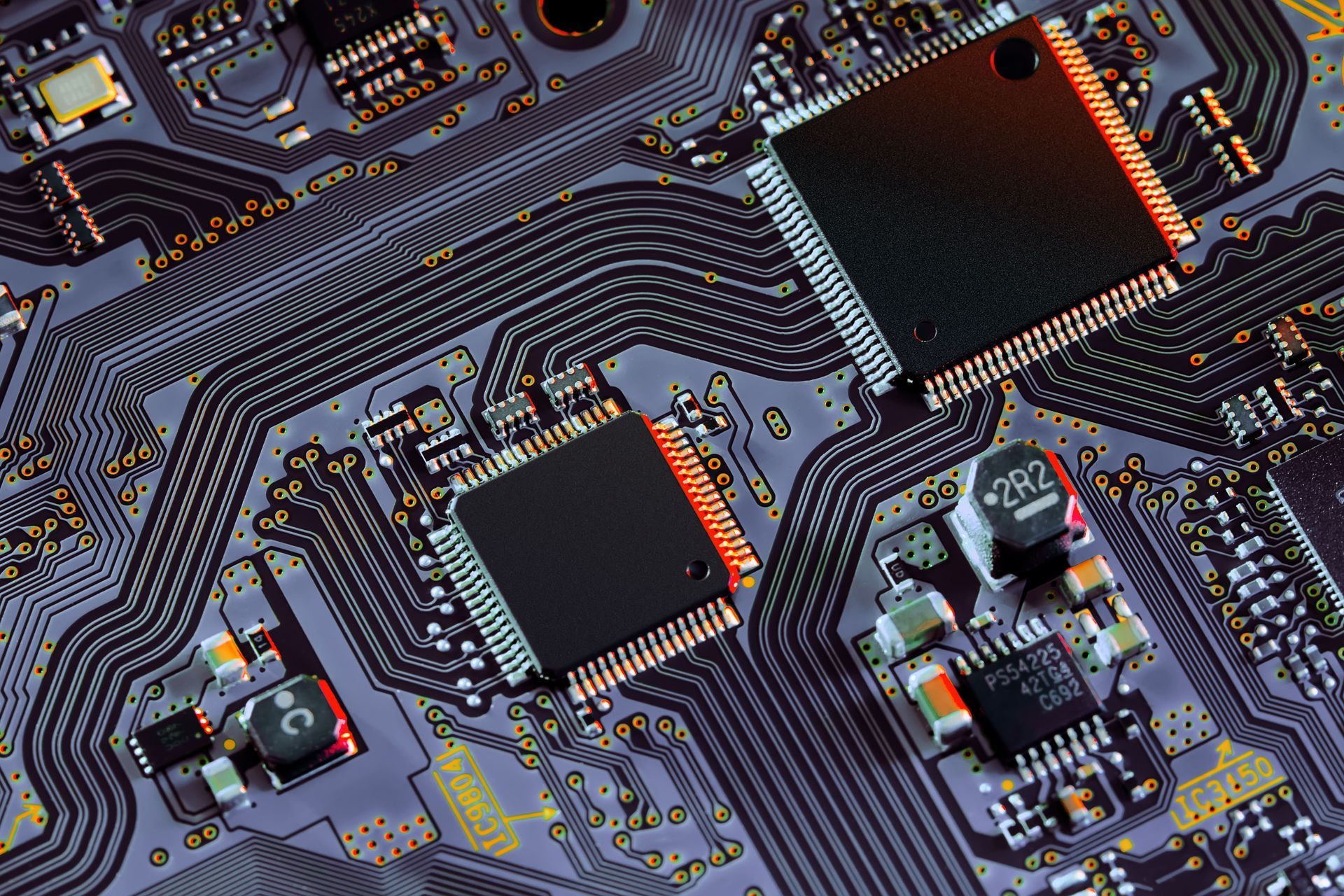
ICs can be classified into various categories based on their size, function, and construction. This includes:
- Analog ICs: Designed for continuous, analog signals, these ICs can perform mathematical operations, amplify signals, and filter out noise.
- Digital ICs: These ICs process discrete digital signals, enabling the creation of complex digital systems.
- Mixed-Signal ICs: Combining analog and digital circuits, these ICs cater to the increasing need for processing mixed-signal data.
Role in Modern Electronics
Integrated circuits have revolutionized modern electronics by providing efficient, compact, and reliable solutions. They are integral to various industries, including:
- Consumer Electronics: ICs drive smartphones, laptops, and other handheld devices.
- Aerospace: ICs are used in mission-critical systems, such as guidance and navigation systems.
- Automotive: ICs control modern vehicle features, including infotainment, safety, and performance.
Conclusion
In conclusion, integrated circuits play a vital role in modern electronics. From their inception in the 1950s to the present day, ICs have grown from simple transistor-based circuits to complex systems, paving the way for unparalleled advancements in technology. With their efficiency, reliability, and versatility, ICs continue to shape the future of technology, driving innovation and progress across various industries.