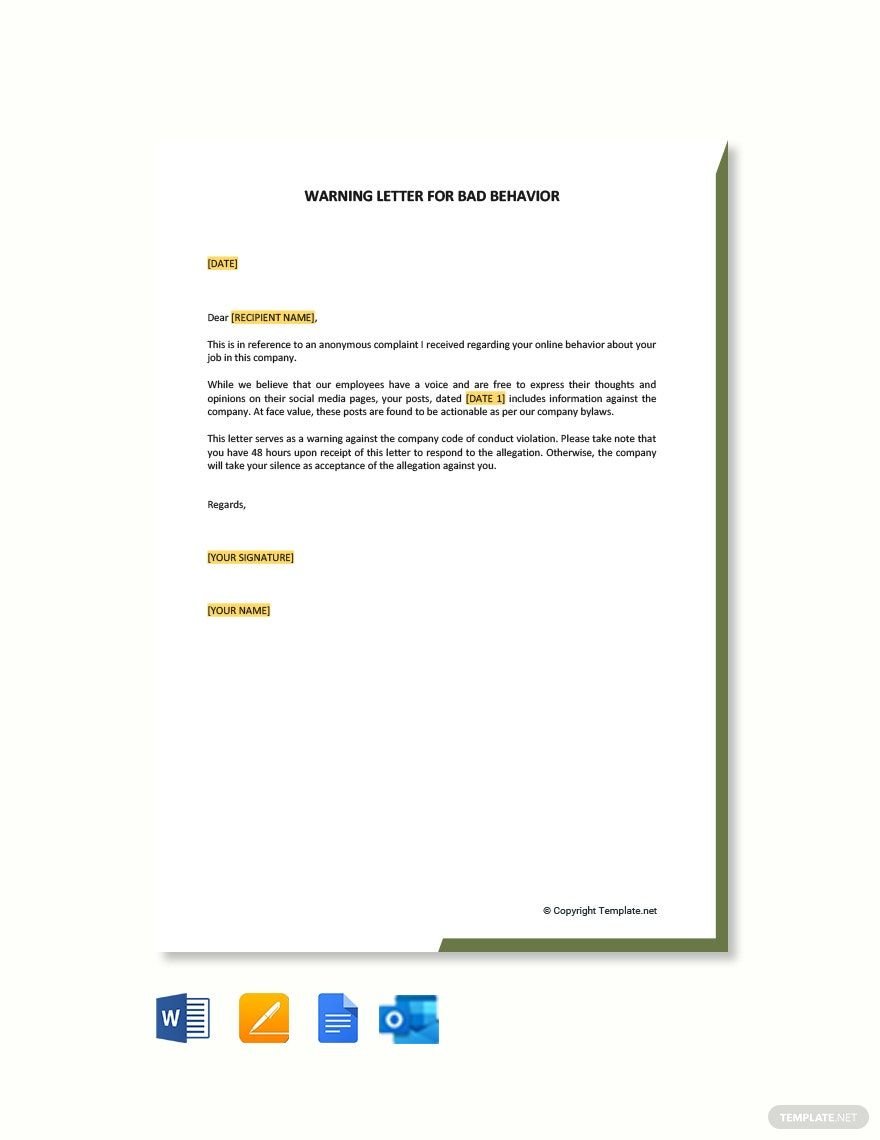
Understanding Negative Online Behavior: Causes, Consequences, and Solutions
The rise of the internet and social media has transformed the way we interact with each other, but it has also created new challenges. Negative online behavior, such as cyberbullying, online harassment, and hate speech, has become a major concern for individuals, communities, and societies as a whole.
Causes of Negative Online Behavior
There are several reasons why people engage in negative online behavior. Some individuals may use online platforms to gain attention, feel powerful, or boost their ego. Others may be motivated by a desire to provoke others or cause harm. In some cases, negative online behavior can be a symptom of deeper psychological issues, such as anxiety, depression, or low self-esteem.
Consequences of Negative Online Behavior
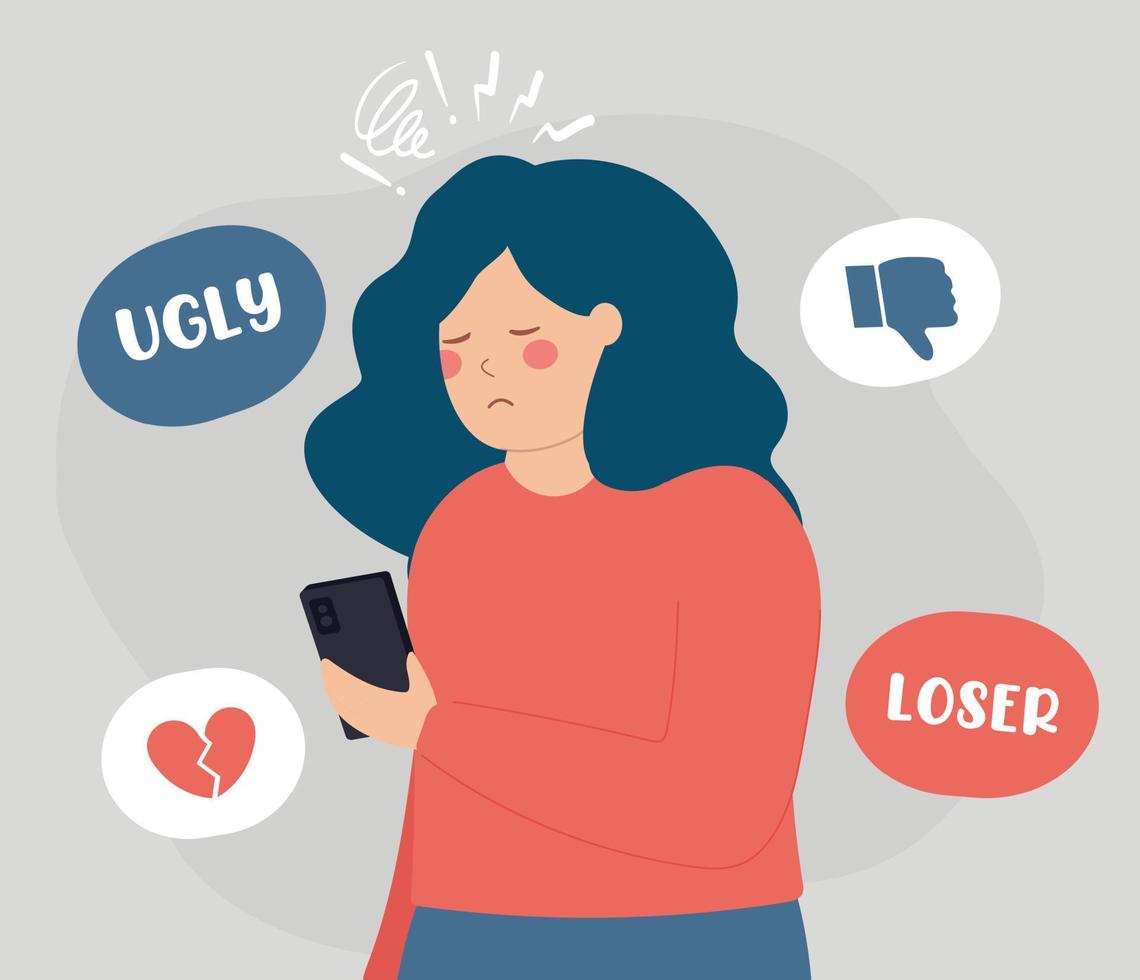
The consequences of negative online behavior can be severe and far-reaching. Victims of cyberbullying, online harassment, and hate speech may experience anxiety, depression, and other mental health problems. In extreme cases, negative online behavior can even lead to physical harm or even death.
Solutions to Negative Online Behavior
So, what can be done to address negative online behavior? One approach is to educate people about the consequences of their online actions and the importance of empathy and respect in online interactions. This can be achieved through workshops, online campaigns, and community outreach programs.
Technological Solutions
Technology can also play a role in reducing negative online behavior. Social media platforms can use algorithms to detect and remove hate speech and other forms of negative content. Additionally, online tools can be developed to help individuals manage their online presence and block unwanted interactions.
Cognitive Behavioral Therapy (CBT)
Cognitive behavioral therapy (CBT) is a type of talk therapy that can help individuals identify and change negative thought patterns that contribute to negative online behavior. By addressing underlying psychological issues, individuals can learn to manage their emotions and behave in a more positive and respectful way online.
Conclusion

Negative online behavior is a complex issue that requires a multifaceted approach to address. By understanding the causes and consequences of negative online behavior, we can develop effective solutions to reduce its impact and create a safer and more respectful online environment.
Examples of Negative Online Behavior
Here are some examples of negative online behavior:
- Cyberbullying: Sending mean or threatening messages, posting embarrassing content, or causing harm to someone online.
- Online harassment: Sending unwanted messages, comments, or images that are intended to intimidate or harass someone.
- Hate speech: Posting content that promotes hatred, intolerance, or violence towards a particular group or individual.
- Doxxing: Sharing someone's personal information online without their consent.
- Impersonation: Creating a fake online identity to deceive or harm someone.
Examples of Positive Online Behavior
Here are some examples of positive online behavior:
- Empathy: Showing understanding and compassion towards others online.
- Respect: Treating others with kindness and respect online, even in disagreements.
- Active listening: Engaging with others online and responding thoughtfully to their comments and concerns.
- Sharing positivity: Posting content that promotes positivity, inspiration, and joy.
- Supporting others: Offering help and support to others online, whether it's a friend or a stranger.
Preventing Negative Online Behavior
Here are some tips to prevent negative online behavior:
- Think before you post: Take a moment to consider the impact of your online actions.
- Use online tools to block unwanted interactions.
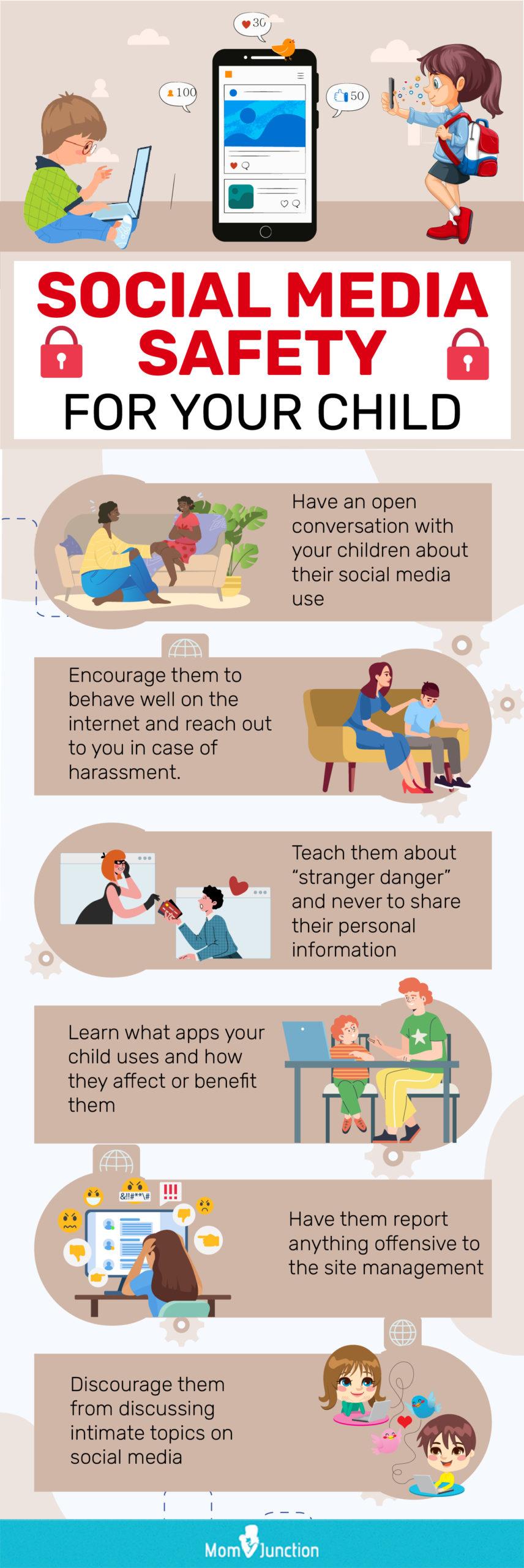
- Report negative behavior to the relevant authorities or platforms.
- Seek help if you're experiencing negative online behavior.
- Practice empathy and respect online.
Conclusion
Negative online behavior is a growing concern that requires attention and action. By understanding the causes and consequences of negative online behavior, we can develop effective solutions to reduce its impact and create a safer and more respectful online environment.