Nomophobia and its Effects on Work Performance: Understanding the Impact on Employees
Nomophobia, or the fear of being without one's smartphone, is a growing concern in workplaces around the world. This phenomenon affects both employee well-being and organizational productivity, making it essential to understand its effects on work performance.
What is Nomophobia?
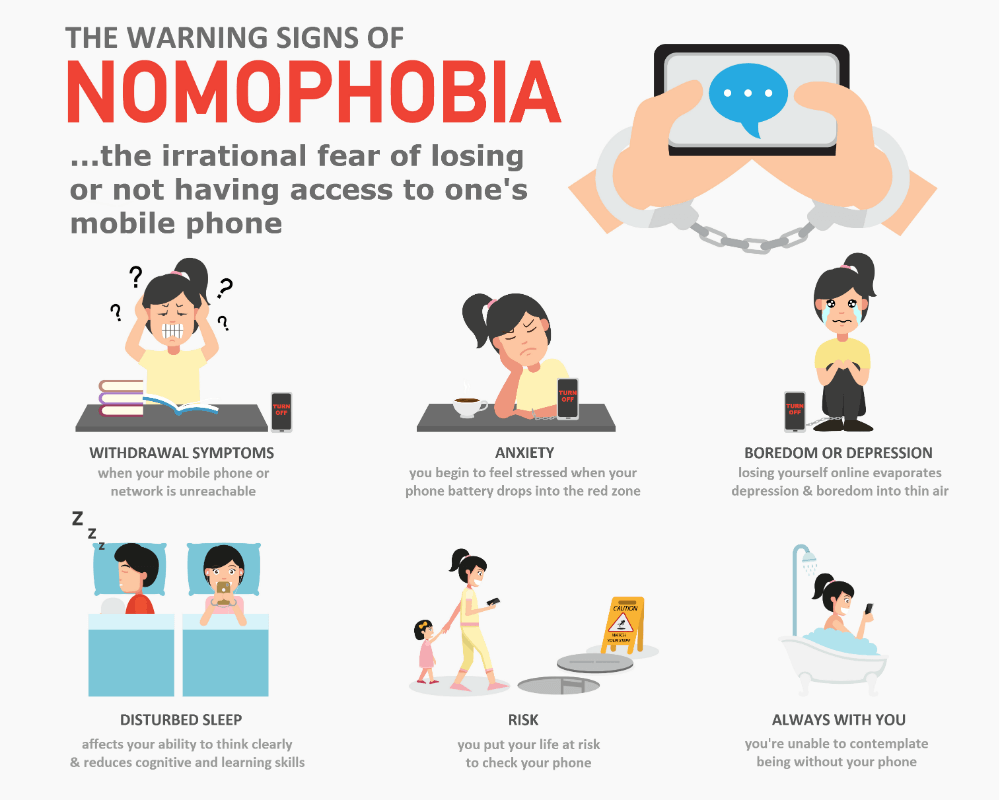
Nomophobia is the apprehension or anxiety experienced without a mobile phone. It reflects an increasing reliance on smartphones for social interaction, work efficiency, and everyday task management. This phenomenon has attracted considerable interest from researchers, who are investigating its impact on various aspects of life, including work performance.
The Prevalence of Nomophobia in the Workplace
Despite its prevalence, there is a notable lack of systematic reviews investigating nomophobia in workplace settings, as well as the factors that intensify or inhibit it in workplace settings. This lack of understanding makes it challenging for employers and employees to address the issue effectively.
The Effects of Nomophobia on Work Performance
Research suggests that nomophobia can negatively affect work performance in various ways. Some of the effects include:
- Reduced productivity: Excessive smartphone use and nomophobia can lead to distractions, reduced focus, and decreased productivity.
- Decreased job satisfaction: Nomophobia can create anxiety and stress, leading to decreased job satisfaction and overall well-being.
- Poor decision-making: Nomophobia can impair cognitive function, leading to poor decision-making and reduced problem-solving skills.
- Increased stress and anxiety: Nomophobia can contribute to increased stress and anxiety levels, which can negatively impact work performance and overall well-being.

The Causes of Nomophobia in the Workplace
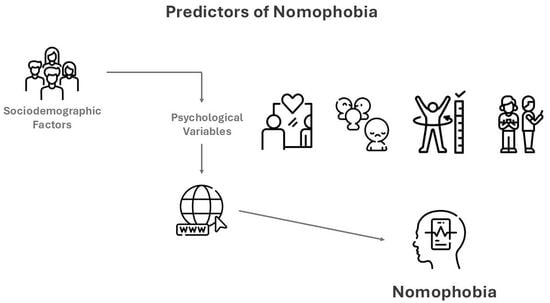
The causes of nomophobia in the workplace are complex and multifaceted. Some of the contributing factors include:
- Excessive smartphone use: The increasing reliance on smartphones for work and personal purposes can lead to nomophobia.
- Lack of boundaries: Failing to establish clear boundaries between work and personal life can contribute to nomophobia.
- Fear of missing out (FOMO): The fear of missing important messages, updates, or notifications can lead to nomophobia.
- Anxiety and stress: Underlying anxiety and stress can contribute to nomophobia.
Strategies for Addressing Nomophobia in the Workplace
Employers and employees can take several steps to address nomophobia in the workplace:
- Establish clear boundaries: Set clear boundaries between work and personal life to reduce the risk of nomophobia.
- Implement phone-free policies: Consider implementing phone-free policies or designated phone-free zones to reduce distractions.
- Encourage responsible smartphone use: Educate employees on responsible smartphone use and provide resources to help them manage their phone use.
- Provide stress management resources: Offer stress management resources, such as mindfulness training or counseling, to help employees manage underlying anxiety and stress.
Conclusion
Nomophobia is a growing concern in workplaces around the world. Its effects on work performance can be significant, including reduced productivity, decreased job satisfaction, and poor decision-making. By understanding the causes and effects of nomophobia, employers and employees can take steps to address the issue and promote a healthier work environment. By implementing strategies to reduce nomophobia, organizations can improve employee well-being, increase productivity, and enhance overall performance.