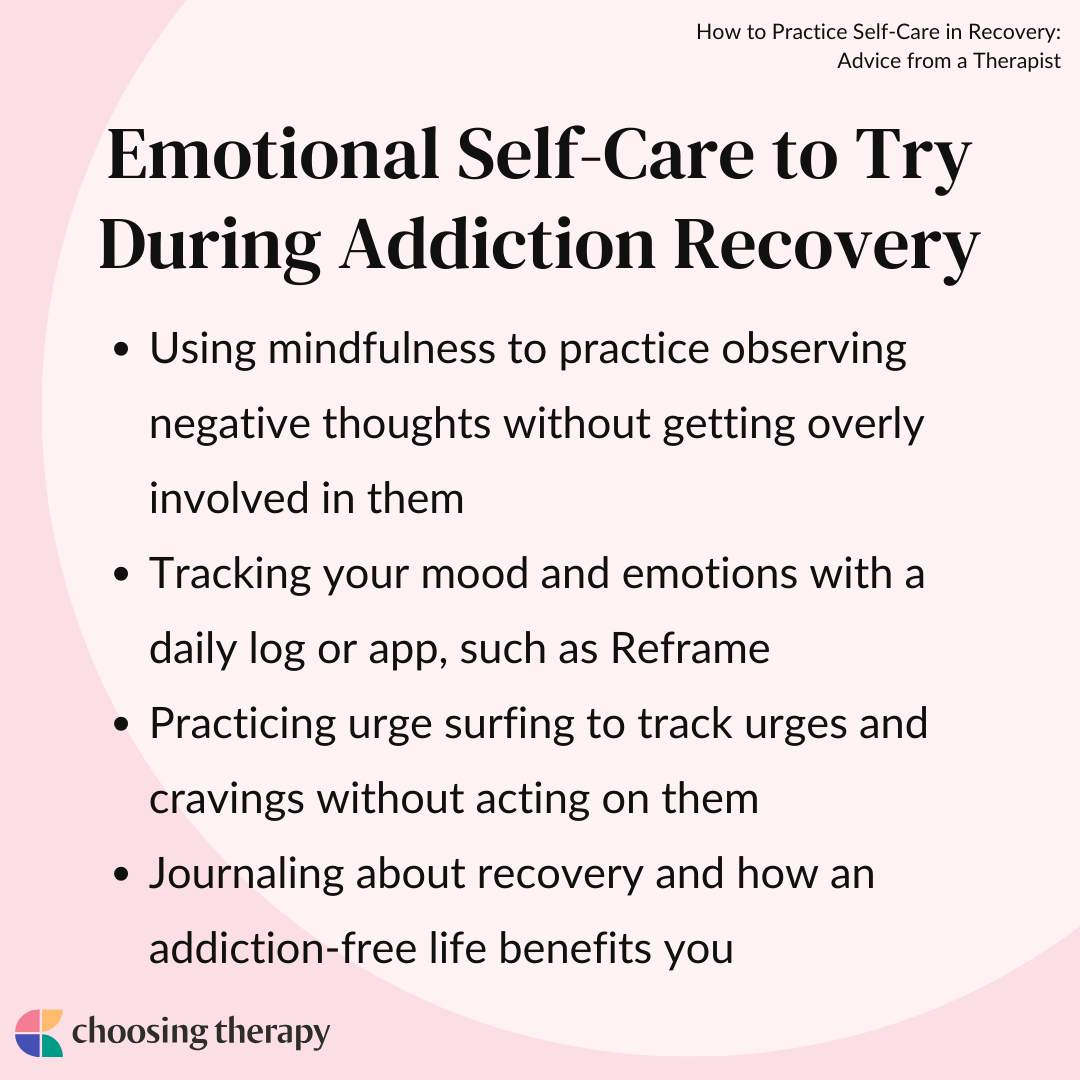
Overcoming Phone Obsession with Self-Care: A Journey to Balance
In today's digital age, smartphones have become an integral part of our lives, and it's easy to get caught up in a cycle of constant use. But when phone obsession takes over, it can have a profound impact on our mental and physical health. Neglecting self-care, failing to prioritize sleep, exercise, and healthy eating habits, and experiencing anxiety, decreased attention span, and stress are just a few of the symptoms of phone addiction.
The Impact of Phone Addiction on Mental Health
Phone addiction can have a significant impact on mental health, contributing to issues such as loneliness, depression, anxiety, and stress. Excessive smartphone use can exacerbate attention deficit disorders, diminish attention span, and lead to feelings of isolation and disconnection. By being aware of the impact of phone addiction on behavior, emotions, and mental health, individuals can take proactive steps to create a healthier relationship with their phones and regain control over their lives.
Practical Steps to Overcome Phone Obsession with Self-Care
Breaking phone addiction is achievable with practical steps that reclaim your time and foster balanced digital habits. Learn proven strategies to break phone addiction with our comprehensive guide. Discover practical steps, apps, and techniques that help thousands overcome digital dependency and reclaim their lives.
1. Set Boundaries
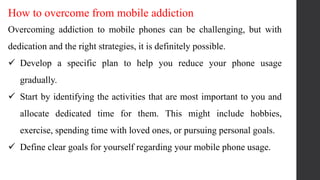
Set clear boundaries around your phone use, such as not using your phone during meals or before bed. Use apps like Freedom or SelfControl to block distracting websites or apps during certain times of the day.
2. Practice Mindfulness
Mindfulness is the practice of being present in the moment, without judgment. Try incorporating mindfulness exercises into your daily routine, such as meditation or deep breathing. This can help you become more aware of your phone use and make more intentional choices.
3. Engage in Offline Activities
Find activities that bring you joy and fulfillment, such as reading, hiking, or spending time with friends and family. Make time for these activities in your daily schedule and prioritize them over phone use.
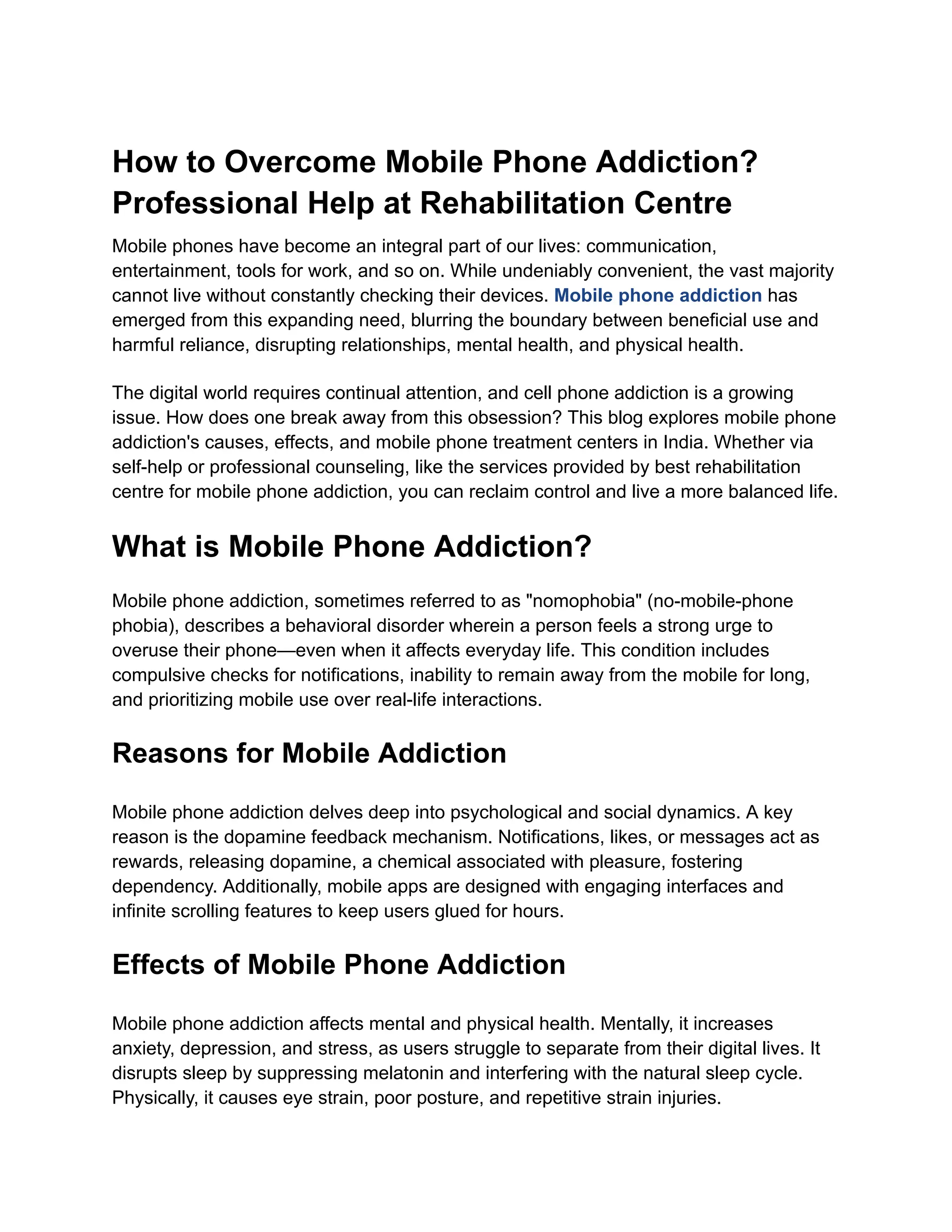
4. Use Phone Addiction Tracking Apps
Use apps like Moment or RescueTime to track your phone use and identify areas where you can improve. Set goals for reducing your screen time and work towards achieving them.
5. Practice Self-Care
Neglecting self-care is a common symptom of phone addiction. Make time for activities that nourish your mind, body, and soul, such as exercise, meditation, or spending time in nature.
6. Seek Support
Reach out to friends, family, or a therapist for support. Sharing your struggles with phone addiction can help you stay accountable and motivated to make positive changes.
Conclusion
Overcoming phone obsession with self-care is a journey that requires patience, intention, and practice. By setting boundaries, practicing mindfulness, engaging in offline activities, using phone addiction tracking apps, practicing self-care, and seeking support, you can break free from the cycle of phone addiction and create a healthier, more balanced relationship with your phone. Remember, it's not about completely avoiding your phone, but about finding balance and prioritizing your well-being.
Additional Resources
For more information on phone addiction and strategies for overcoming it, refer to the following resources:
- SAMHSA's National Helpline - A free, confidential, 24/7, 365-day-a-year treatment referral and information service for individuals and families facing mental and/or substance use disorders.
- Mayo Clinic - Phone Addiction - Learn about the symptoms, causes, and effects of phone addiction and discover strategies for overcoming it.
- Psychology Today - 5 Ways to Overcome Phone Addiction - Discover effective strategies for reducing phone use and regaining control over your life.