Protecting your online presence: A guide to safeguarding your digital footprint
In today's digitally connected world, managing your online presence has never been more critical. With the rise of social media, online interactions have become an integral part of our daily lives, from shopping to socializing and working to banking. However, this increased online activity has also led to a significant increase in cyber threats, identity theft, and other risks that can compromise your personal and professional reputation.
The importance of protecting your online presence
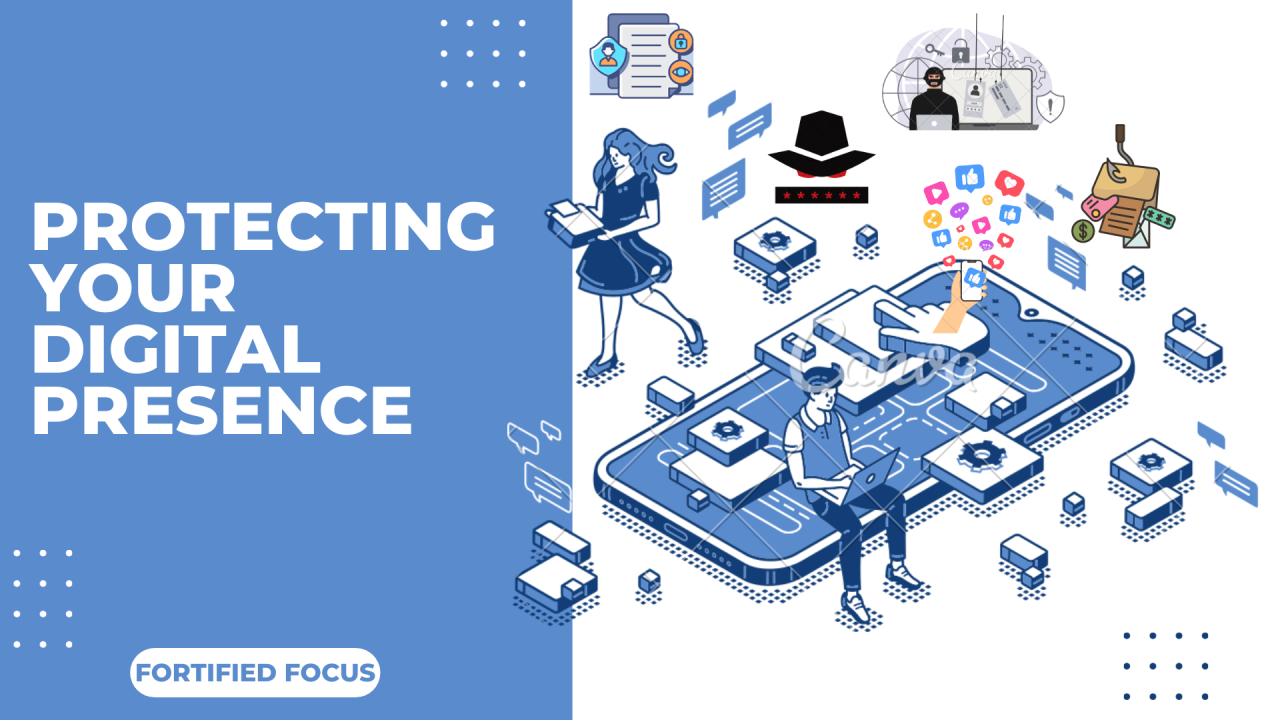
Your online presence is more than just pictures and posts – it's a digital footprint that can be used to identify and track you. With the help of sophisticated algorithms and machine learning, advertisers and other snoopers can use this information to create detailed profiles of your interests, preferences, and behaviors. This can lead to targeted advertising, phishing scams, and other forms of online harassment.
Best practices for protecting your online presence
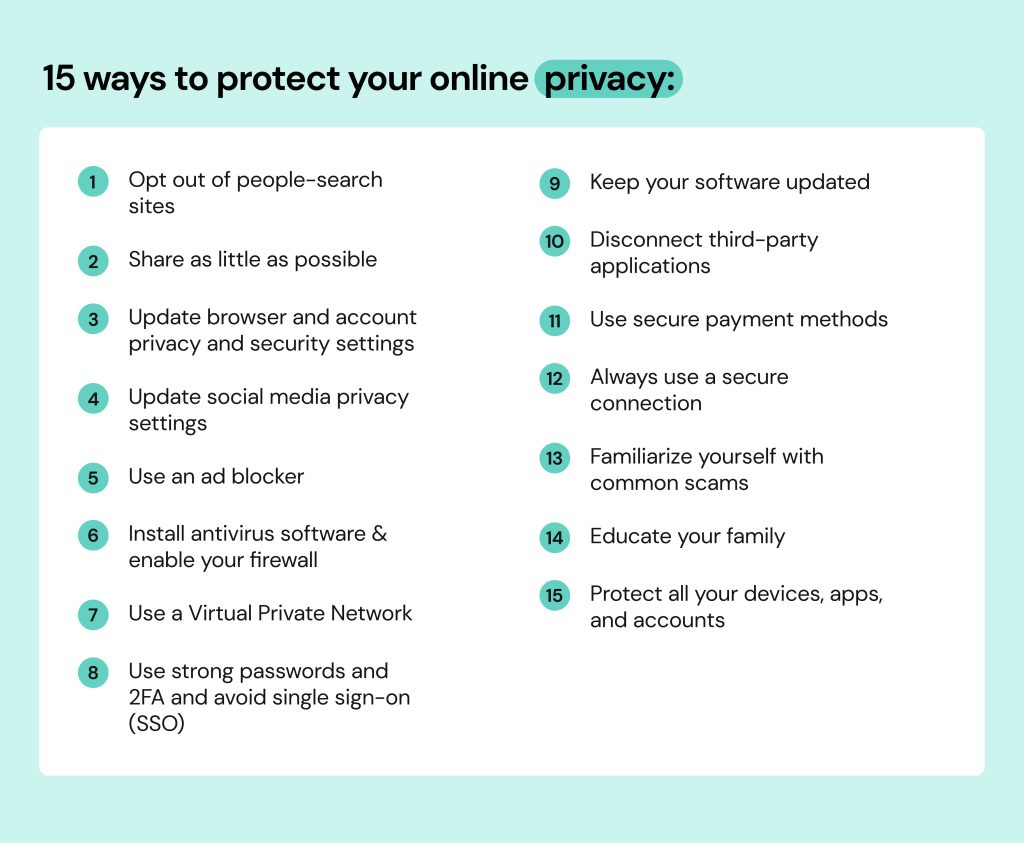
To safeguard your online presence, follow these essential best practices:
- Manage your social media settings: Regularly review and update your social media settings to ensure your privacy and security are protected. Use strong passwords, enable two-factor authentication, and limit the amount of personal information you share.
- Monitor your online accounts: Regularly check your online accounts for suspicious activity, such as unusual login attempts or transactions. Report any suspicious activity to your bank or credit card company immediately.
- Use secure connections: When accessing sensitive information online, such as your bank account or personal data, make sure to use a secure connection (https) and a trusted network.
- Keep your software up-to-date: Regularly update your operating system, browser, and other software to ensure you have the latest security patches and features.
- Be cautious with links and attachments: Avoid clicking on suspicious links or opening attachments from unknown sources, as these can contain malware or phishing scams.
- Use strong passwords: Use unique, complex passwords for each of your online accounts, and consider using a password manager to keep track of them.
Protecting your digital assets
Protecting your online presence is not just about safeguarding your personal information – it's also about safeguarding your digital assets. With the rise of online shopping and banking, we store vital personal and sensitive information online, including financial details, crucial documents, and sentimental data. Compromised online accounts can grant hackers access to and misuse this information, leading to identity theft, financial loss, and other forms of cybercrime.
Why protecting your online presence matters
Protecting your online presence is essential for safeguarding your personal and professional reputation, as well as your digital assets. By following these best practices, you can minimize the risks of cyber-attacks, data breaches, and other online threats. Don't let your online presence become a liability – take control of your digital footprint today and enjoy the peace of mind that comes with knowing your information is secure.
Conclusion
Protecting your online presence is a critical aspect of digital citizenship in today's connected world. By following these best practices and staying informed about the latest online security threats and vulnerabilities, you can safeguard your personal and professional reputation, as well as your digital assets. Remember, your online presence is private, secure, and under your vigilant protection – take control of it today and enjoy the benefits of a safe and secure digital life.