Protect Yourself from Identity Theft on Online Banking: A Comprehensive Guide
As technology advances, online banking has become more convenient and accessible. However, this increased accessibility has also made it easier for identity thieves to target unsuspecting individuals. Prevent identity theft on online banking requires proactive measures and awareness of potential risks. In this article, we will explore the ways to protect yourself from identity theft on online banking and provide you with essential tips to safeguard your financial assets and personal data.
Understanding Identity Theft on Online Banking
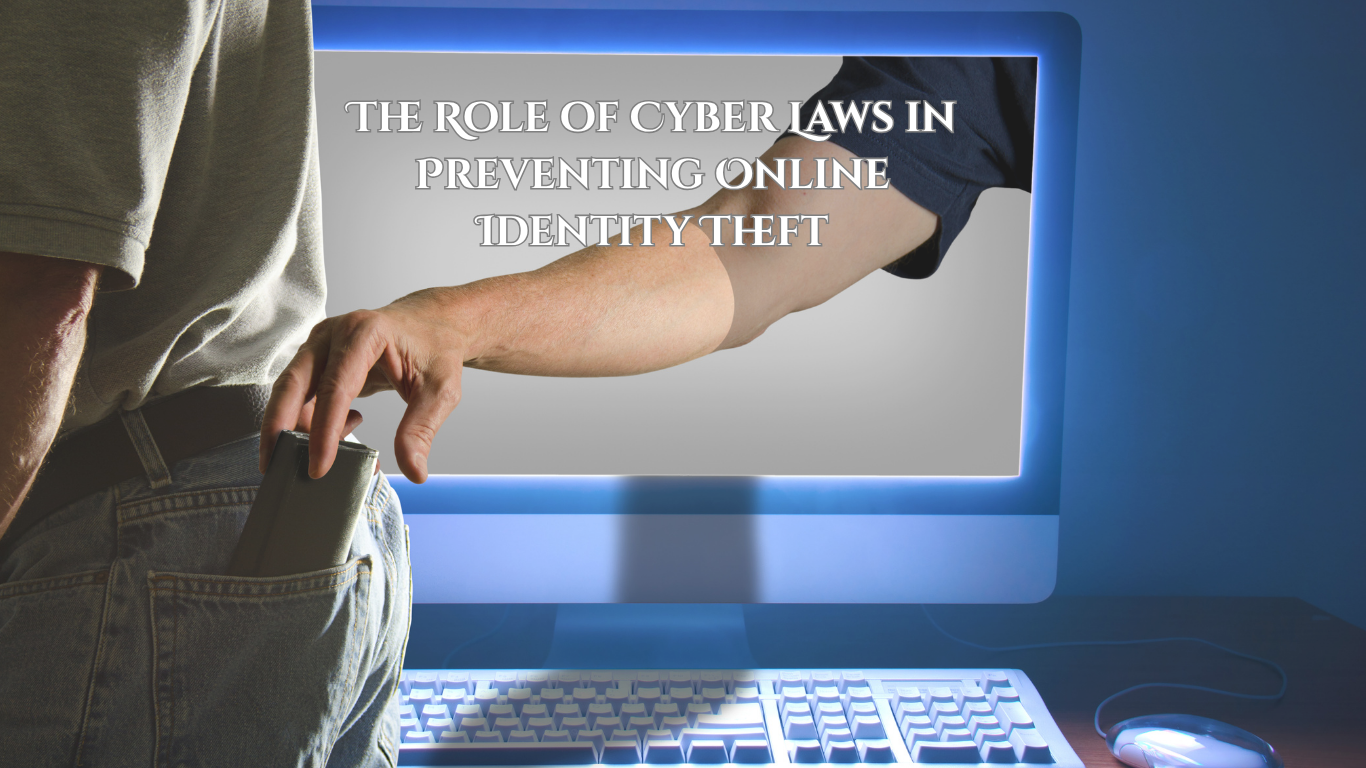
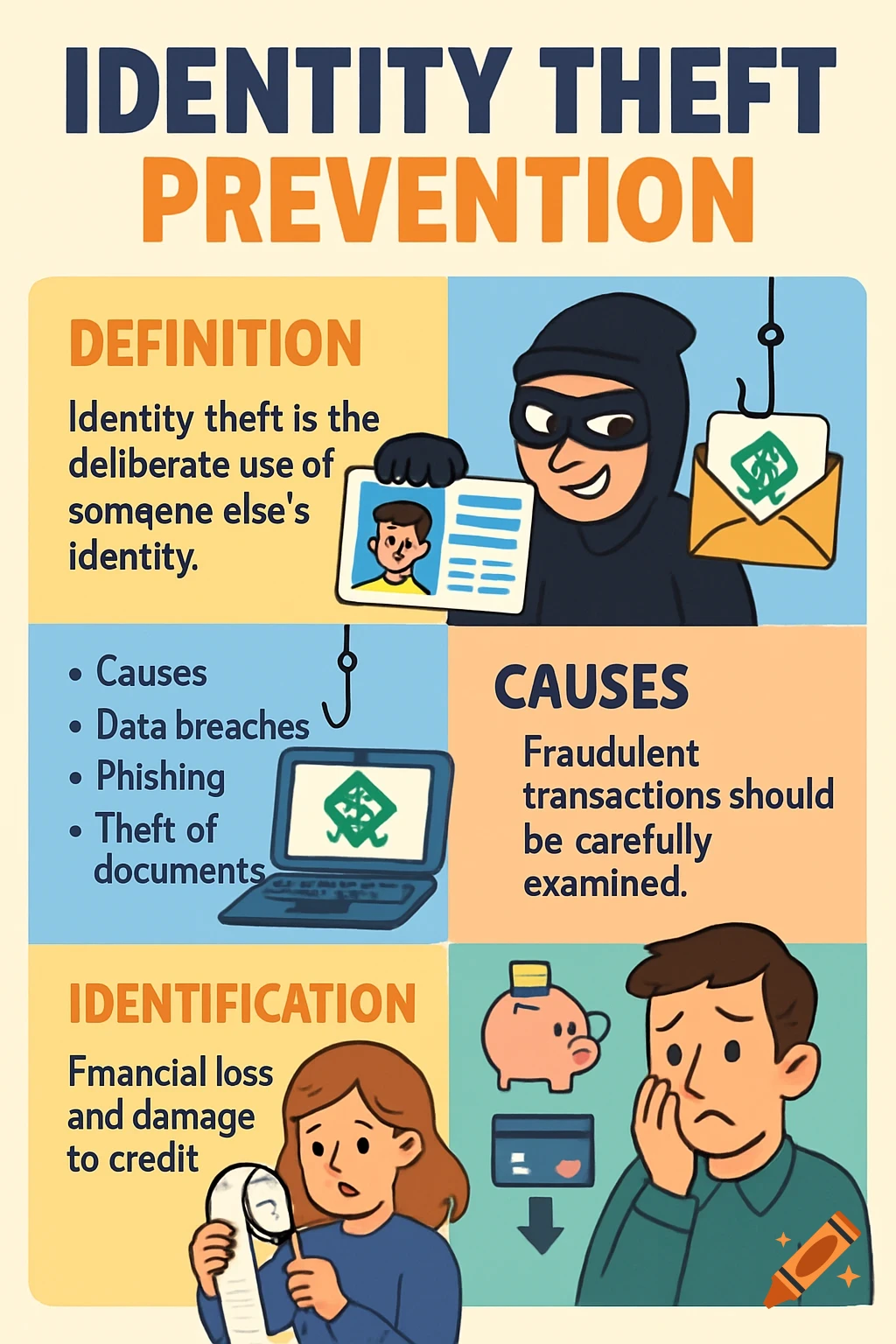
Identity theft is the act of someone stealing your personal information to commit fraud. This can include using your information to fraudulently apply for credit, file taxes, or get medical services. In the context of online banking, identity theft can occur when a hacker gains access to your account information, login credentials, or other sensitive data.
Common Methods of Identity Theft on Online Banking
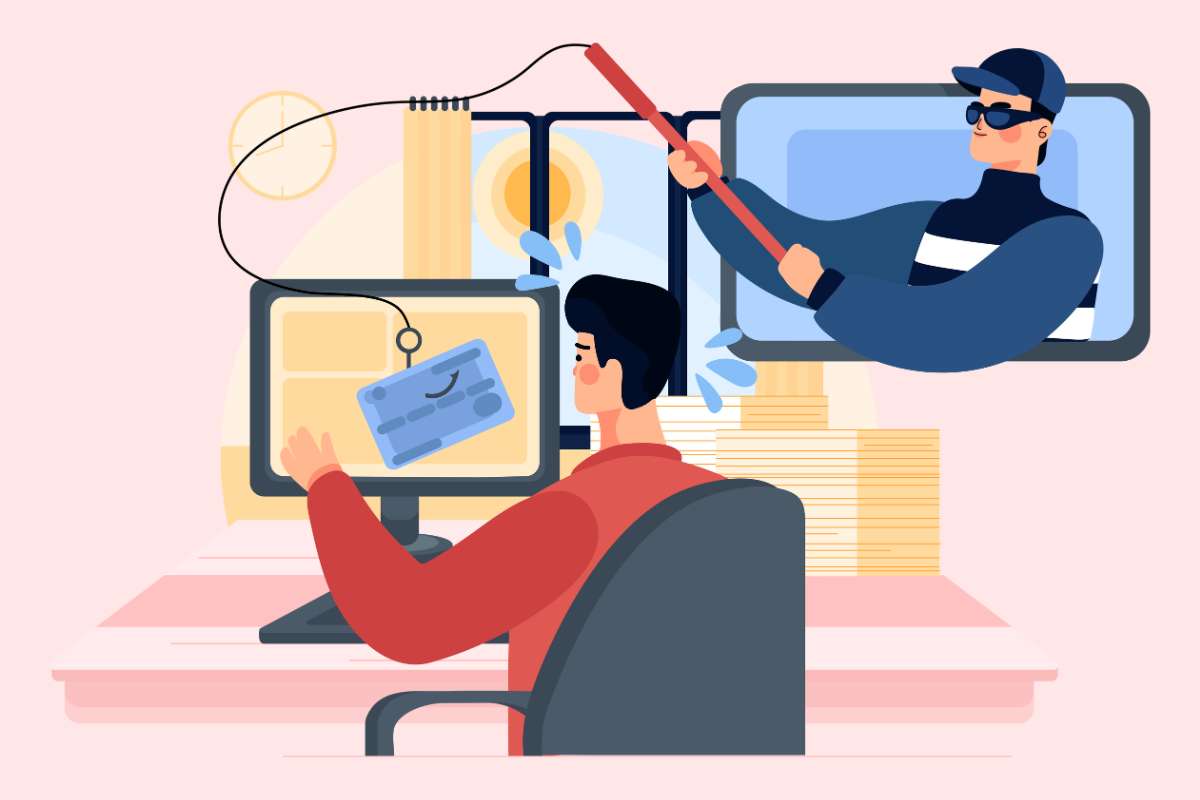
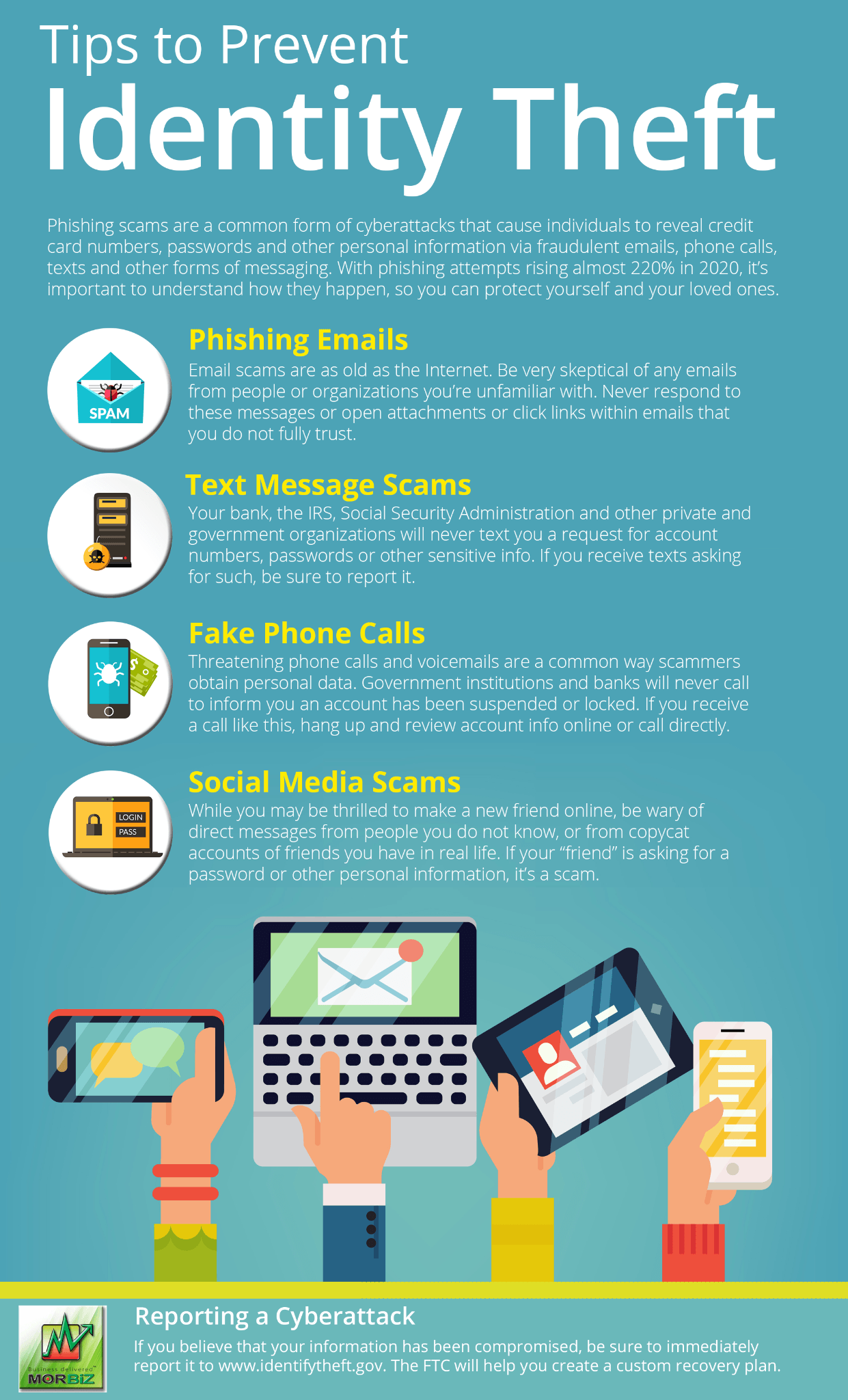
- Phishing scams: Scammers use email or text messages to try to steal your passwords, account numbers, or Social Security numbers.
- Malware attacks: Hackers use malware to gain access to your computer or device and steal sensitive information.
- Data breaches: When a company's database is hacked, sensitive information may be compromised, including online banking credentials.
- Identity theft through social engineering: Scammers may use social engineering tactics to trick you into revealing sensitive information.
Prevention Tips to Prevent Identity Theft on Online Banking
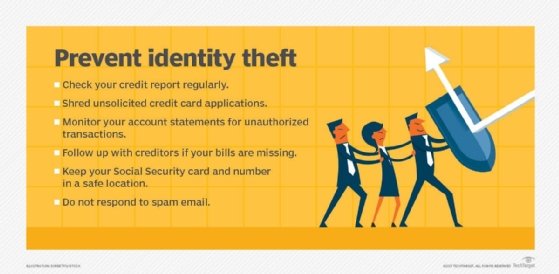
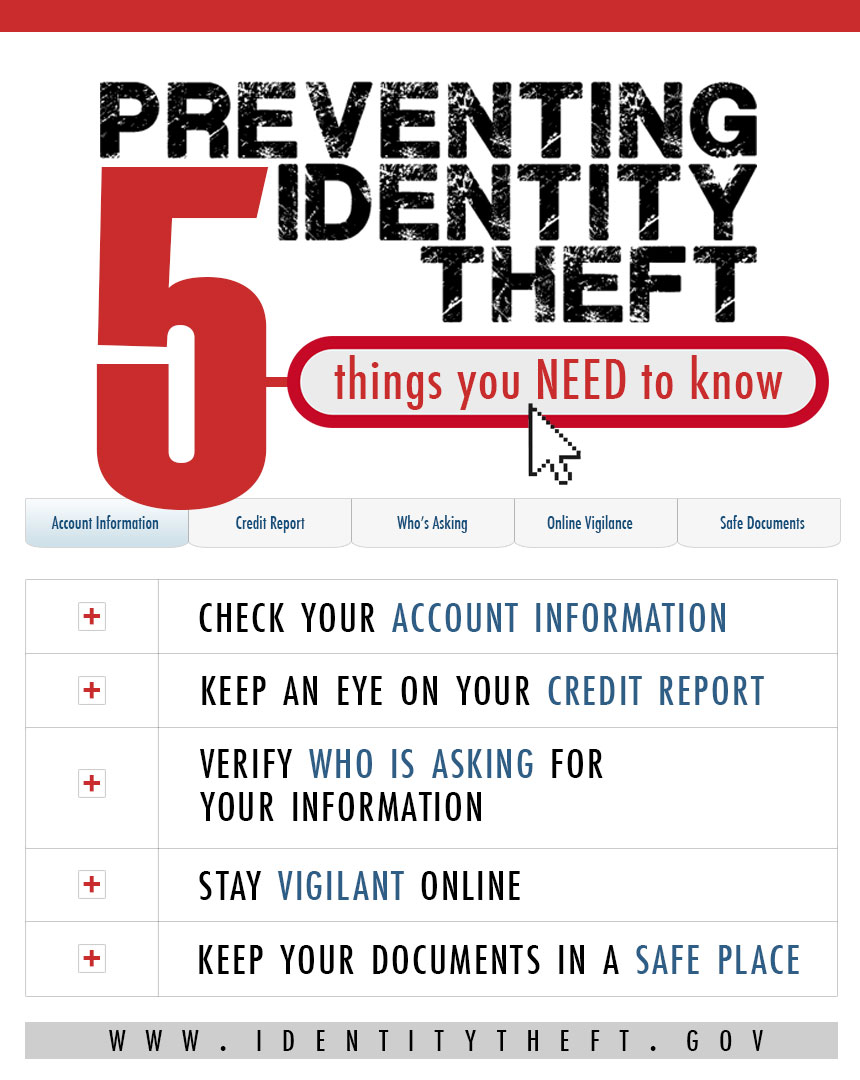
Preventing identity theft on online banking requires a combination of awareness, vigilance, and best practices. Here are some essential tips to help you protect yourself:
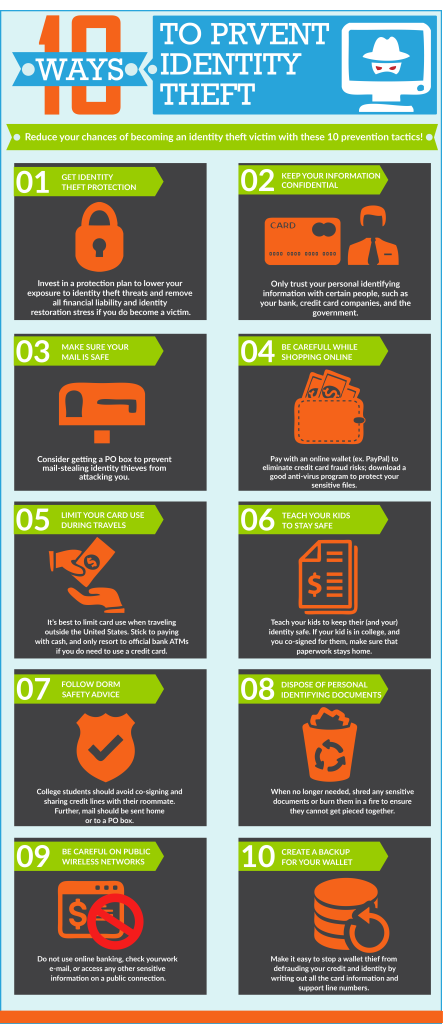
- Use strong passwords and two-factor authentication (2FA): Use unique and complex passwords for your online banking account, and enable 2FA to add an extra layer of security.
- Monitor your account activity regularly: Keep an eye on your account activity, and report any suspicious transactions to your bank immediately.
- Keep your software and devices up to date: Ensure your operating system, browser, and other software are updated with the latest security patches.
- Be cautious of phishing scams: Be wary of suspicious emails or text messages that ask for sensitive information or login credentials.
- Use a reputable antivirus software: Install and regularly update antivirus software to protect your device from malware and other online threats.
- Freeze your account or request a new card if needed: If you suspect your account has been compromised, freeze your account or request a new card to prevent further unauthorized activity.
What to Do If You're a Victim of Identity Theft on Online Banking
If you suspect your online banking account has been compromised, act quickly to minimize the damage. Here's a step-by-step guide:
- Notify your bank immediately: Report the incident to your bank and request assistance in resolving the issue.
- Freeze your account or request a new card: Freeze your account or request a new card to prevent further unauthorized activity.
- Monitor your account activity closely: Keep a close eye on your account activity and report any suspicious transactions to your bank immediately.
- Contact the Identity Theft Resource Center (ITRC): Reach out to the ITRC for free, expert guidance to help you restore your identity and prevent further fraud.
Conclusion
Preventing identity theft on online banking requires a combination of awareness, vigilance, and best practices. By following the tips outlined in this article, you can protect yourself from identity theft and safeguard your financial assets and personal data. Remember to stay informed, be cautious of potential risks, and act quickly if you suspect your account has been compromised.