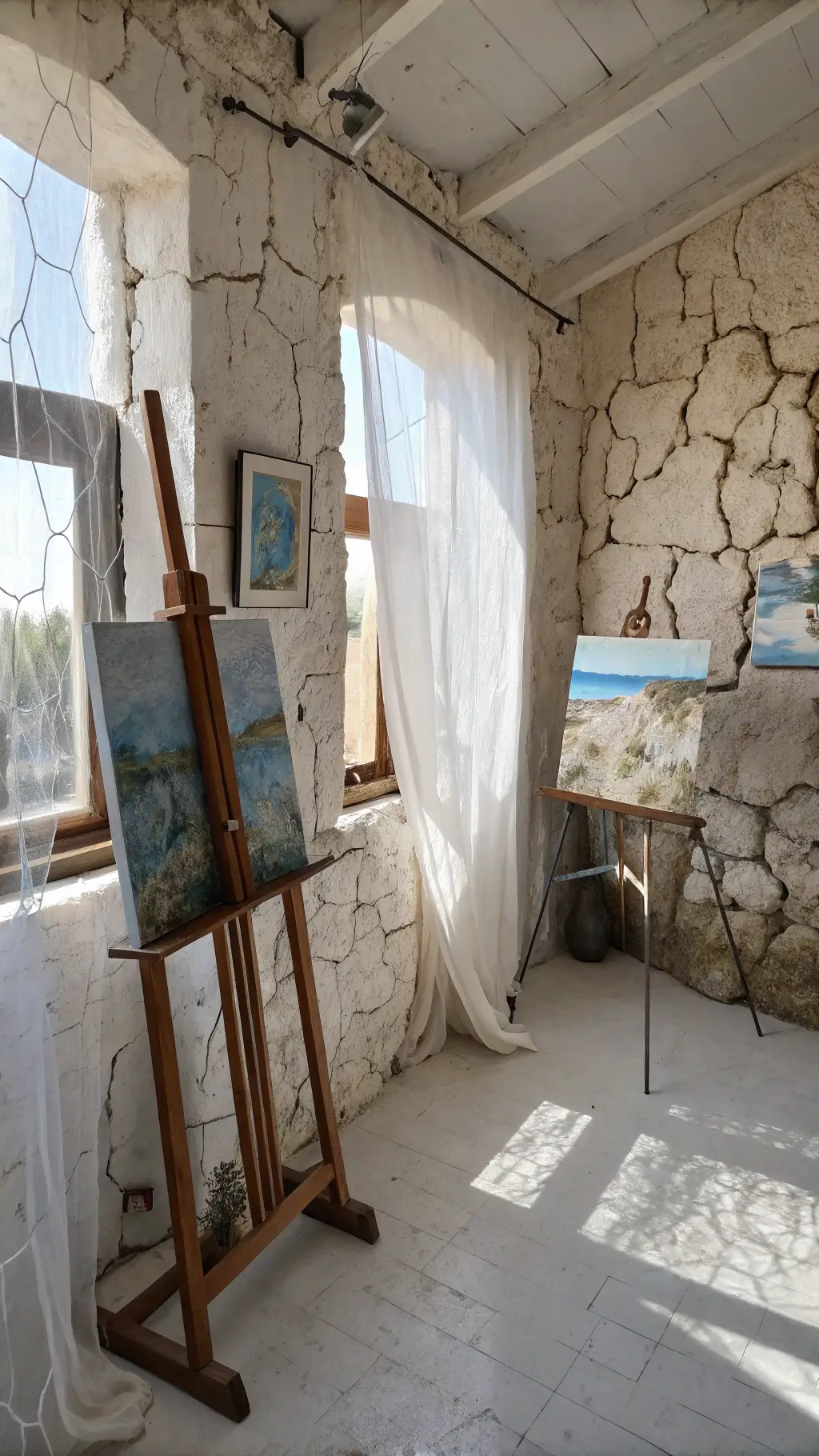
Embracing the Beauty of Imperfection: Understanding Wabi-Sabi
The concept of wabi-sabi has been deeply ingrained in many aspects of Japanese culture and has profoundly influenced various art forms. At its core, wabi-sabi is about noticing and appreciating the beauty in imperfection, impermanence, and the understated in everyday life.
What is Wabi-Sabi?
Wabi-sabi is a Japanese aesthetic that values simplicity, asymmetry, and the natural cycle of growth and decay. It is often described as the most conspicuous and characteristic feature of traditional Japanese beauty. The philosophy of wabi-sabi emphasizes the importance of appreciating imperfection, impermanence, and the incomplete aspects of life and art.
History and Origins
The concept of wabi-sabi has its roots in medieval Japan, where it was influenced by Zen Buddhism and Taoism. During this period, artists and craftsmen began to value the beauty of imperfection and impermanence in their work. The traditional Japanese tea ceremony is a prime example of wabi-sabi in practice, where the focus is on the simple, rustic, and imperfect aspects of nature and human experience.
Key Principles of Wabi-Sabi
- Things are flawed: Imperfections and imperfections are a natural part of the aging process.
- Things change: The cycle of growth, decay, and renewal is an essential aspect of wabi-sabi.
- Things are never fully finished: The pursuit of perfection is seen as futile, and the beauty of imperfection is celebrated.
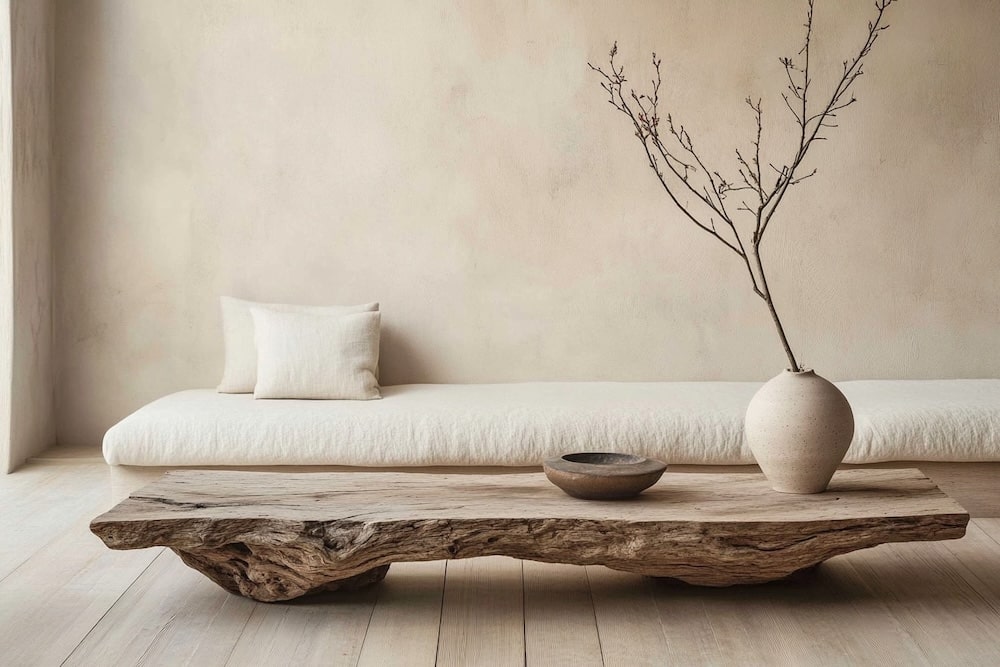
Applying Wabi-Sabi to Daily Life
Embracing the philosophy of wabi-sabi can be a mindful way to live. By appreciating the beauty in imperfection and impermanence, we can cultivate a deeper understanding of ourselves, nature, and the world around us.
Wabi-Sabi in Art and Design
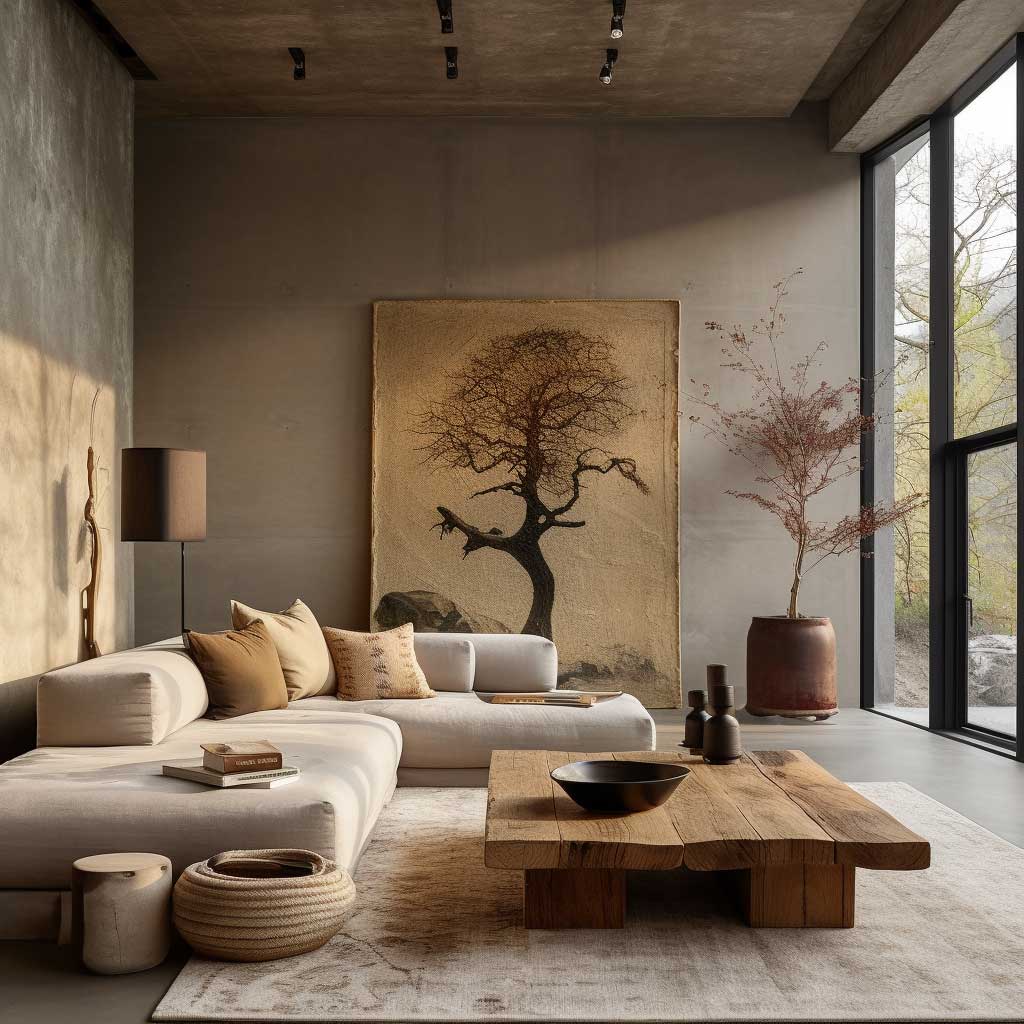
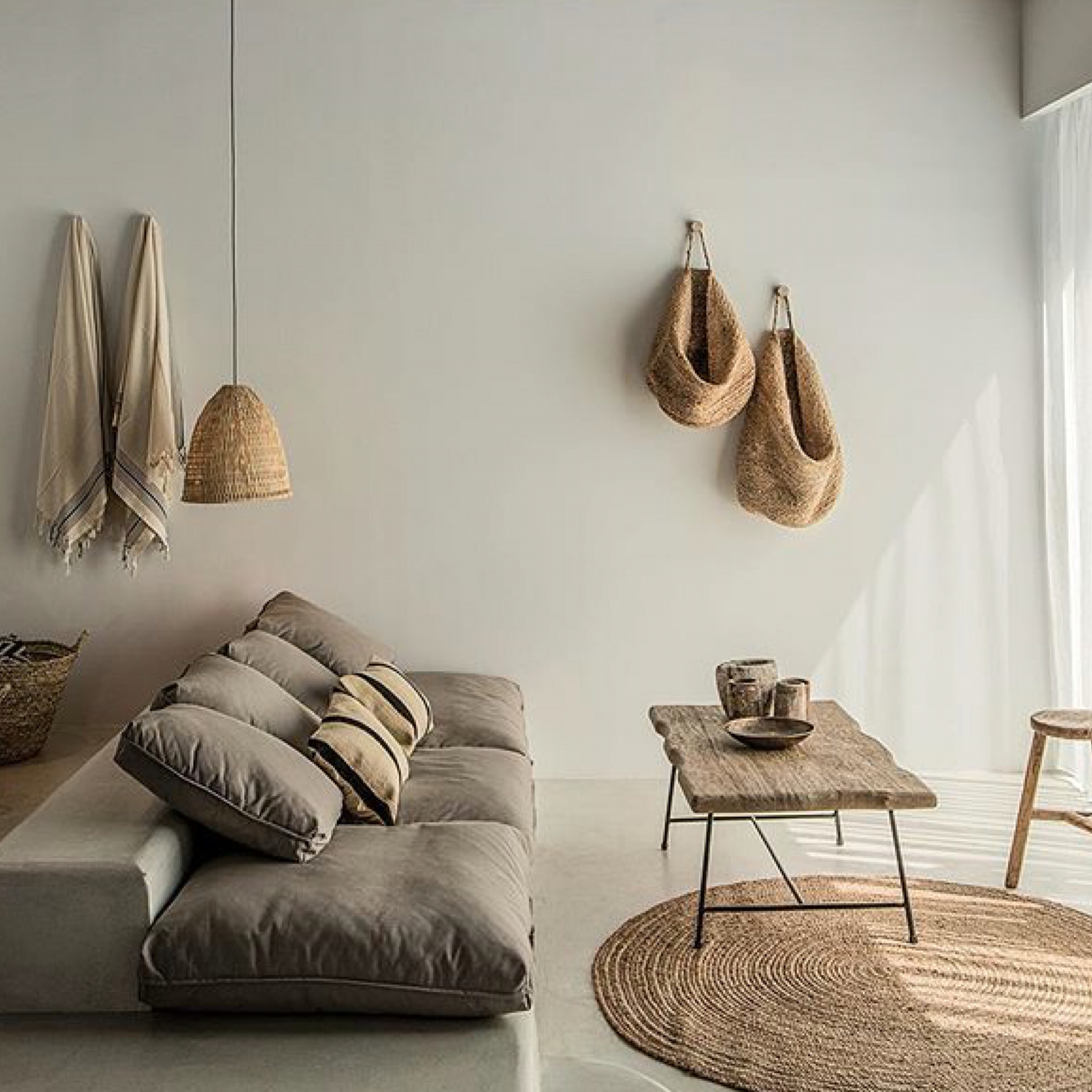
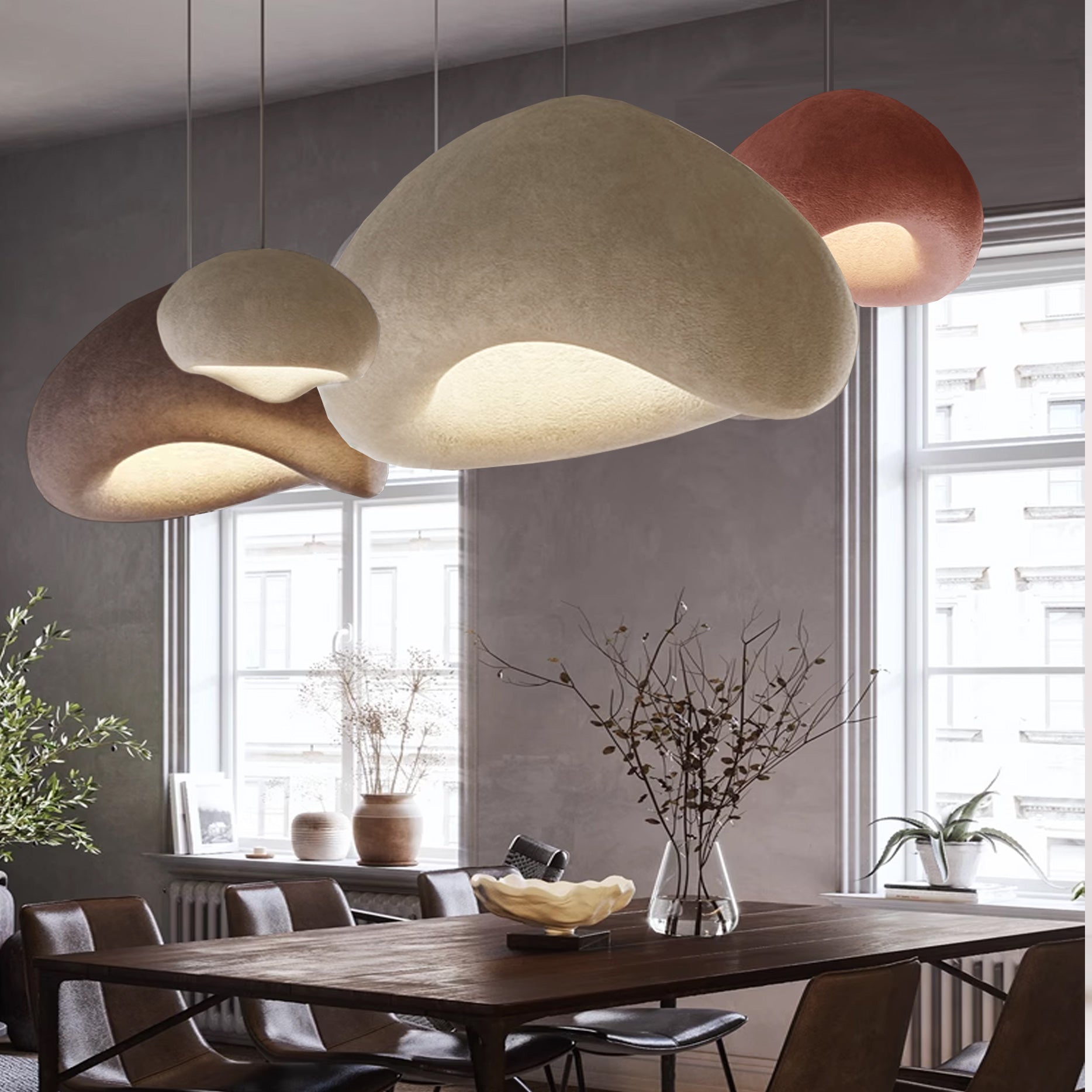
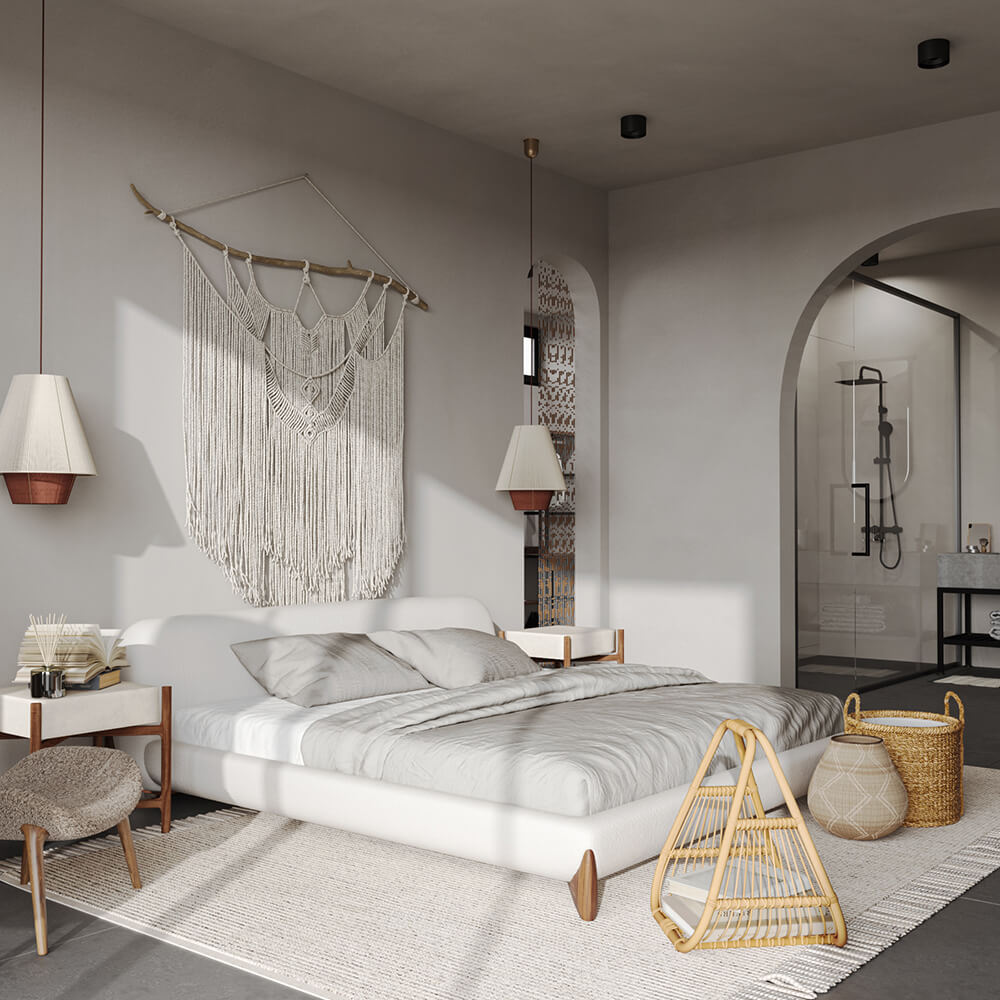
The world of wabi-sabi resonates across a wide range of fields, from everyday experiences of nature to architecture, tea ceremony, and literature. In design, wabi-sabi finds expression in its acceptance of imperfection and transience. This approach to design can result in unique and captivating pieces that reflect the artisan's touch and the unpredictability of nature.
Conclusion
Wabi-sabi is a profound and universal concept that has captured the hearts of artists, designers, and philosophers around the world. By embracing the beauty of imperfection and impermanence, we can find a new appreciation for the simple, the rustic, and the imperfect. This approach to life and art can lead to a deeper understanding of ourselves and the world around us, and ultimately result in a more meaningful and fulfilling experience.