The Dark Reality of Privacy Invasion: Understanding the Unseen Threats
Have you ever felt like you're being watched, or that your personal information is being used without your consent? You're not alone. In today's digital age, privacy invasion is a growing concern that affects us all. From social media to online data breaches, the lines between our private and public lives are becoming increasingly blurred. In this article, we'll explore the concept of privacy invasion, its types, and the real-life examples that highlight just how pervasive this issue is.
What is Privacy Invasion?
Privacy invasion, also known as invasion of privacy, is the unauthorized intrusion upon an individual's right to privacy. This can manifest in various ways, including:
- Appropriation of an individual's name, likeness, or image without consent.
- Unreasonable interference with an individual's seclusion or solitude.
- Publicizing private facts about an individual without a legitimate public interest.
Types of Privacy Invasion
Historically, privacy invasion has been categorized into four types: intrusion of solitude, public disclosure of private facts, false light, and public disclosure of true facts. Let's break down each of these categories:
- Intrusion of Solitude: This type involves physical or electronic intrusion into an individual's private quarters, such as hacking into their email or monitoring their phone activity.
- Public Disclosure of Private Facts: This type involves the dissemination of truthful private information that an individual would not want publicly known, such as health issues or personal secrets.
- False Light: This type involves the spread of false information that, if true, would be private and embarrassing to an individual.
- Public Disclosure of True Facts: This type involves the public disclosure of true facts about an individual that would be considered private and embarrassing, but are actually accurate.
Real-Life Examples of Privacy Invasion

Let's look at some real-life examples of how privacy invasion can occur:
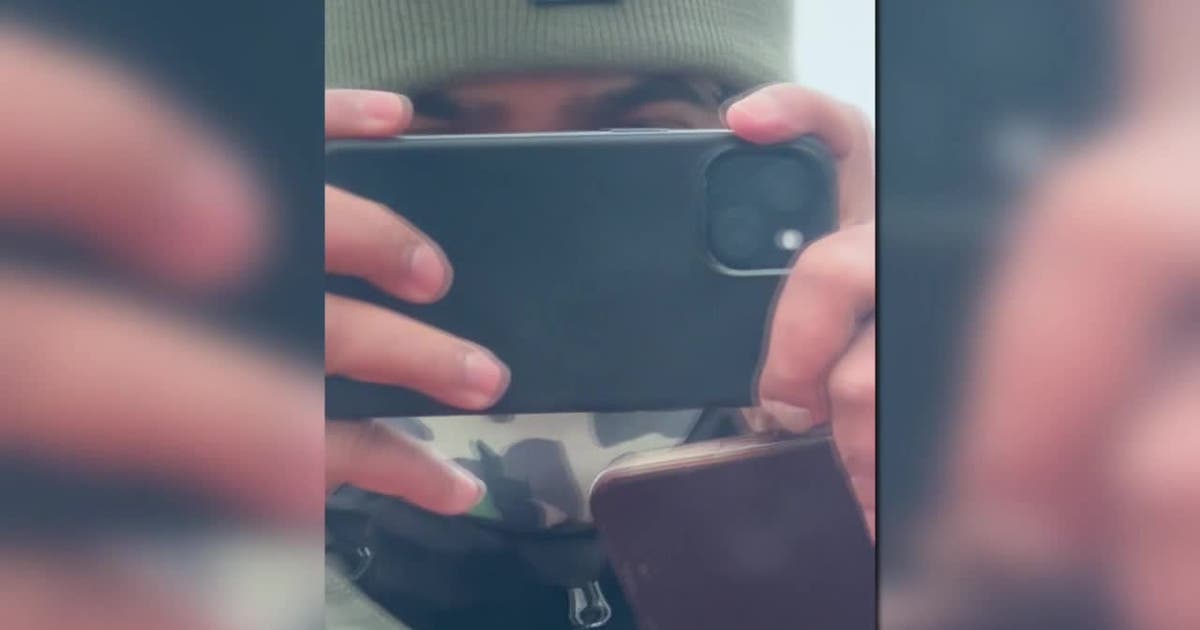
- Imagine walking into a public bathroom and finding a stranger taking a photo of you without your consent. This is an example of intrusion of solitude.
- Think about sharing your personal struggles with a friend, only to see that information shared on social media without your permission. This is an example of public disclosure of private facts.
- Envision being falsely accused of a crime or having a fake persona created online about you. This is an example of false light.
- Consider being recorded by a security camera or having your social media activity tracked without your consent. This is an example of public disclosure of true facts.
Protecting Your Privacy
So, how can you protect yourself from privacy invasion? Here are some tips:
- Be cautious with social media and online sharing.
- Use strong passwords and keep your devices secure.
- Monitor your credit score and financial accounts.
- Be aware of your surroundings and set boundaries.
Conclusion
Privacy invasion is a real and growing concern in today's digital age. By understanding the different types of privacy invasion and the real-life examples that highlight the issue, we can take steps to protect our own privacy and respect others'. Remember, your right to privacy is a fundamental human right, and it's up to us to defend it.