Protect Yourself from Identity Thieves via Tax Return: A Comprehensive Guide
Identity theft is a growing concern in today's digital age, and tax returns are a prime target for identity thieves. With the rise of digital tax filing, it's easier than ever for thieves to steal your personal information and file a false tax return in your name. In this article, we'll explore the ways in which identity thieves use tax returns to commit fraud and provide you with tips on how to protect yourself from these scams.
What is Tax-Related Identity Theft?
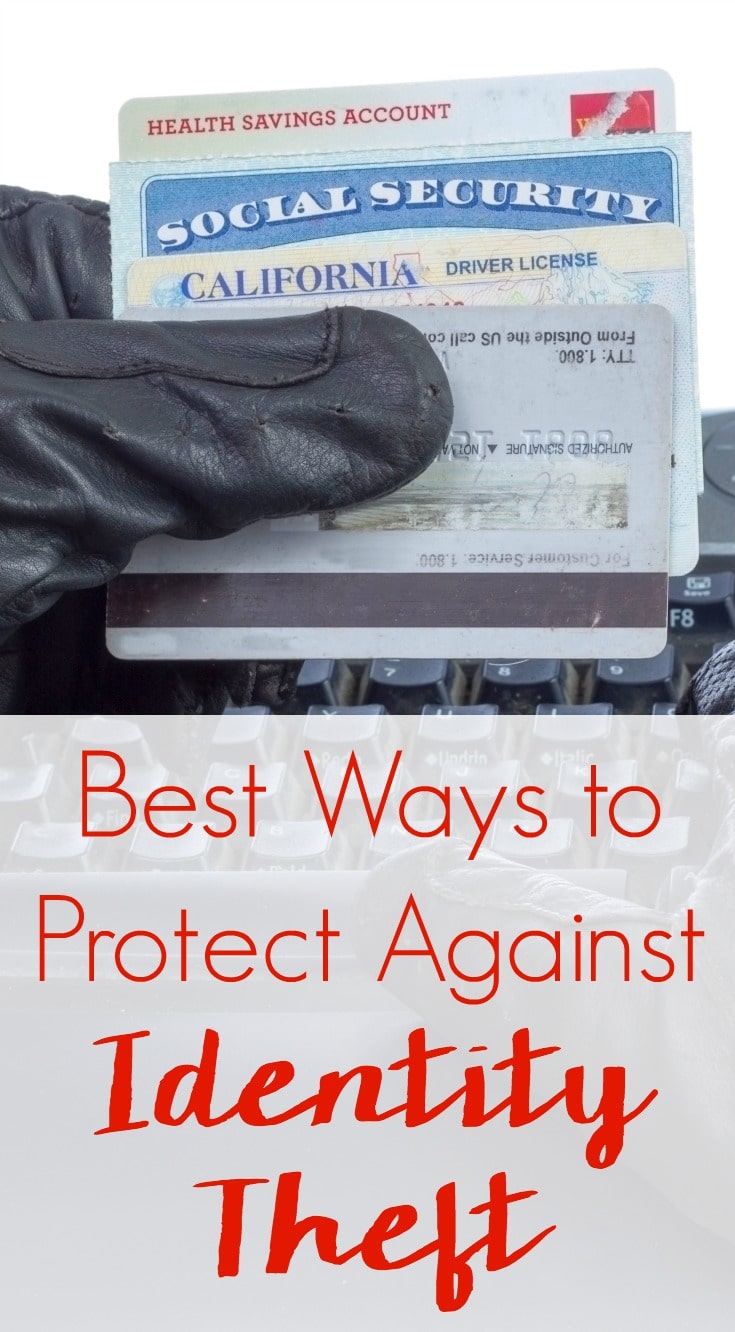
Tax-related identity theft occurs when someone uses your Social Security number to file a false tax return and claim a refund in your name. This can happen even if you've never filed a tax return before, or if you've already filed a return and paid your taxes. Thieves often use stolen Social Security numbers, driver's licenses, or other personal information to commit tax-related identity theft.
Warning Signs of Tax-Related Identity Theft
- You receive a notice from the IRS indicating that more than one tax return has been filed in your name.
- You're rejected for e-file when you try to file your tax return.
- You receive a notice from the IRS indicating that you owe additional taxes, but you're not sure why.
- Someone has applied for credit in your name.
- Someone has used your Social Security number to file a tax return and claim a refund.
How to Protect Yourself from Tax-Related Identity Theft
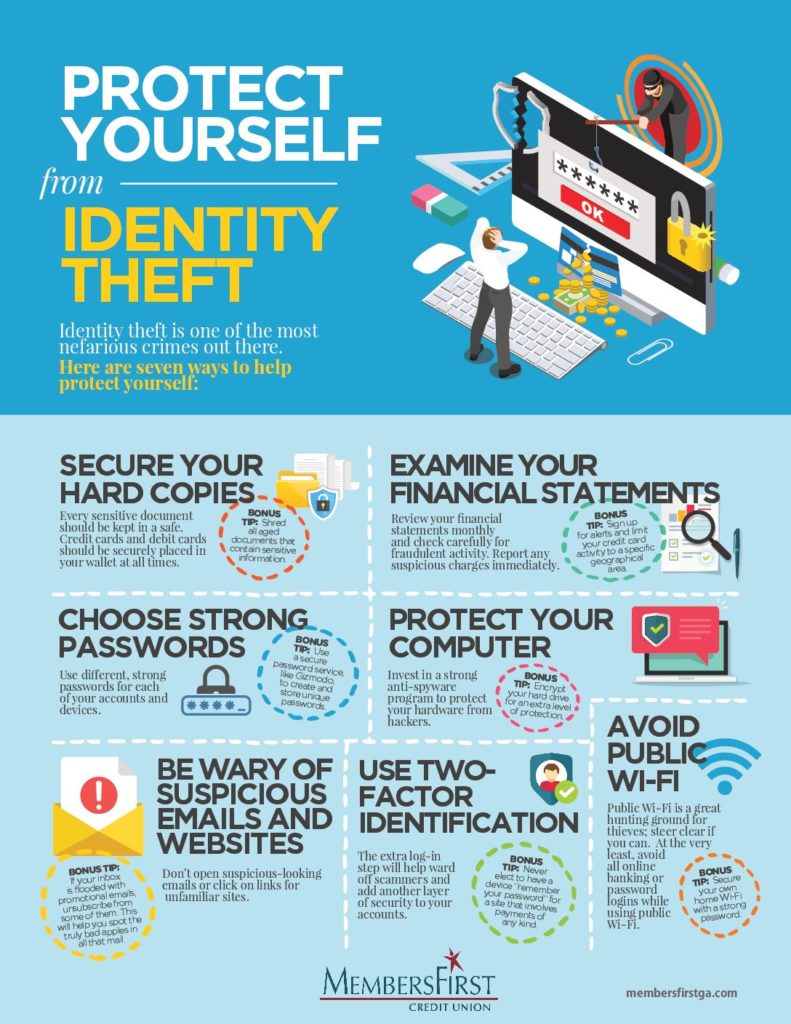
To protect yourself from tax-related identity theft, follow these steps:

- File your tax return early, so that your return can be processed before anyone else tries to file in your name.
- Get an Identity Protection Personal Identification Number (IP PIN) from the IRS, which will be required to file your tax return in future years.
- Use a secure password and two-factor authentication to protect your online tax account.
- Don't give out your Social Security number or driver's license number unless absolutely necessary.
- Monitor your credit report regularly for signs of identity theft.
What to Do If You're a Victim of Tax-Related Identity Theft
If you're a victim of tax-related identity theft, follow these steps:
- File Form 14039, Identity Theft Affidavit, to report the theft and get a personal identification number (PIN).
- Complete Form 4868, Application for Automatic Extension of Time To File U.S. Individual Income Tax Return, to extend the filing deadline for your tax return.
- File a police report and get a copy of the report.
- Change your passwords and security questions for your online tax account.
- Monitor your credit report regularly for signs of identity theft.
Conclusion
Tax-related identity theft is a growing concern in today's digital age. By following the steps outlined in this article, you can protect yourself from identity thieves via tax return and avoid becoming a victim of tax-related identity theft. Remember to file your tax return early, get an IP PIN, use secure passwords, and monitor your credit report regularly to stay safe.