Reducing Social Phubbing Impact on Schools: Strategies and Solutions
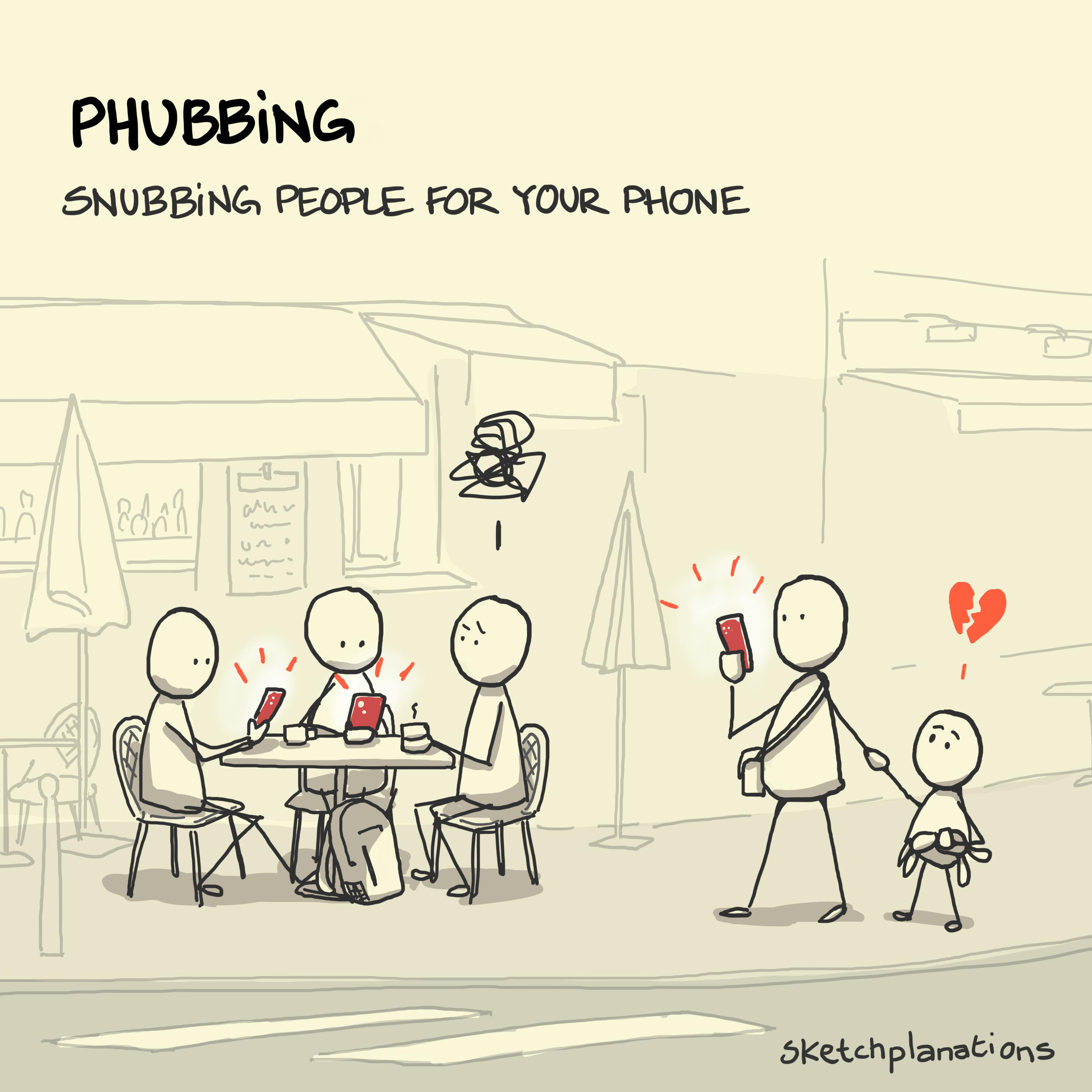
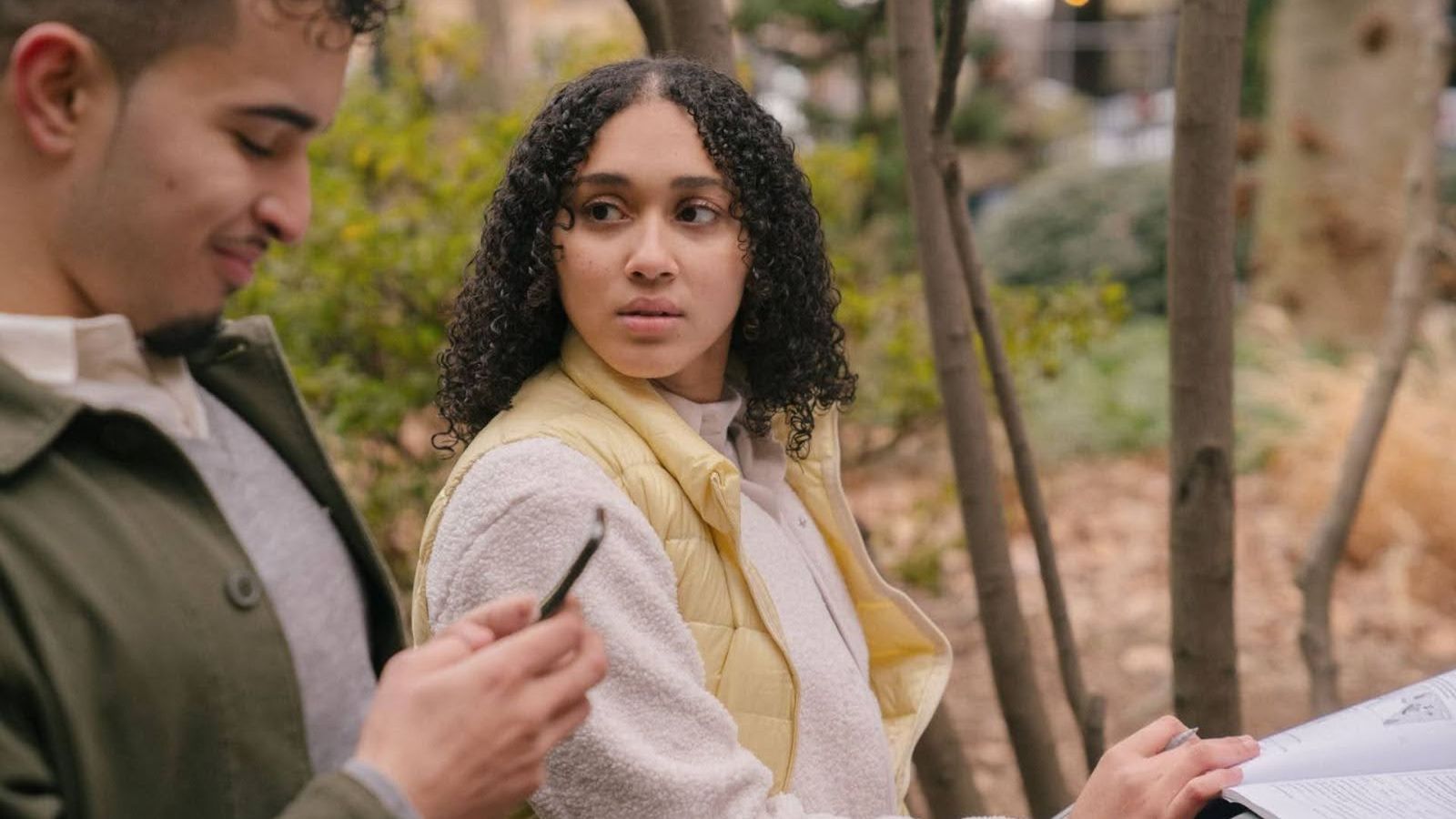
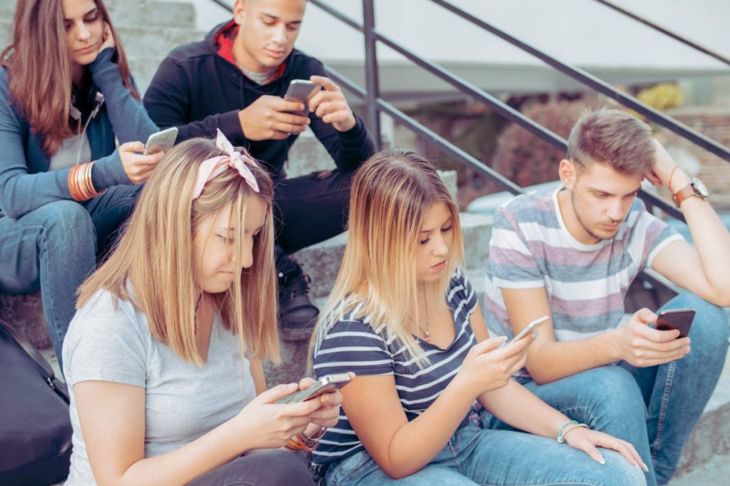
Phubbing, a phenomenon that refers to the act of ignoring someone in a social setting to use a smartphone, has become increasingly common in today's digital era. This behavior has a significant impact on the quality of communication and interpersonal relationships, which can have far-reaching consequences in educational settings. In this article, we will explore the effects of social phubbing on schools and discuss strategies for reducing its impact.
The Effects of Social Phubbing on Schools
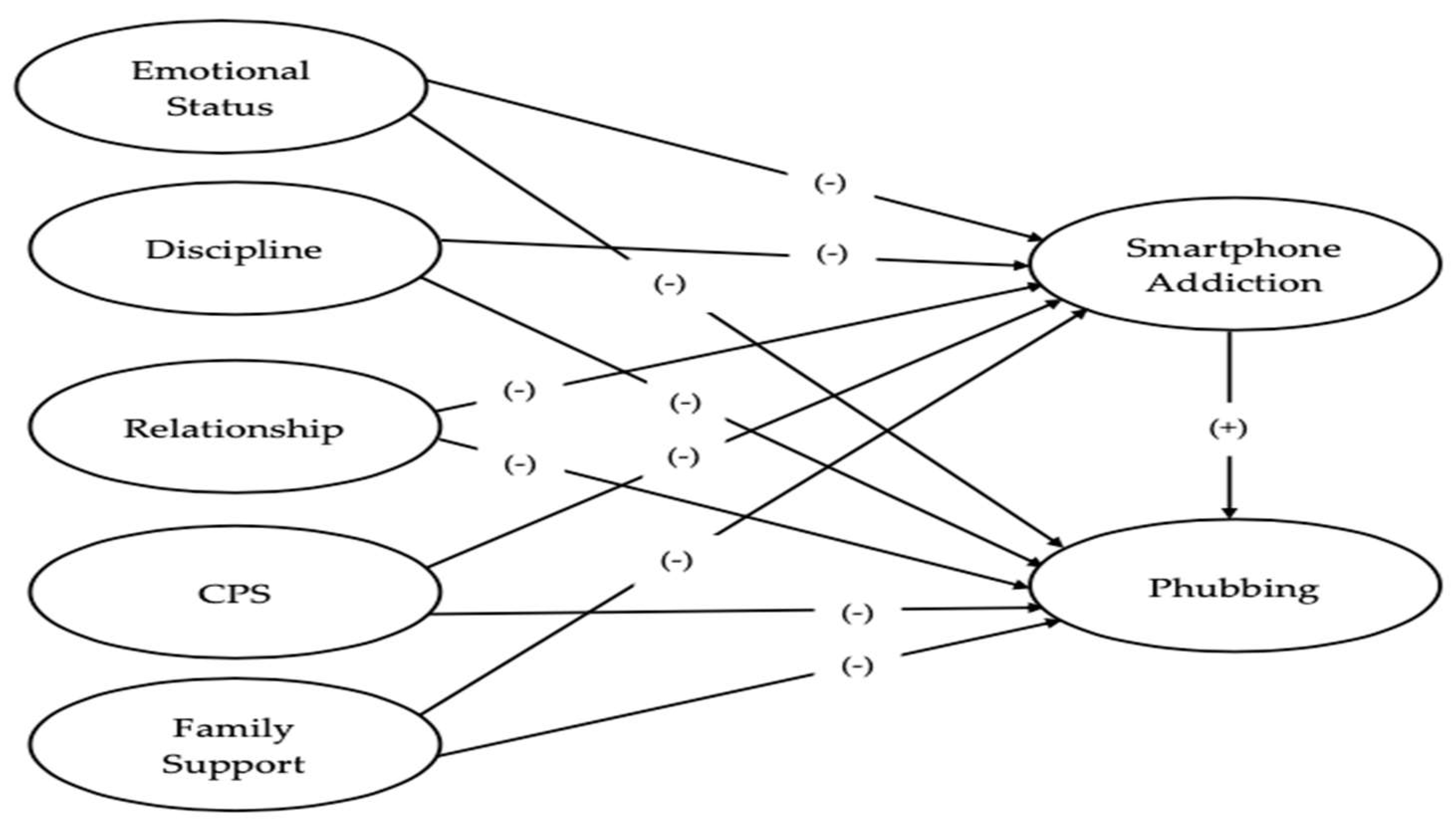
Studies have shown that social phubbing can have a negative impact on academic performance, as it can disrupt face-to-face conversations and reduce the quality of interpersonal interactions. This can lead to feelings of exclusion and loneliness, which can trigger mental health issues such as depression and anxiety. Moreover, social phubbing can also affect teacher-student relationships and create a negative learning environment.
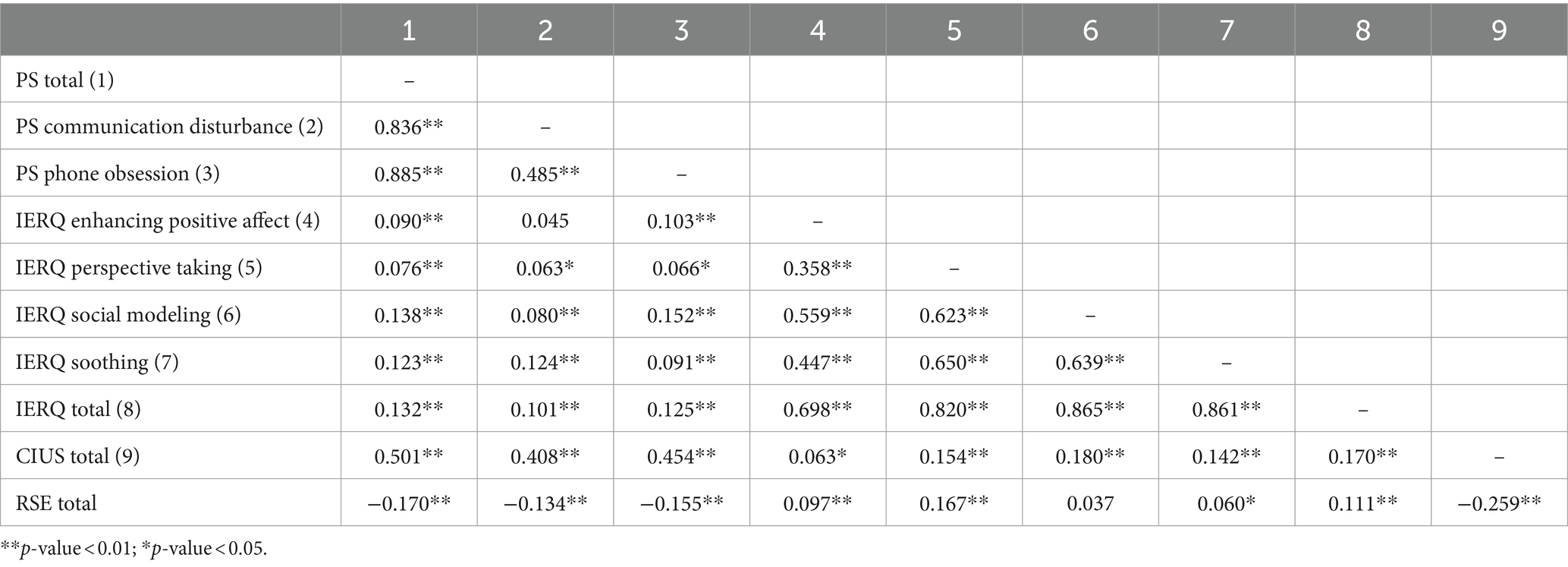
According to research, social phubbing is widespread among university students, and it can have a significant impact on learning environments. In fact, a study found that students who engage in social phubbing tend to have lower academic performance and lower levels of social support from their peers.
Strategies for Reducing Social Phubbing Impact on Schools
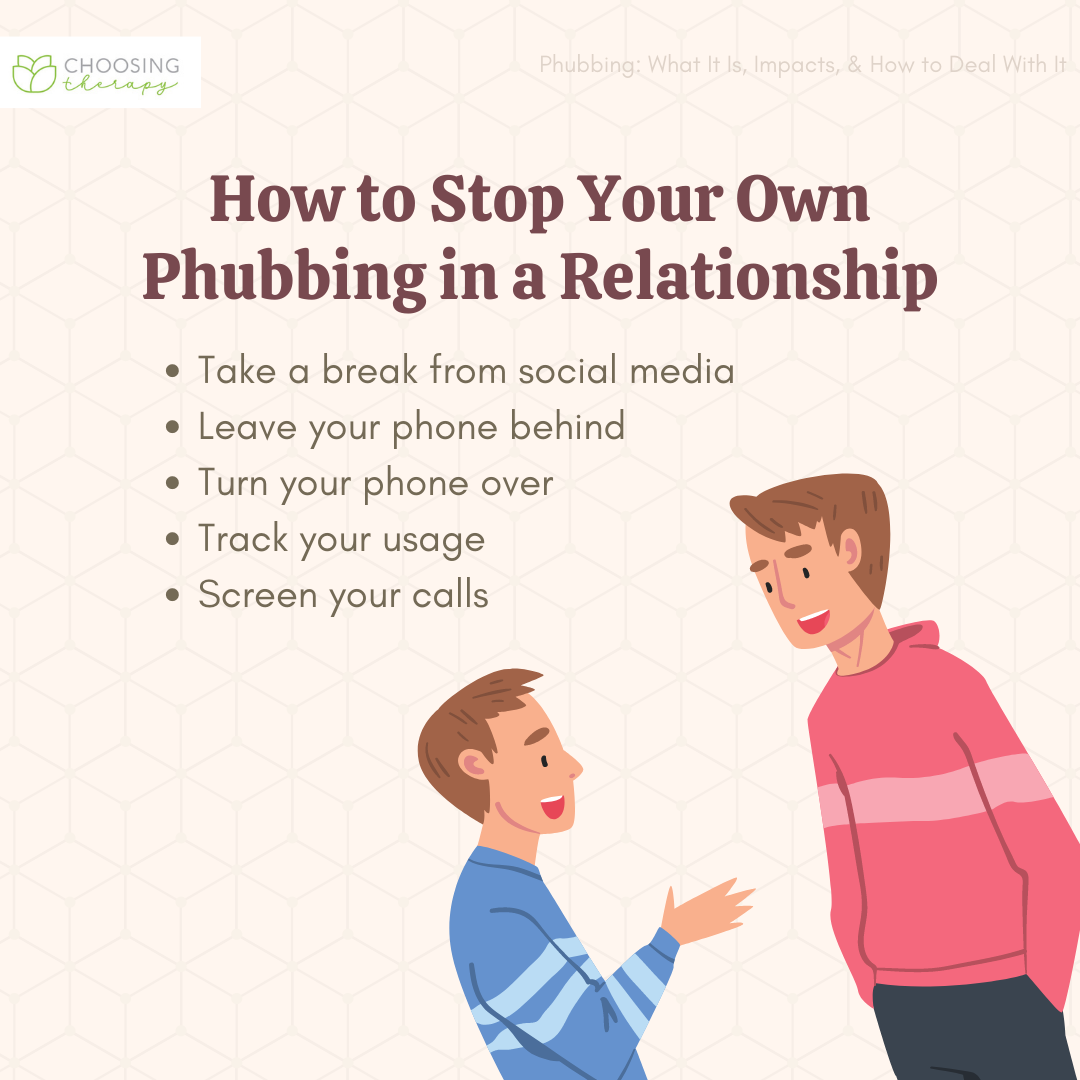
Given the negative impact of social phubbing on schools, it is essential to implement strategies to reduce its effects. Here are some practical solutions for managing and preventing social phubbing:
- Implementing policies regulating device use: Schools can establish policies regulating the use of smartphones and other devices during class and extracurricular activities.
- Creating awareness programs: Schools can host awareness programs to educate students about the negative effects of social phubbing and promote responsible device use.
- Teacher training: Teachers can receive training on how to manage social phubbing in the classroom and promote positive social interactions.
- Encouraging face-to-face communication: Schools can encourage face-to-face communication by organizing group projects, discussions, and other activities that promote interpersonal interactions.
- Setting rules and guidelines: Schools can establish rules and guidelines for device use during school hours and provide consequences for violating these rules.
- Providing alternatives to devices: Schools can provide alternative activities and resources that do not involve devices, such as books, games, and sports.

Conclusion
Reducing social phubbing impact on schools requires a multi-faceted approach that involves implementing policies, creating awareness, and promoting positive social interactions. By embracing these strategies, schools can create a positive learning environment that promotes academic success and social well-being.
Recommendations for Parents and Educators
Parents and educators play a crucial role in promoting responsible device use and reducing social phubbing in schools. Here are some recommendations:
- Model responsible device use: Parents and educators should model responsible device use and promote healthy technology habits among students.
- Encourage face-to-face communication: Parents and educators can encourage face-to-face communication by organizing family activities and promoting social interactions among students.
- Monitor device use: Parents and educators should monitor device use and set clear rules and guidelines for device use during school hours.
- Provide alternatives to devices: Parents and educators can provide alternative activities and resources that do not involve devices, such as books, games, and sports.
Conclusion
Reducing social phubbing impact on schools requires a concerted effort from parents, educators, and policymakers. By embracing these strategies and recommendations, we can create a positive learning environment that promotes academic success and social well-being.