How to Protect Your Eyes from Blue Light
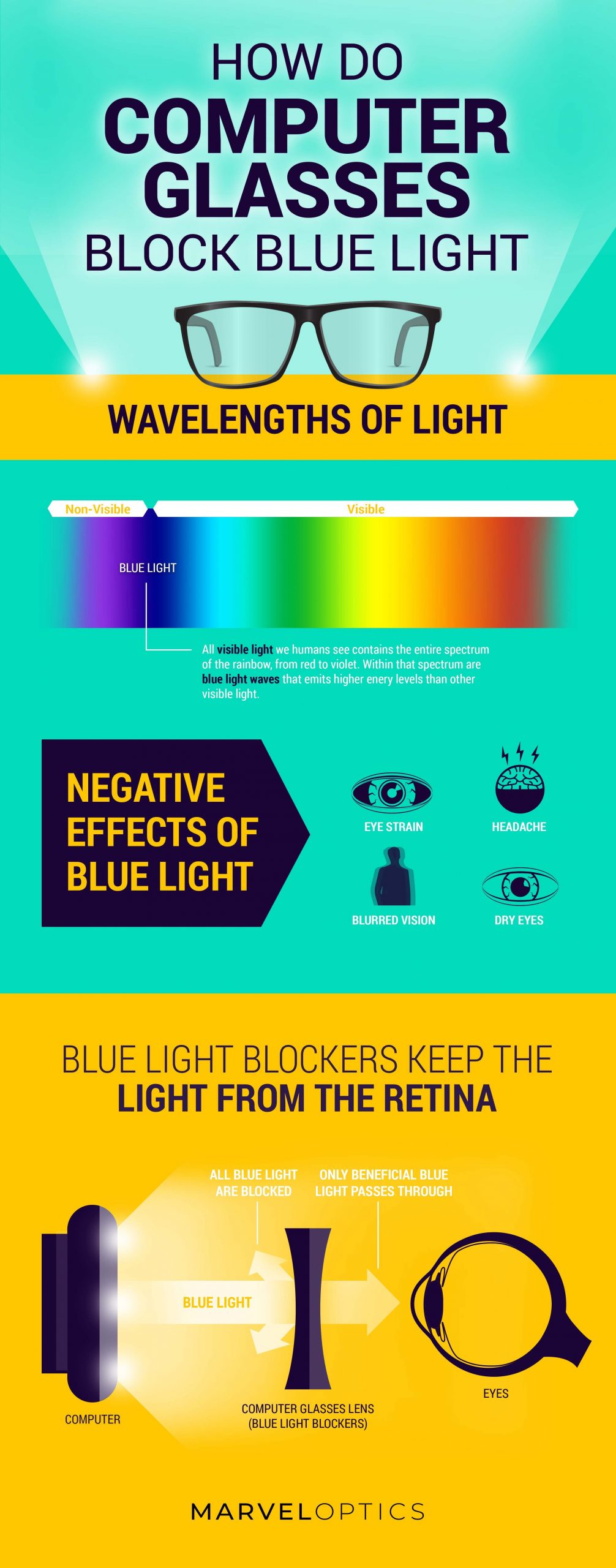
In today's screen-filled world, it's easy to overlook the impact of blue light on our eyes. Blue light, also known as high-energy visible (HEV) light, is a high-frequency electromagnetic radiation with a shorter wavelength than visible light, emitted by digital screens, LED lights, and even the sun. Prolonged exposure to blue light can cause eye strain, disrupt sleep patterns, and contribute to long-term vision problems.
The Dangers of Blue Light Exposure
- Eye Strain: Blue light can cause eye fatigue, dryness, and irritation, especially after prolonged screen time.
- Sleep Disturbances: Exposure to blue light in the evening can suppress melatonin production, leading to difficulty falling asleep or staying asleep.
- Long-term Vision Problems: Research suggests that prolonged blue light exposure may increase the risk of macular degeneration and other eye diseases.
How to Protect Your Eyes from Blue Light
The good news is that there are effective ways to protect your eyes from blue light:
1. Wear Blue Light Blocking Lenses
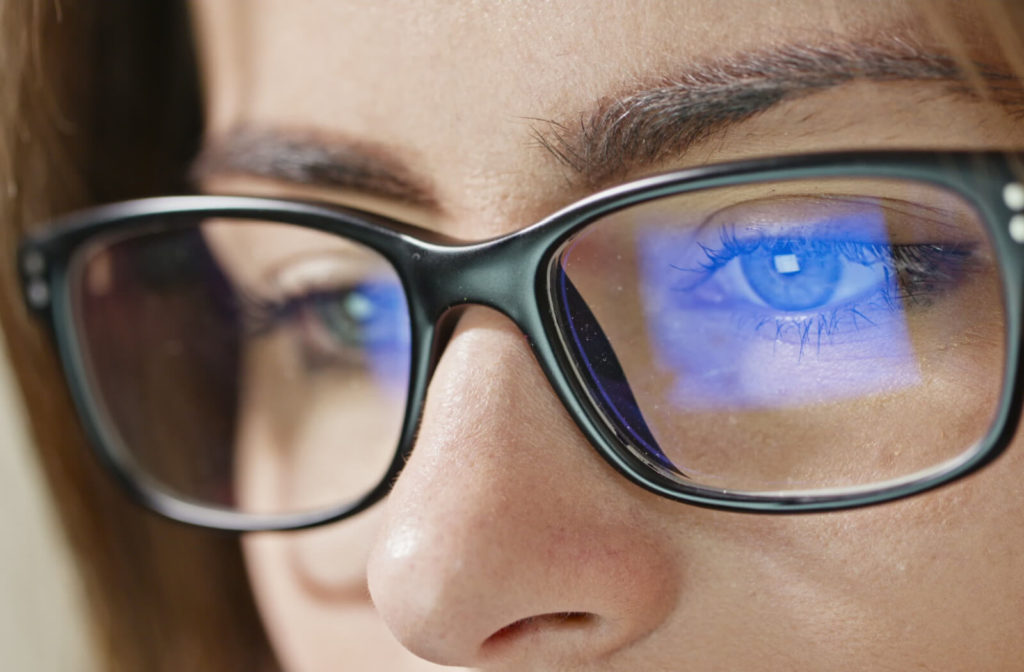
Wearing blue light blocking lenses is one of the most effective ways to protect your eyes from blue light. These lenses filter out or block the blue light emitted from digital screens, reducing eye strain and promoting healthier vision. You can find blue light blocking lenses in glasses, contact lenses, or even screen protectors.
2. Limit Screen Time
Reducing screen time is another effective way to minimize blue light exposure. Take regular breaks from screens, use good lighting, and adjust the display settings on your devices to reduce blue light emission.

3. Follow Healthy Eye Care Practices
Good eye care habits can help minimize the effects of blue light exposure. Follow the 20-20-20 rule, which recommends every 20 minutes, look away from your screen and focus on something 20 feet away for 20 seconds. Also, make sure to blink regularly and avoid rubbing your eyes.
4. Consider Blue Light Filtering Software
Blue light filtering software, such as f.lux, can adjust the color temperature of your screens to reduce blue light emission. This can be especially helpful for individuals who spend extended periods in front of screens.
5. Eat a Balanced Diet
A well-balanced diet rich in antioxidants, omega-3 fatty acids, and other essential nutrients can help protect your eyes from blue light damage. Foods like leafy greens, nuts, and fatty fish can help reduce eye strain and promote healthy vision.
Conclusion
Protecting your eyes from blue light is essential in today's digital age. By following these simple tips, you can reduce eye strain, promote healthier vision, and minimize the risk of long-term vision problems. Remember to wear blue light blocking lenses, limit screen time, follow good eye care practices, consider blue light filtering software, and maintain a balanced diet to safeguard your vision.