Small Business Risk Management Strategies: Protect Your Business from Uncertainty
Running a small business can be an exciting venture, but it's also a challenging one. With numerous risks and uncertainties lurking around every corner, it's essential to have a solid risk management strategy in place. In this article, we'll explore the top 10 small business risk management strategies to help you protect your business from unexpected threats and ensure its success.
What is Small Business Risk Management?
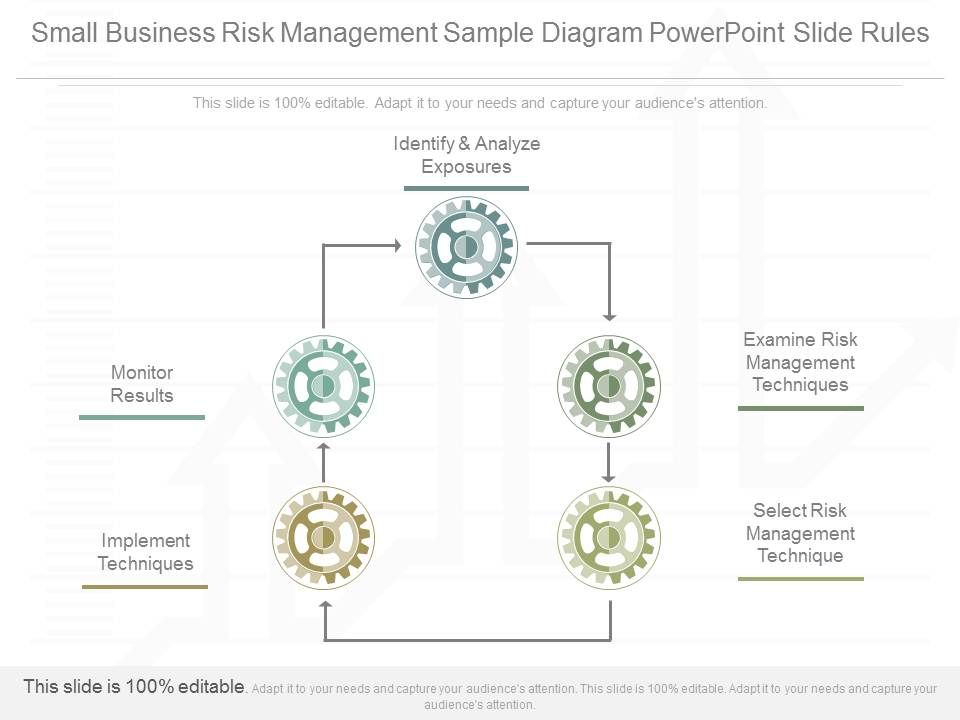
Small business risk management is the process of identifying, evaluating, and mitigating potential risks that could adversely affect a small business. This includes identifying potential risks, assessing their likelihood and potential impact, and developing strategies to minimize or mitigate them.
Common Risks Facing Small Businesses
Small businesses may face risks due to external or internal factors, including:
- Economic conditions
- Lawsuits
- Competitors
- The weather
- Supply chain disruptions
- Cybersecurity threats
- Regulatory changes
- Employee turnover
Top 10 Small Business Risk Management Strategies
To help minimize and manage risks, small businesses can employ the following strategies:
1. Develop a Comprehensive Risk Management Plan
A robust risk management plan should include identifying, assessing, and mitigating risks, as well as implementing controls to minimize their impact. The plan should be regularly reviewed and updated to ensure it remains effective.
2. Conduct Regular Risk Assessments
Regular risk assessments help identify potential risks and opportunities for growth. This involves evaluating the likelihood and potential impact of potential risks and developing strategies to mitigate or minimize them.
3. Implement Cybersecurity Measures
Cybersecurity threats are a significant risk for small businesses. Implementing robust cybersecurity measures, such as firewalls, antivirus software, and employee training, can help mitigate these risks.
4. Diversify Your Business
Diversifying your business can help mitigate risks by spreading them across different markets or product lines. This can help reduce the impact of a single risk event.
5. Build an Emergency Fund
Adequate emergency funding can help your business weather unforeseen events, such as natural disasters or economic downturns.
6. Develop a Business Continuity Plan
A business continuity plan helps your business recover quickly from unexpected events, such as natural disasters or system failures.
7. Implement a Compliance Program
A compliance program helps ensure your business meets regulatory requirements and minimizes the risk of non-compliance.
8. Train Employees
Employee training is essential for identifying and mitigating risks. Employees should be trained on their roles and responsibilities, as well as company policies and procedures.
9. Monitor and Review Your Business
Regular monitoring and review of your business can help identify potential risks and opportunities for growth. This involves evaluating financial performance, customer satisfaction, and market trends.
10. Seek Professional Advice
Seeking professional advice from experts, such as accountants, lawyers, or financial advisors, can help your business navigate complex risks and ensure compliance with regulatory requirements.
Conclusion
Implementing small business risk management strategies can help protect your business from unexpected threats and ensure its success. By identifying, assessing, and mitigating potential risks, you can minimize their impact and maximize your business's potential. Remember to regularly review and update your risk management plan to ensure it remains effective.











:max_bytes(150000):strip_icc()/methods-handling-risk-quick-guide.asp_final-c386ed66ca654c3f8d6d14db0818183b.jpg "Wiley Online Library | Scientific research articles, journals, books ...")