Start a Minecraft Server on Windows
To start a Minecraft server on Windows, you'll need to have the Minecraft game installed on your computer, as well as some basic knowledge of Windows and the command prompt. If you're new to hosting a Minecraft server, this step-by-step guide will walk you through the process of setting up a Java Edition server on your Windows computer.
What Do You Need to Run a Minecraft Server?
A basic, un-modded Minecraft server can be run on any modern PC, and probably even the old computer that has been sitting in your closet diligently collecting dust. However, to run a Minecraft server, you'll need a Windows 10 desktop or server, at least 4GB of RAM, a reliable wired network connection, and a generous internet bandwidth plan. Minecraft can use up to 100MB per player per hour, so an unlimited bandwidth plan is ideal.
Step 1: Download the Minecraft Server JAR File
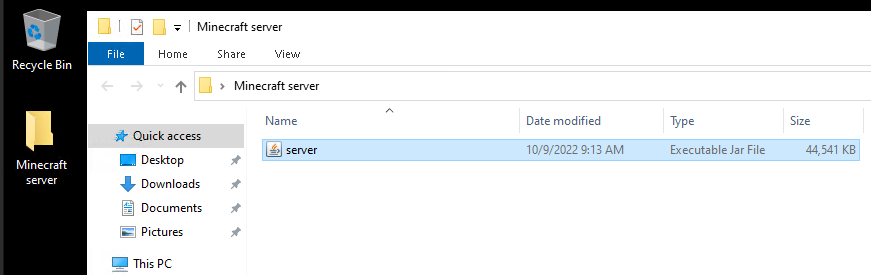
To start a Minecraft server, you'll need to download the Minecraft server JAR file. You can find this file on the Minecraft website or on the official Minecraft forums. Download the file and save it to a location on your computer, such as your desktop or documents folder.
Step 2: Open the Command Prompt
Next, you'll need to open the command prompt on your Windows computer. To do this, press the Windows key + R to open the Run dialog box, type in "cmd" and press Enter. This will open the command prompt.
Step 3: Navigate to the Server Directory
In the command prompt, navigate to the directory where you saved the Minecraft server JAR file. To do this, type in the path to the directory, or navigate to it by typing "cd" followed by the path to the directory, and then press Enter.
Step 4: Run the Server Command

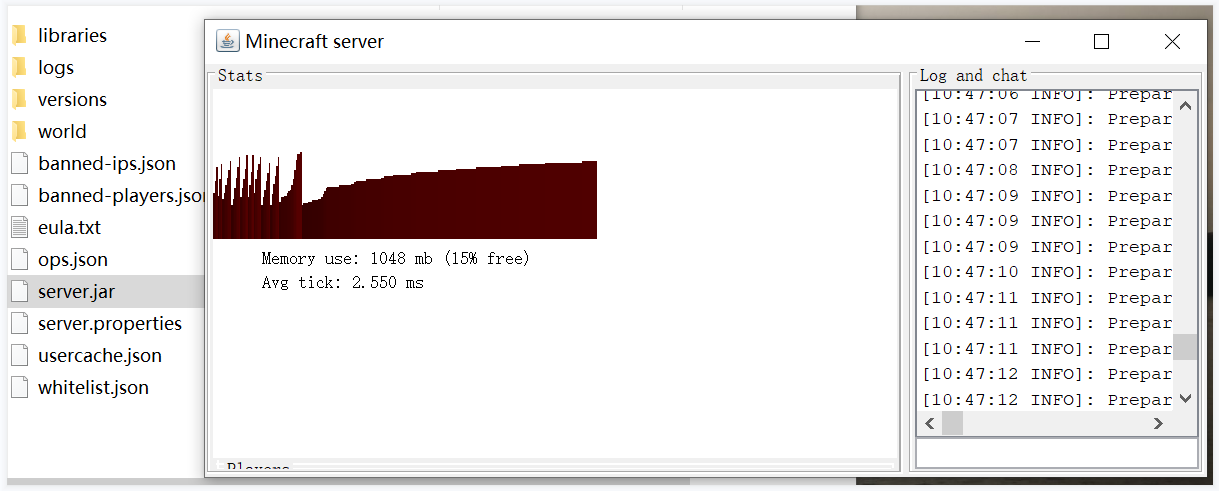
Once you're in the correct directory, type in the command to run the server. The command is "java -Xmx1024M -Xms1024M -jar "server.jar". This command tells the Java Runtime Environment (JRE) to allocate 1024MB of RAM to the server, with a maximum of 1024MB, and then runs the server.jar file. Press Enter to execute the command.
Step 5: Configure the Server Settings
After the server has started, you'll need to configure the server settings to your liking. You can do this by editing the server.properties file, which is located in the same directory as the server JAR file. This file contains all the settings for your server, including the server name, game mode, and difficulty level.
- Server Name: Set the name of your server.
- Game Mode: Set the game mode to survival, creative, or a custom game mode.
- Difficulty Level: Set the difficulty level of your server.
- Spawn Eggs: Set the number of spawn eggs.
- Spawn Protection: Set the protection level of the spawn area.
Step 6: Launch the Server
Once you've configured the server settings, you can launch the server by typing "java -jar server.jar" in the command prompt and pressing Enter. This will start the server, and you'll be able to connect to it using a Minecraft client.
Step 7: Connect to the Server
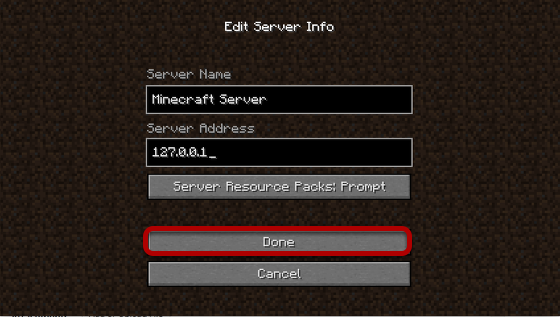
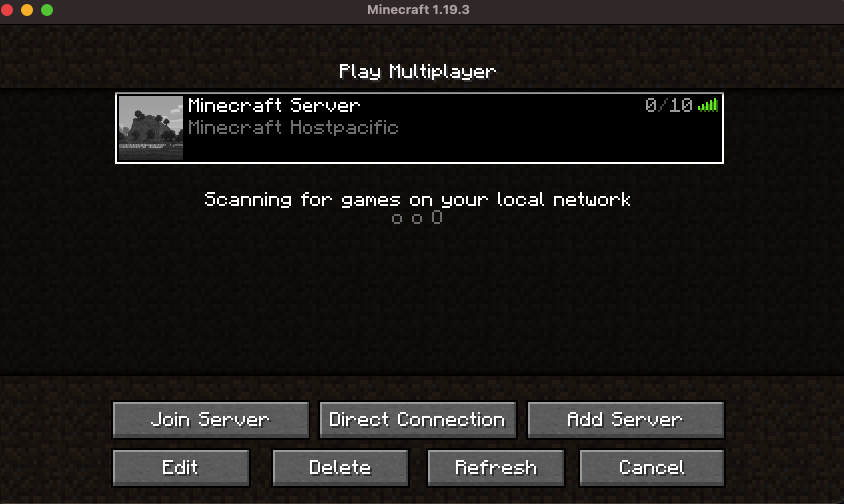
To connect to the server, open a Minecraft client and go to the multiplayer menu. Click on the "Add Server" button and enter the server IP address, which is the IP address of your server. You can find the server IP address in the server.properties file. If you're hosting the server on the same computer as you're playing on, you can use "localhost" instead of the server IP address.
Step 8: Test the Server
Once you're connected to the server, test the server by checking that it's working correctly. You can do this by joining the server, building structures, and testing the game mechanics.