Understanding Tech Reliance: The Balancing Act Between Convenience and Vulnerability
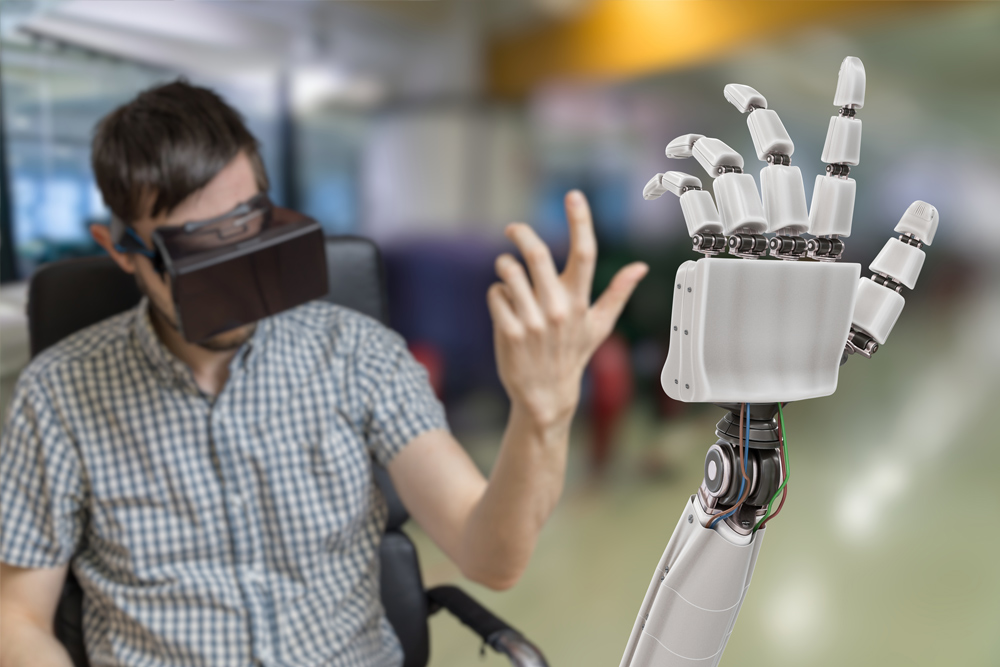
The notion of tech reliance has become an integral aspect of our daily lives. The convenience offered by technology has undoubtedly enhanced our productivity and connectivity. However, this growing dependence on technology has also sparked concerns about the potential risks and vulnerabilities associated with it. In this article, we will delve into the concept of tech reliance, its implications, and the need for a balanced approach to harness its benefits while minimizing its drawbacks.
The phenomenon of tech reliance is not new. As we continue to integrate technology into every facet of our lives, the stakes of over-reliance grow exponentially. With increasing reliance on digital platforms, social media, and IoT devices, the risk of disruptions due to cyber threats, data breaches, or equipment failures significantly amplifies.
Over-reliance on Technology: A Double-edged Sword
On one hand, technology has made tremendous strides in improving our quality of life. It has streamlined processes, increased efficiency, and opened new avenues for innovation and economic growth. The accelerated adoption of digital tools and AI has enabled businesses to expand their reach, communicate more effectively, and cater to diverse customer needs. Moreover, technology has facilitated seamless collaboration, information sharing, and access to knowledge, breaking geographical barriers and empowering global communities.
However, an over-reliance on technology can leave us vulnerable to a range of consequences. The dependence on digital infrastructure makes us susceptible to cyber attacks, data breaches, and other forms of exploitation. As technology becomes increasingly integral to our daily routines, we face the prospect of decreased resilience in the face of service outages or equipment failure. Furthermore, excessive tech reliance may have unintended effects on our social skills, cognitive abilities, and emotional well-being, causing us to neglect essential human interactions and critical thinking skills.
Breaking the Cycle of Over-reliance
So, how do we navigate the delicate balance between harnessing technology's benefits and minimizing its risks? Firstly, it's essential to acknowledge that technology is a tool, not a panacea. By recognizing the value of human interaction, critical thinking, and traditional skills, we can establish a more equitable relationship with technology. This involves cultivating a greater awareness of our reliance on digital systems and taking proactive measures to enhance resilience and mitigate potential risks.
Designing Technology for Reliability and Usability
Technologists and policymakers have a critical role to play in designing technology that promotes usability, reliability, and transparency. By incorporating human-centered designs, developers can create systems that minimize the risk of user error and optimize the user experience. Furthermore, implementing redundant systems, regular software updates, and robust cybersecurity protocols can significantly reduce the likelihood of disruptions and data breaches.
Conclusion
The concept of tech reliance is multifaceted and deeply intertwined with our personal and professional lives. By acknowledging the benefits and risks associated with technology, we can take a more nuanced approach to our reliance on it. By recognizing the value of human interaction, traditional skills, and responsible tech design, we can strike a healthier balance between the convenience offered by technology and the vulnerabilities it poses.
Ultimately, it is our responsibility as individuals, organizations, and policymakers to ensure that our increasing reliance on technology does not compromise our resilience, social cohesion, or well-being. By adaptable, proactive, and collaborative approaches, we can unlock the full potential of technology while safeguarding against its potential pitfalls.
Key Takeaways
- Tech reliance has become a significant aspect of our daily lives, offering convenience and connectivity but also increasing resilience and cybersecurity risks.
- Balance is key in harnessing technology's benefits while minimizing its drawbacks.
- Responsible tech design, incorporating human-centered approaches and robust security protocols, is crucial to minimizing potential risks.
- Greater awareness and proactive measures are essential to mitigate the consequences of over-reliance on technology.