Improve Your Job Search: Unlocking the Power of Collaboration and Communication
In today's fast-paced and interconnected job market, having strong collaboration and communication skills is more crucial than ever. Employers value employees who can effectively interact with others, work as part of a team, and build meaningful relationships. However, many job seekers underestimate the importance of these skills or lack the know-how to showcase them effectively in their job search. In this article, we will explore the ways to improve job search collaboration and communication skills and provide you with actionable tips to strengthen your chances of landing your dream job.
Understanding Collaborations Skills
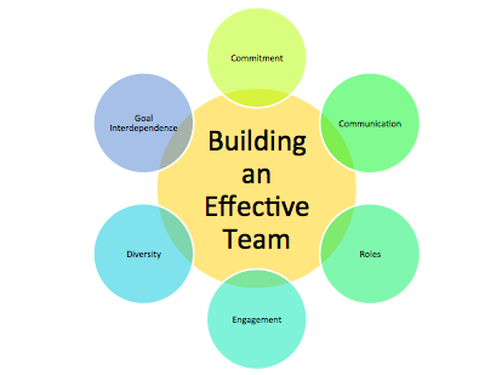
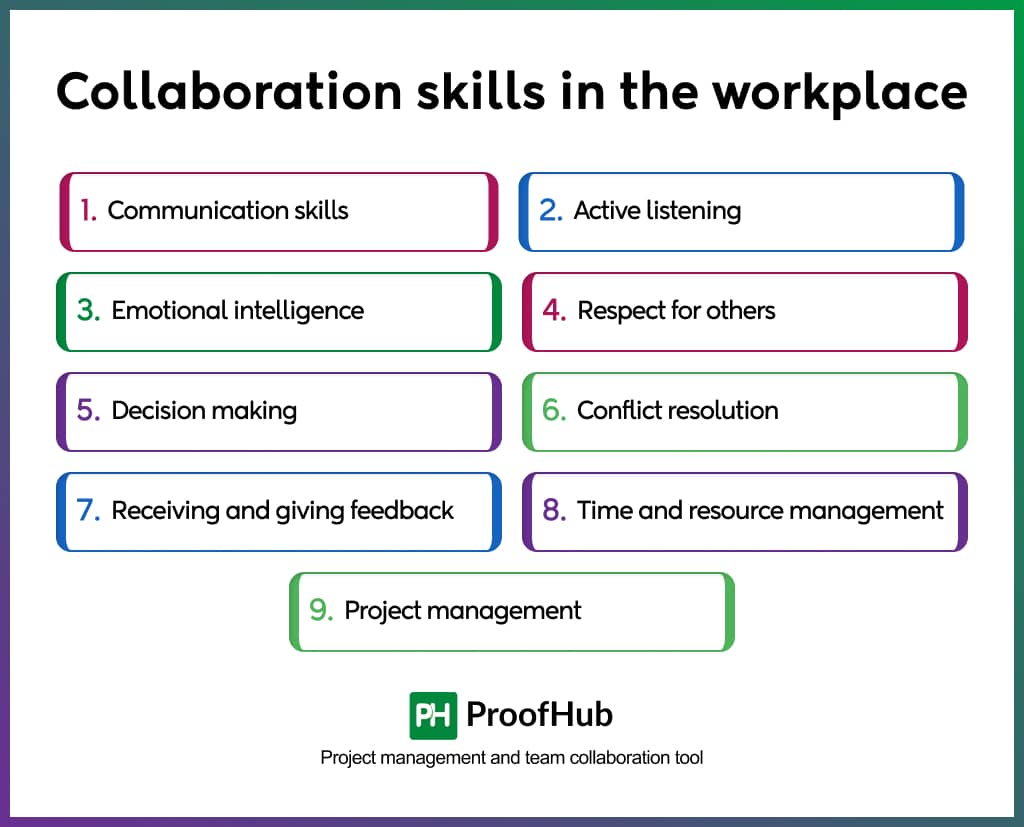
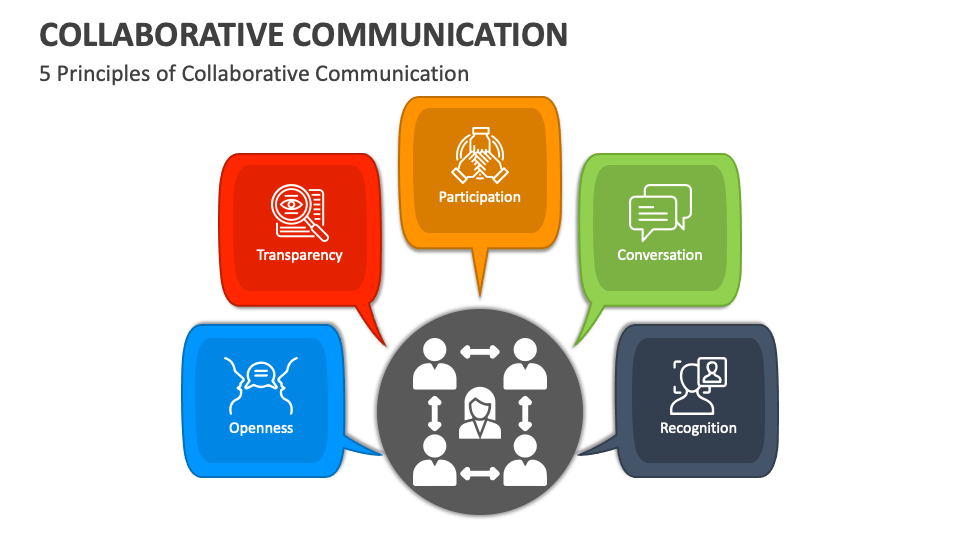
Collaboration skills encompass a range of abilities, including communication, teamwork, emotional intelligence, openness, adaptability, active listening, and conflict resolution. These skills enable individuals to work effectively with others and achieve shared goals. In the workplace, collaboration skills are essential for building trust, driving innovation, and delivering results. In this context, having strong collaborations skills can help you stand out as a job seeker and demonstrate your ability to make a meaningful contribution to an organization.
Why Collaboration and Communication Skills Matter in Job Search
Collaboration and communication skills are highly valued by employers because they are critical for achieving business objectives, building relationships, and delivering results. These skills also have a direct impact on job satisfaction, productivity, and career advancement. In a job search context, showcasing strong collaboration and communication skills can help you demonstrate your potential to contribute to a team, build relationships with colleagues, and drive business outcomes.
Ways to Improve Job Search Collaboration and Communication Skills
1. Practice Active Listening
Active listening is a crucial collaboration and communication skill that involves fully engaging with others, asking questions, and clarifying expectations. To improve your active listening skills, make sure to maintain eye contact, focus on the speaker, and ask open-ended questions. Practice active listening in low-stakes interactions, such as conversations with friends or family members, to build your confidence and muscle memory.
2. Develop Emotional Intelligence
Emotional intelligence (EI) is the ability to recognize and manage your own emotions and the emotions of others. Developing EI can help you manage conflicts, build strong relationships, and communicate effectively. Practice EI by engaging in self-reflection, setting boundaries, and seeking feedback from others.
3. Cultivate Strong Communication Skills
Effective communication is a foundation of collaboration and success. Develop strong communication skills by practicing clear and concise writing, public speaking, and verbal communication. Learn to articulate your ideas, ask questions, and listen actively to others.
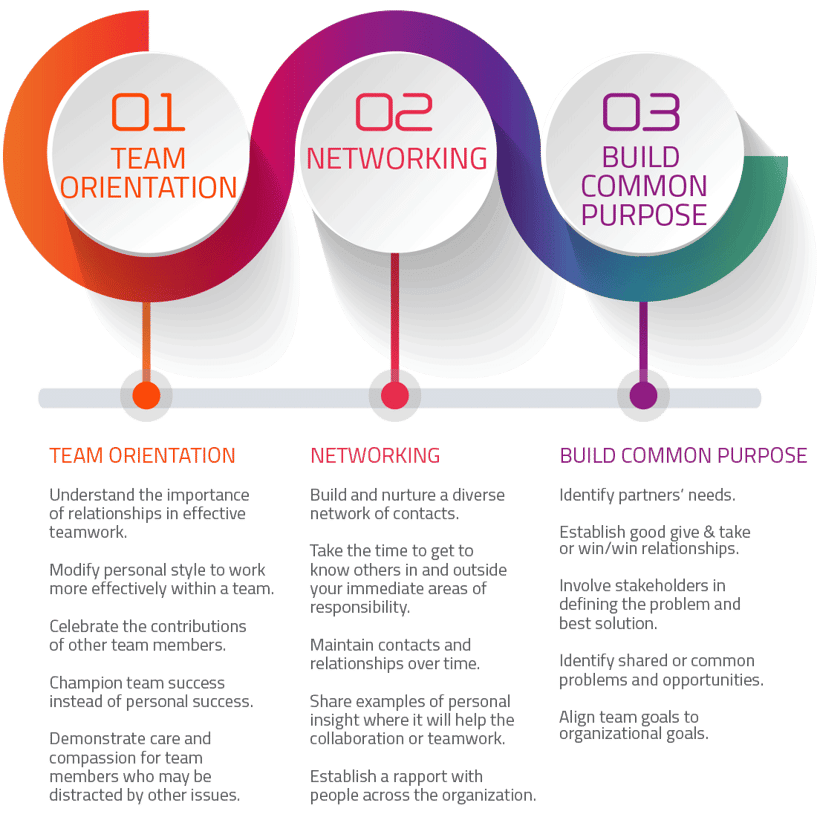
4. Build a Strong Professional Network
A strong professional network can provide you with valuable insights, advice, and opportunities. Attend industry events, join professional organizations, and connect with mentors and peers on LinkedIn to build your network.
5. Showcase Your Skills in Your Resume and Cover Letter
Make sure to highlight your collaboration and communication skills in your resume and cover letter. Use specific examples to demonstrate your ability to work effectively with others, communicate clearly, and drive business outcomes.
6. Practice Collaboration and Communication in Low-Stakes Interactions
Practice collaboration and communication skills in low-stakes interactions, such as conversations with friends or family members, to build your confidence and muscle memory. This can help you develop your skills in a safe and supportive environment.
7. Seek Feedback and Critique
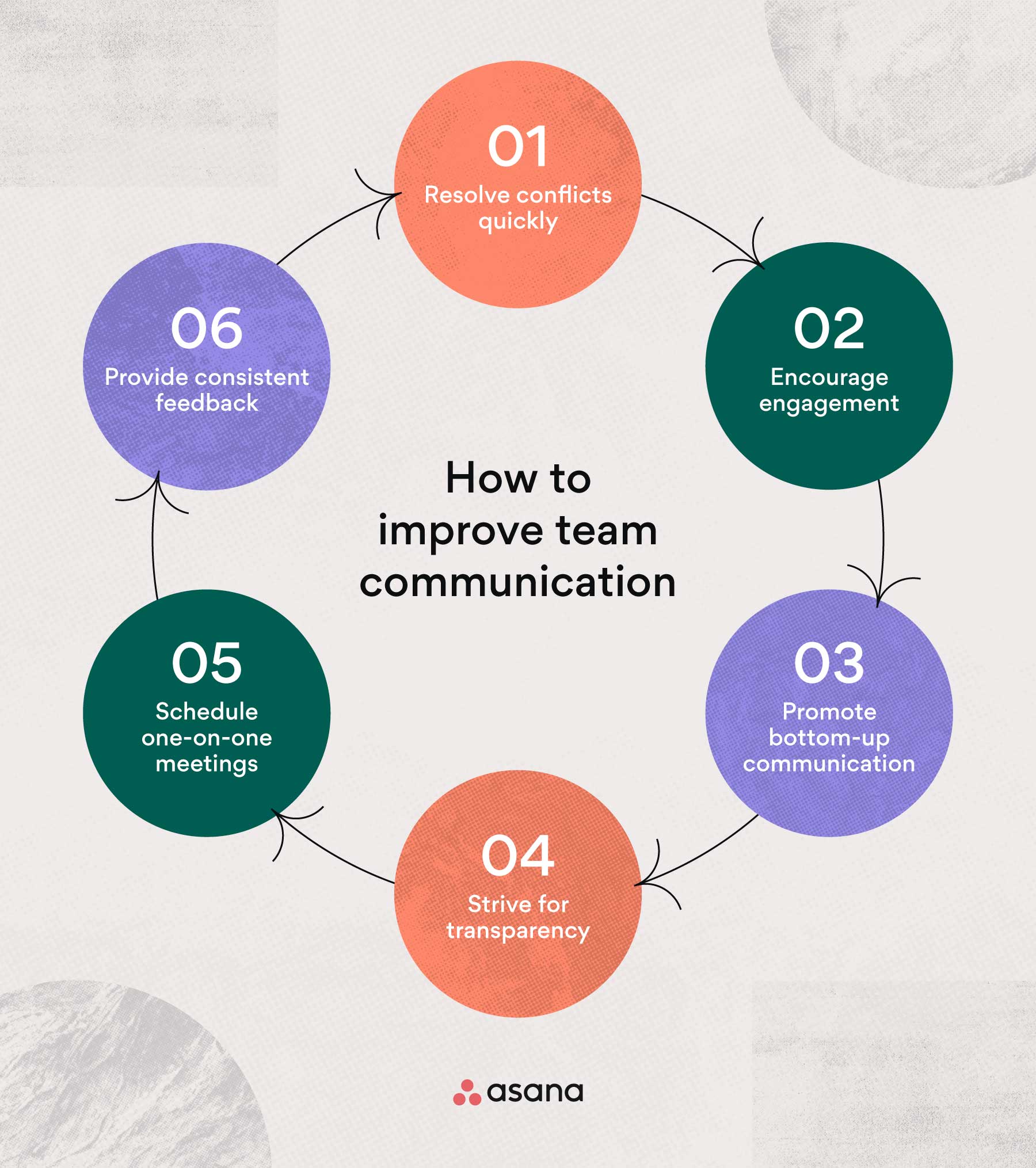
Solicit feedback and critique from others to identify areas for improvement and track your progress. Seek feedback from mentors, peers, and managers to learn how to refine your collaboration and communication skills.
8. Stay Up-To-Date with Industry Trends and Best Practices
Stay informed about the latest collaboration and communication trends, tools, and best practices. Attend workshops, webinars, and conferences to enhance your skills and stay ahead of the curve.


![Collaboration Skills [Definition + Examples for Your Resume]](https://theprocesshacker.com/wp-content/uploads/2024/09/improve-team-communication.png "Collaboration Skills [Definition + Examples for Your Resume]")


![45 Team building games to bring teams together at work [2026] • Asana](https://www.beincom.com/wp-content/uploads/2025/04/collaboration-at-work.jpg "45 Team building games to bring teams together at work [2026] • Asana")